
Vandaag of morgen in huis

Kwaliteit gegarandeerd

Welkomstaanbiedingen ontgrendelen: GRATIS bezorging | Tot 80% korting | Gratis 30 dagen JoyPlus-proefperiode
Download de app
A robot vacuum cleaner can remove crumbs, dust and pet hair every day without you having to vacuum the house yourself. However, not every model is right for every home. A high figure for suction power on the packaging, for example, says little about how well it will work on deep-pile carpet, while a mopping function does not automatically mean the robot can remove stubborn stains.
So focus on the combination of navigation, maintenance, floor area and ease of use. Read on to find out which common pitfalls are often overlooked and which product specifications to check before you buy.
Suction power is often measured in Pa. A higher figure may indicate a more powerful motor, but it doesn’t tell you everything about cleaning performance in practice. The brush, airflow, filter, flooring and navigation method also play a part.
A powerful robot vacuum cleaner for carpets and hard floors needs more than a high Pa figure. Check whether the model automatically adjusts suction on carpet, has an anti-tangle brush and offers enough battery life.
On many models, the mopping function consists of a water tank and a damp cloth. It’s mainly intended for light, everyday cleaning on suitable hard floors. A robot vacuum cleaner is no substitute for mopping by hand when dealing with dried-on stains or spilled liquids.
When choosing a robot vacuum cleaner with a mopping function, look for:
Use only clean water if the manufacturer recommends it. Don’t add cleaning products unless expressly permitted.
A robot vacuum cleaner with a self-emptying station means you don’t have to empty the dust container every day, but maintenance is still necessary. Dust bags, filters, brushes, mop pads and water tanks need to be checked regularly.
With stations that have a dirty-water tank, you’ll also need to empty and clean it. A station with hot air or hot water can reduce the amount of maintenance required, but it won’t make the device completely maintenance-free.
A robot vacuum cleaner with LiDAR navigation maps your home using laser sensors and generally follows a more systematic route than a model that moves randomly. You can often select rooms, set virtual walls and save multiple maps. This is useful in a multi-storey home.
Also check how well it avoids obstacles. Cables, toys, clothes and curtains can get caught in the brushes or wheels. Product information may also warn that mirrors, very dark floors and low objects can affect detection. If possible, clear the floor before creating the first map.
For a robot vacuum cleaner for pet owners, an anti-tangle brush and easy-to-clean brush components are important. Pet hair collects not only in the main brush, but also around the side brushes, wheels and filters.
A short daily cleaning run can help prevent hair from building up. Before you buy, check that replacement filters, mop pads and brushes are available. They’ll also affect the cost of using the device over time.
Don’t just look at the stated maximum run time. Actual battery life depends on the suction setting, mopping, carpet and the layout of your home. A model that automatically returns to its station and then picks up where it left off is more practical for larger areas.
Measure the clearance under low furniture and through doorways, too. A height of around 9.7 cm may be suitable for some homes, but always check against your own sofa, cupboard or bed. A stated noise level, such as 55 dB, is useful for comparing models, but the noise you hear may vary between suction settings.
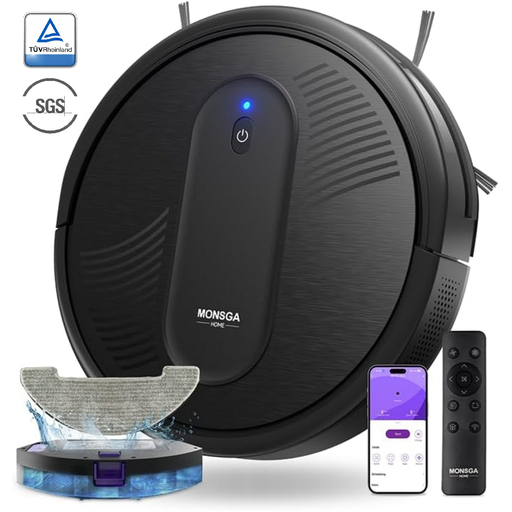
Why it suits this type of user: This model combines vacuuming with app and voice control. At 3.2 inches high, with a stated run time of up to 140 minutes, it’s suited to smaller homes with hard floors or low-pile carpet.
The product name highlights more than suction power: it also covers controls, run time and suitable floor types. Check in advance whether your household needs a self-emptying station.
According to the product information: 4000 Pa, remote control, app and voice control, and a scheduled cleaning function.
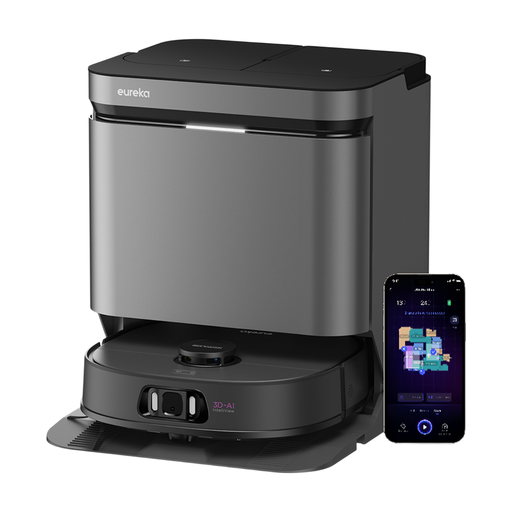
Why it suits this type of user: Suited to households looking to combine automated vacuuming and mopping with station maintenance. According to the product information, it has functions for edge cleaning, anti-tangle performance and hot-water cleaning.
The stated functions focus on more than Pa: they also address hair, edges and maintenance. Before you buy, check that hot-water cleaning and the required consumables suit your needs.
According to EUREKA’s own product information: 16,200 Pa, anti-tangle technology, liquid detection and a station with 75°C hot-water cleaning.
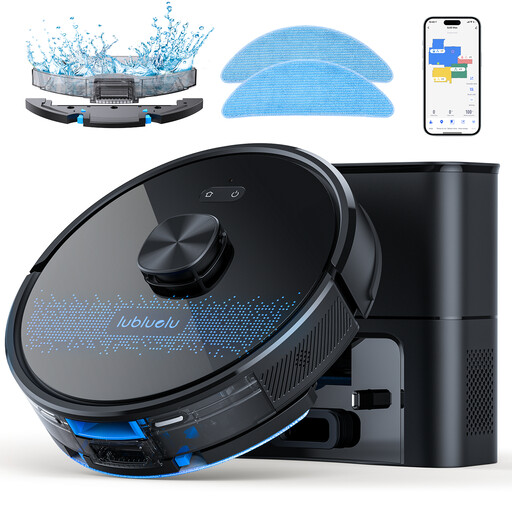
Why it suits this type of user: A practical choice for households with pets, carpets and hard floors that want to empty the dust container less often.
The combination of LiDAR navigation, an anti-tangle brush and automatic emptying helps prevent some common maintenance issues. The station and filters still need regular cleaning.
According to the product description: 4000 Pa, automatic dust emptying, adjustable water flow, LiDAR 9.0 and control via the app, Alexa and Google Assistant.
A window-cleaning robot is a different type of automatic cleaner. It’s designed for smooth glass, mirrors and other suitable vertical surfaces, not floors. When used at height, a safety cord and mains power are required, according to the product information. On some models, the built-in battery is only a back-up in case of a power cut.
Don’t use a window-cleaning robot on cracked, rough or poorly secured surfaces. Stay nearby while it’s cleaning and follow the safety instructions. If you’re looking for a robot specifically for windows, compare models such as the PuRuiKai Window Cleaner Robot or ECOVACS Mini 2.
We’ve put together a complete, up-to-date list of products that meet these strict selection criteria and the applicable European safety requirements.
You’ll usually need to remove the protective film, fit the brushes, connect the station and charge the battery first. Then let the robot create a complete map, with interior doors open and loose cables or small objects cleared away. Once that’s done, you can set up rooms, schedules and no-go zones.
Its lifespan depends on how often you use it, how well you maintain it and whether replacement parts are available. Clean the filters and brushes as instructed in the manual, remove hair from the wheels and let the mop pads dry after use. The battery is a wear part, so check how servicing and replacement are handled before you buy.
As well as the purchase price, you may need to pay for electricity, filters, brushes, mop pads, dust bags and cleaning solution, where permitted. A bagless station can save you money on dust bags, while an all-in-one station may require more parts and water management. So compare more than just the price of the device: take maintenance costs into account too.
