
Vandaag of morgen in huis

Kwaliteit gegarandeerd

Welkomstaanbiedingen ontgrendelen: GRATIS bezorging | Tot 80% korting | Gratis 30 dagen JoyPlus-proefperiode
Download de app
A robot vacuum cleaner can remove dust, crumbs and hair every day without you having to vacuum the house yourself. However, a high price or a large number on the packaging does not guarantee that a model will suit your home. The layout of your house, the type of flooring and the amount of maintenance required all play an important role in keeping your purchase practical.
Suction power is often expressed in Pa, but this figure does not tell you everything. A powerful robot vacuum cleaner may still be less practical if the main brush quickly collects hair, the robot does not clean well along skirting boards or the mop is unsuitable for your carpet.
So also consider:
Specifications such as 8,000, 10,000 or 20,000 Pa come from the manufacturer’s product information. Treat them as one point of comparison, not as a complete prediction of the cleaning results.
A robot vacuum cleaner with a self-emptying station can empty its dust container automatically. Some stations also wash and dry the mop. This reduces the daily workload, but filters, brushes, mop cloths, water tanks and sensors still require maintenance.
Before buying, check:
A self-cleaning robot vacuum cleaner still needs to be checked regularly. Product pages may, for example, state that the device can operate for a certain number of days without being emptied; this depends on the floor area, amount of dirt and number of residents.
A robot vacuum cleaner with LiDAR navigation generally creates a map using laser data and can organise rooms systematically. This is useful in homes with multiple rooms, but loose cables, clothing, toys and low thresholds can still cause problems.
Prepare properly for the first cleaning run:
For a robot vacuum cleaner for carpets and hard floors, automatic carpet detection and a mop-lift function are important features. A mop that does not lift can make a carpet damp. Some product descriptions mention a lift of, for example, 10 millimetres, but always check that this is suitable for the thickness of your carpet.
A robot vacuum cleaner with a mopping function is particularly useful for tiled, PVC, laminate and other hard floors. Only use the specified water and follow the instructions regarding cleaning products. A mopping module is designed for light damp cleaning, not for vacuuming up puddles.
LiDAR, obstacle detection and map management through an app can help the robot clean efficiently. Also check:
A quiet robot vacuum cleaner is not automatically quiet in every mode. The noise level can vary depending on the suction setting and floor surface. Check the stated decibel level and consider using a lower setting while working from home or sleeping.
A robot vacuum cleaner with a self-emptying station is appealing to busy households and pet owners. Pay attention to the difference between automatic emptying, automatic mop washing, hot-air drying and complete maintenance. These are separate functions.
For homes with pets, an anti-tangle brush and an easy-to-clean filter are often more important than simply having a higher Pa figure. Schedule regular cleaning runs and check the brush for hair.
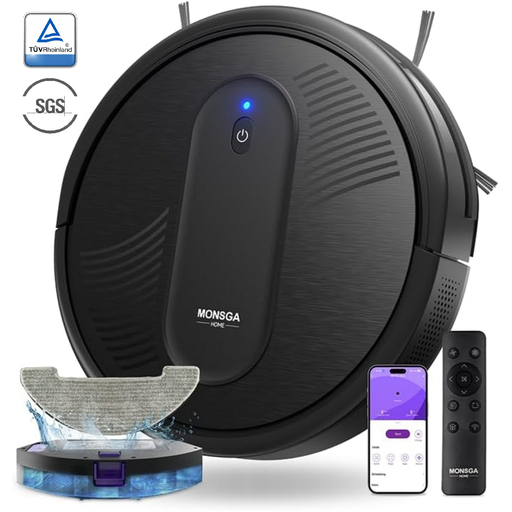
Why it suits this profile: This model is designed for basic use on hard floors and low-pile carpets, with control via remote control, app and voice assistant.
The stated specifications include a height of 3.2 inches and 140 minutes of operating time. However, check the thresholds and low furniture in your home beforehand.
According to the product description: 4,000 Pa suction power, app and voice control, and support for hard floors and low-pile carpets.
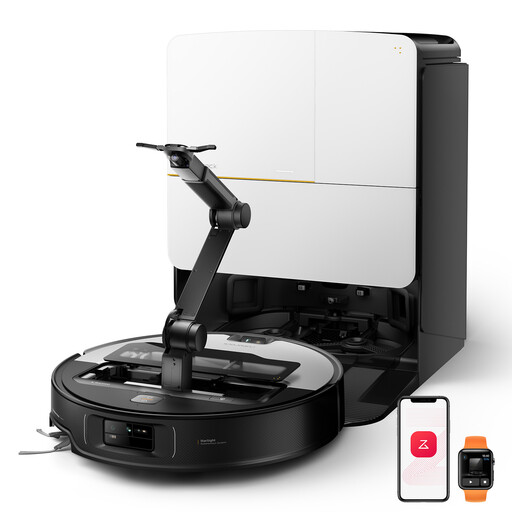
Why it suits this profile: A model for households looking for an extensive combination of vacuuming, mopping and smart features.
The product description states a height of 7.98 cm. Measure low cupboards, as smart navigation cannot compensate for a passage that is too low.
According to the product description: mopping function, stated suction power of 22,000 Pa and a chassis that can adapt to different heights.
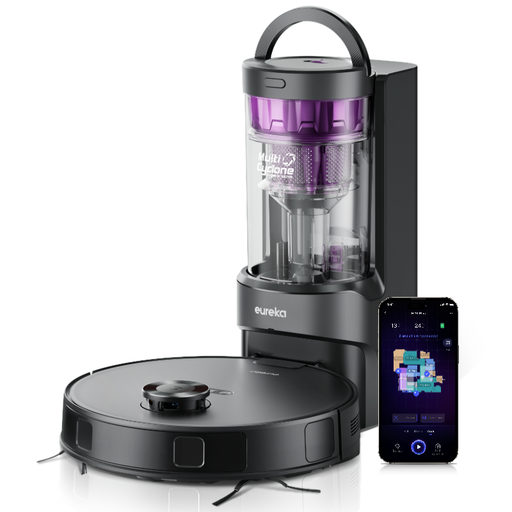
Why it suits this profile: An interesting option for households with pets, carpets and hard floors that want to empty the dust container less frequently.
The description mentions an anti-wind system, LiDAR and a 10-millimetre mop lift. The brush and filter still need to be checked regularly.
According to the product information: 8,000 Pa, a 2-litre dust container, 180 minutes of operating time, and app and voice control.
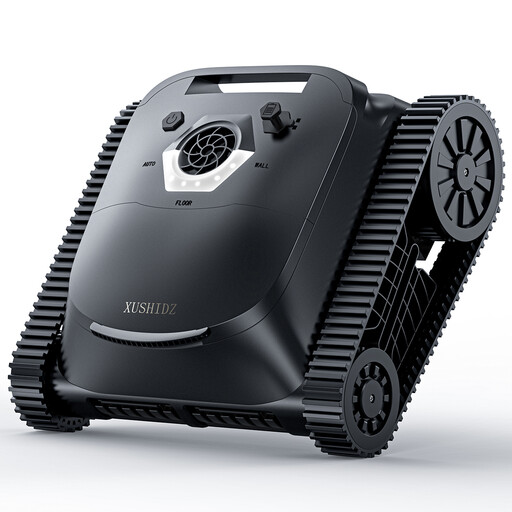
Why it suits this profile: For pool owners who want to automate pool maintenance alongside using a robot vacuum cleaner.
The specifications mention four cleaning modes and automatic parking. Before use, check the maximum depth of 3 metres and the water temperature.
According to the product description: up to 180 minutes of operating time, floor and wall cleaning, and a 3.5-litre filter basket.
We have put together a complete, up-to-date list of products that fully meet these strict selection criteria and the applicable European safety regulations.
Not every robot is designed for floors. A window-cleaning robot is suitable for smooth glass or other permitted smooth surfaces, but it must remain connected to the mains during use and be secured with the safety cable. Do not use it on damaged or rough glass.
A robot lawn mower operates outdoors and requires attention to boundary settings, gradient, charging station, and the presence of children and pets. A pool-cleaning robot may only be used in water and must be cleaned and charged according to the manual afterwards.
Position the charging station with sufficient clear space, fully charge the robot and let it create a complete map of your home. Remove cables and small objects. Then set up rooms, cleaning schedules and no-go zones in the app.
Its lifespan depends on usage, maintenance, battery wear and the availability of replacement parts. Clean the filters and brushes according to the manual, empty the tanks on time and replace worn parts when necessary. A fixed lifespan cannot be reliably guaranteed in advance.
In addition to electricity consumption, you should account for filters, brushes, mop cloths and, if applicable, dust bags. A model with a bagless station can reduce recurring costs for dust bags, while a station with automatic mop cleaning may have more components and require more maintenance. Therefore, check the prices and availability of accessories before buying.
