
Vandaag of morgen in huis

Kwaliteit gegarandeerd

Welkomstaanbiedingen ontgrendelen: GRATIS bezorging | Tot 80% korting | Gratis 30 dagen JoyPlus-proefperiode
Download de app
A robot vacuum cleaner can pick up everyday crumbs, dust and hair without you having to vacuum each time. However, models vary widely in their navigation, maintenance requirements and performance on carpets. A high suction power figure on the packaging also doesn’t automatically mean a machine is right for your home.
So, look out for these three common pitfalls:
For hard floors such as PVC, tiles, laminate and parquet, a good main brush is often just as important as the Pa figure. If you’re looking for a robot vacuum cleaner for hard floors and carpets, check whether the model has multiple suction settings and carpet detection.
For households with cats or dogs, a wide brush, an anti-tangle system and an easy-to-access dust container are practical features. Information about anti-tangle technology comes from the manufacturer, so treat claims such as “almost no tangles” as product specifications, not a guaranteed result in every home.
A robot vacuum cleaner with LiDAR navigation usually maps rooms systematically using laser pulses. This differs from models with random navigation, which may follow the same route more often or miss parts of a room.
Also look out for:
A smart robot vacuum cleaner with an app can manage cleaning schedules, rooms and suction settings. Check whether the model only works with 2.4GHz Wi-Fi and whether you need an account to access all its functions.
A robot vacuum cleaner with a mopping function is particularly useful for light everyday dirt on hard floors. Dried-on stains may still need to be cleaned by hand. A mop lift is important if you have carpets: according to the product specifications, the mop can lift automatically when carpet is detected.
A robot vacuum cleaner with an emptying station means you’ll need to empty the dust container less often. Don’t just check the capacity of the bag or bin; also look at the cost and availability of replacement parts. A bagless station avoids the ongoing cost of dust bags, while a traditional station may be more compact or easier to maintain.
The following selection is based on the stated product specifications, features and intended use. Before buying, always check the current product page, included accessories and compatibility with your home.
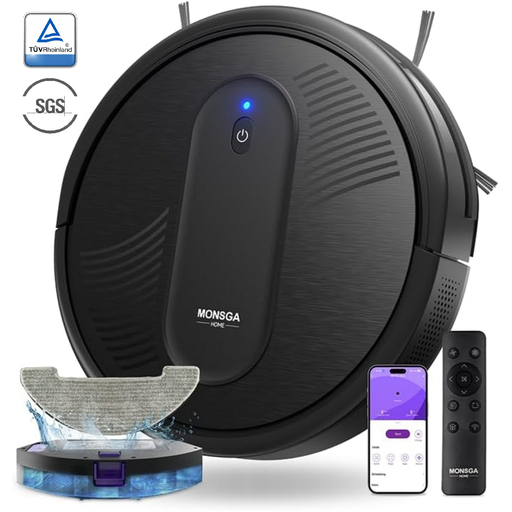
Why it suits this type of user: This model offers basic automation, with app, remote control and voice control. Its height of 3.2 inches may be useful for cleaning under some furniture.
The product specifications list scheduled cleaning, a 140-minute runtime and support for hard floors, low-pile carpet and pet hair. No automatic emptying station is listed, so bear in mind that you’ll need to empty it by hand.
4,000 Pa according to the product listing, a 140-minute runtime, and control via app, remote control and voice assistant.
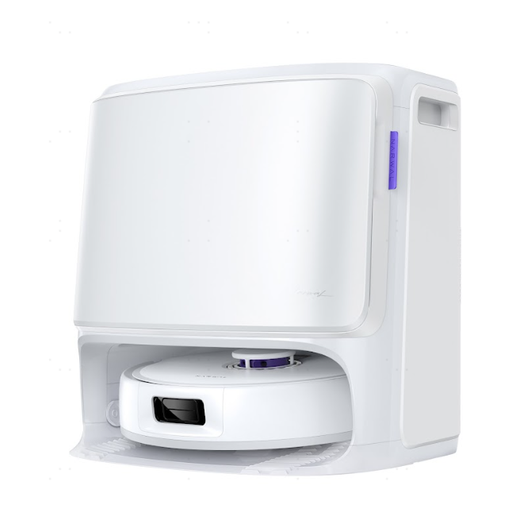
Why it suits this type of user: This model combines a high stated suction power with a station that, according to the product information, can wash, dry and collect dust.
The combination of LiDAR, obstacle detection, a mop lift and a dual anti-tangle brush addresses several practical maintenance issues. Check the station’s dimensions and the cost of dust bags before buying.
11,000 Pa, LDS LiDAR, a stated runtime of 220 minutes, a 2.5-litre dust bag, and automatic mop cleaning and drying according to the product description.
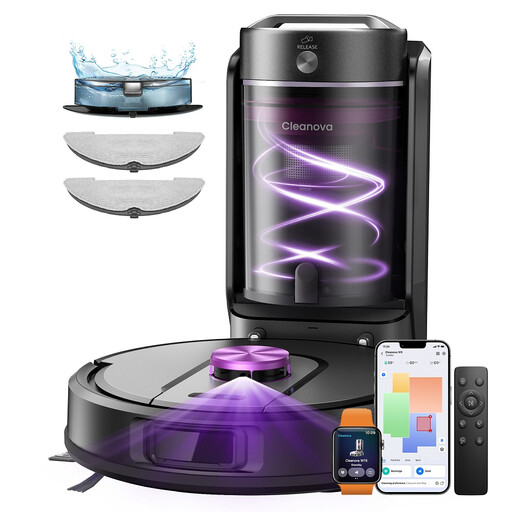
Why it suits this type of user: This model is designed for homes with hard floors and carpets, where users want multiple maps, zone management and a large bagless emptying station.
The product specifications list LiDAR navigation, carpet detection, three suction settings and a bagless station. The manufacturer warns that cables, moisture and loose objects should be removed before use.
10,000 Pa, a 4-litre bagless station, up to five maps, a stated runtime of 180 minutes, and control via app, voice assistant and remote control.
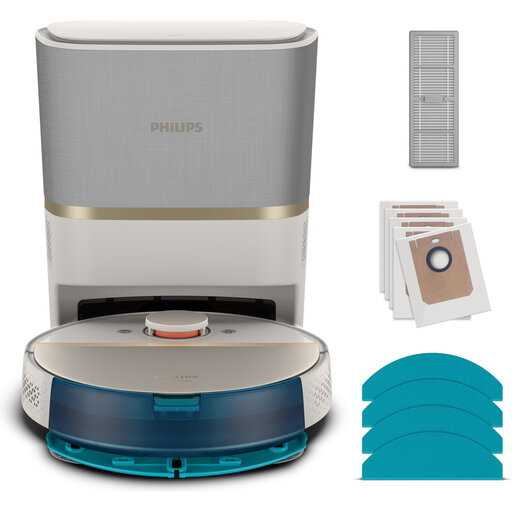
Why it suits this type of user: The combination of vacuuming, mopping, automatic emptying and app control is well suited to households looking to reduce the amount of daily upkeep.
According to the product information, the model has an automatic emptying station, scheduled cleaning and laser-based navigation. The stated maximum threshold height is 0.20 cm, so measure your own thresholds beforehand.
5,000 Pa, a stated runtime of 180 minutes, an automatic emptying station, and support for Alexa, Amazon and Google Assistant.
We’ve put together a complete, up-to-date list of products that meet these strict selection criteria and the applicable European safety regulations.
Its lifespan depends on how often it’s used, how well it’s maintained, battery wear and the availability of parts. Clean the filters and brushes according to the manual, and don’t let hair build up around the main brush. With daily use, consumables will need replacing sooner.
A robot vacuum cleaner for pet owners can help with everyday hair and crumbs. Ideally, choose a model with an anti-tangle brush, multiple suction settings and a dust container or station that’s large enough for your home. No model can prevent hair from getting into the brushes or filters altogether.
In addition to the purchase price, you may need to pay for electricity, filters, brushes, mop pads, cleaning solution and dust bags. A bagless emptying station can avoid the ongoing cost of dust bags, while a station with a dust bag usually means less direct contact with dirt. So compare the total maintenance costs, not just the price of the machine.
