
Vandaag of morgen in huis

Kwaliteit gegarandeerd

Welkomstaanbiedingen ontgrendelen: GRATIS bezorging | Tot 80% korting | Gratis 30 dagen JoyPlus-proefperiode
Download de app
A robot vacuum cleaner can clear away dust, crumbs and hair every day, without you having to push a stick vacuum around the house. However, models vary considerably in navigation, maintenance and performance on carpets. A high suction power figure on the packaging doesn’t automatically mean a machine is right for your home.
For households in the UK, three things matter most: the layout of your floors, how much maintenance you’re willing to do and how the robot handles obstacles.
A powerful robot vacuum cleaner is often advertised with a high pascal figure, such as 8,000, 10,000 or more. This tells you something about maximum suction pressure, but not everything about the brush, airflow, filter or performance on different floor types. In practice, a model with a lower stated figure may be perfectly adequate for a flat with hard floors.
So, look out for:
A robot vacuum cleaner with a mopping function usually uses a damp cloth or rotating mop pads. This is handy for fine dust and light stains, but it won’t always replace mopping by hand to remove dried-on mess.
Check whether the model:
Don’t use a robot mop to pick up puddles or large amounts of liquid. Product information for several models warns that moisture can damage the motor or charging station.
A robot vacuum cleaner with a self-emptying station means you won’t need to empty the dust container every day. You’ll still need to maintain the filters, brushes, sensors and mop cloths. Stations with water tanks also need to be topped up with clean water and emptied of dirty water.
Also check the size of the station. In smaller homes, the clearance needed around the base can determine where you’re able to place it.
A robot vacuum cleaner with LiDAR navigation uses laser data to map rooms and obstacles. This allows it to clean in systematic routes instead of moving around at random. It’s useful in homes with several rooms or different cleaning zones.
However, LiDAR doesn’t automatically recognise every small object. Cables, socks and toys can still cause problems. Models with additional 3D, PSD or AI sensors are designed to recognise and avoid obstacles. Always check whether the app supports no-go zones and virtual walls.
When choosing a robot vacuum cleaner for pets, the brush design and maintenance are just as important as the pascal figure. Hair can wrap around the main brush or side brushes. An anti-tangle brush or comb design can help, but check exactly what the manufacturer says.
These features are useful for carpets and hard floors:
Also check the thresholds in your home. The maximum threshold height varies between models and depends on the shape of the transition.
A smart robot vacuum cleaner with an app lets you select rooms, set schedules and add no-go zones. Check beforehand whether the app requires a 2.4GHz Wi-Fi connection and whether it supports multiple floors or maps.
A stated run time of 140 to 180 minutes is a guide. The actual time depends on the suction setting, the number of obstacles and whether you use the mopping function. For larger homes, a model that automatically returns to charge and then resumes cleaning is more practical.
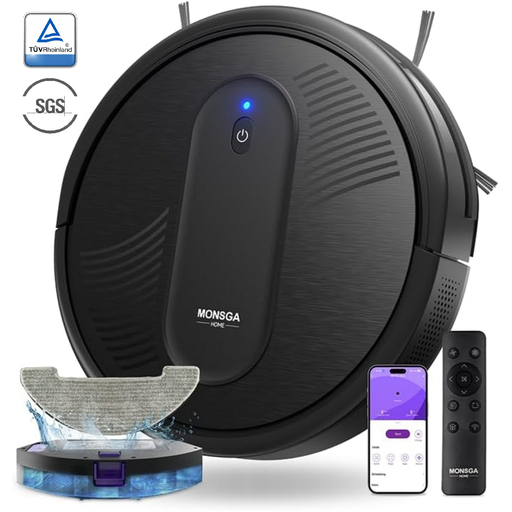
Why it suits this type of user: This model is designed for everyday cleaning on hard floors and low-pile carpets, as well as picking up pet hair. It has a stated run time of up to 140 minutes and can be controlled by remote, app or voice.
The specifications clearly state which floor types it’s suitable for and that it’s designed for basic, low-profile cleaning. That means you don’t automatically pay for features you don’t need.
Stated suction power of 4,000Pa, a height of 3.2 inches, and control via app, remote or voice.
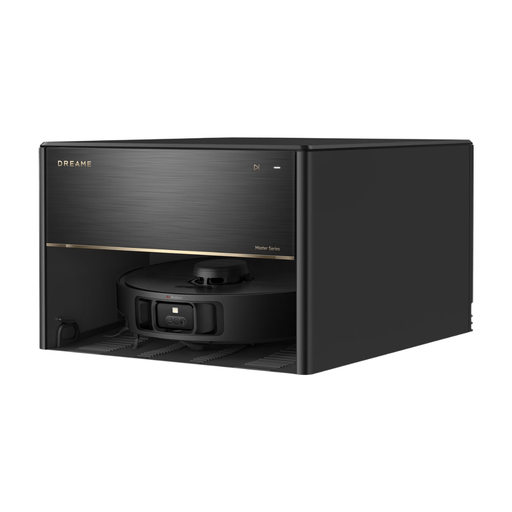
Why it suits this type of user: The X40 Master is designed for people who want a high level of automation. The product information lists automatic water supply and drainage, an 8-in-1 base station and app control.
The station automates more maintenance tasks than a basic charging station. Do check beforehand that your home has a suitable water connection and enough space for it.
Stated maximum suction power of 12,000Pa, laser navigation, a 6,400mAh battery and automatic water control, according to the product description.
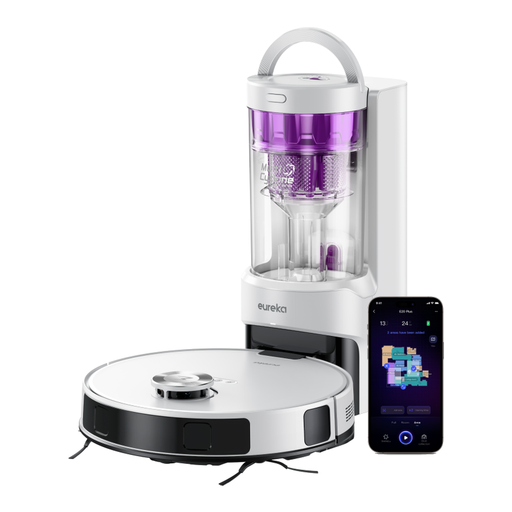
Why it suits this type of user: This model is aimed at homes with pets, carpets and hard floors. According to the product description, it has a self-emptying dust container, LiDAR navigation, 3D obstacle avoidance and a mop lift.
The stated 10mm mop lift helps prevent the damp mop from running over carpets. The brush design is intended to limit hair build-up, according to the manufacturer.
Stated suction power of 8,000Pa, 180 minutes of run time, a 2-litre dust container, and app and voice control, according to the product information.
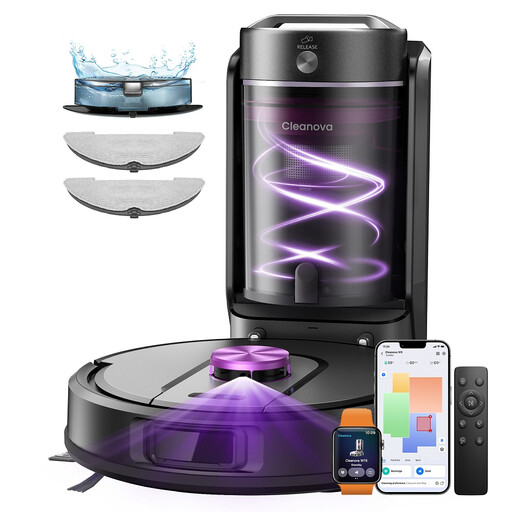
Why it suits this type of user: According to the product description, the W15 supports multiple maps, adjustable water and suction settings, and a bagless self-emptying station. This is useful if you have several rooms or floors.
The water and suction settings, along with no-go zones, let you treat hard floors and carpets differently. The bagless base means you won’t need to buy dust bags, but it does need to be emptied regularly.
Stated suction power of 10,000Pa, LiDAR navigation, support for up to five maps, 180 minutes of run time and a 4-litre dust container in the station.
We’ve put together a complete, up-to-date list of products that meet these strict selection criteria and current European safety regulations.
Its lifespan depends on how often you use it, how well you maintain it and whether brushes, filters, batteries and mop cloths are available. Daily use in a home with pets calls for more maintenance than occasional cleaning. Before you buy, check that replacement parts and servicing information are available.
It can be, but check for carpet detection, a mop lift and the maximum threshold height. A robot vacuum cleaner for carpets and hard floors should be able to adjust its suction power and stop a wet mop from running over the carpet.
As well as the purchase price, you’ll need to factor in electricity, filters, brushes, mop cloths and, where applicable, dust bags. A bagless station means no dust bags to buy, while a station with a dust bag is often cleaner and easier to empty. So compare not only the price of the machine, but also the longer-term maintenance costs.
