
Vandaag of morgen in huis

Kwaliteit gegarandeerd

Welkomstaanbiedingen ontgrendelen: GRATIS bezorging | Tot 80% korting | Gratis 30 dagen JoyPlus-proefperiode
Download de app
A robot vacuum cleaner can pick up dust, crumbs and pet hair every day, so you don’t have to vacuum yourself as often. However, there are big differences between models. A high Pa rating doesn’t tell you everything about cleaning performance, and a docking station with lots of features may need extra maintenance.
Keep an eye out for these three common pitfalls:
A robot vacuum cleaner with high suction power can be useful for carpets, cat litter and crumbs. The stated figures in this range run from 4,000 Pa to 12,000 Pa. Use Pa mainly to compare models within the same product category; it’s not a universal guarantee of a cleaner result.
For homes with pets, a rubber main brush, an anti-tangle brush and easy access to the brush are important. Also check how often you’ll need to empty the dust container. A self-emptying station can reduce this maintenance, but dust bags or a dust container still need to be replaced or emptied.
A robot vacuum cleaner with LiDAR navigation uses lasers to map your home and generally follows a more systematic route than a model without mapping. You can often set rooms, cleaning schedules and no-go zones in the app.
However, LiDAR won’t prevent every problem. Loose cables, toys, clothes and low-lying objects can still get in the way. Some models combine LiDAR with infrared, structured light or other sensors. Before the first mapping and cleaning run, clear as much as possible from the floor.
When choosing a robot vacuum cleaner with a mopping function, check the water tank capacity, adjustable water flow and how the mop lifts over carpets. An automatic mop lift helps limit moisture on carpets, but always check that its maximum height is suitable for your rugs.
A robot vacuum cleaner with automatic mop cleaning offers greater convenience if the station washes and dries the mop. Some advanced stations also top up the water, drain dirty water and empty the dust container automatically. On the other hand, you may need extra space, a water connection or additional maintenance. Only use cleaning products specified as suitable in the product information.
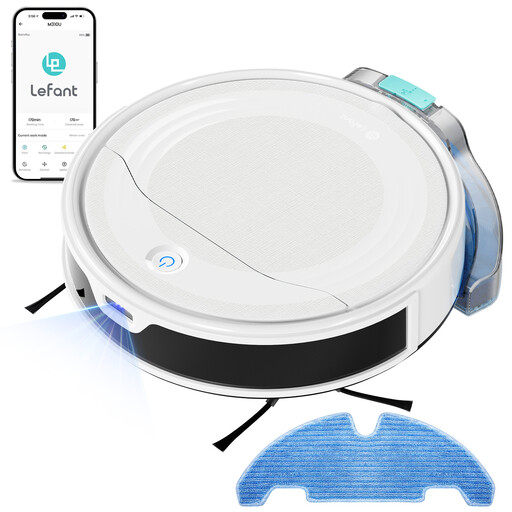
Why it suits this profile: This model combines 6,000 Pa suction power with app and Alexa control. Its mopping module has a 200 ml water tank and can be removed by hand.
The product specifications list the suction power, HEPA filter, battery life of up to 170 minutes and anti-tangle function. Bear in mind that you’ll need to remove and maintain the mop yourself after use.
Maximum suction power of 6,000 Pa, 170 minutes of battery life and 2.4 or 5GHz Wi-Fi connectivity, according to the product information.
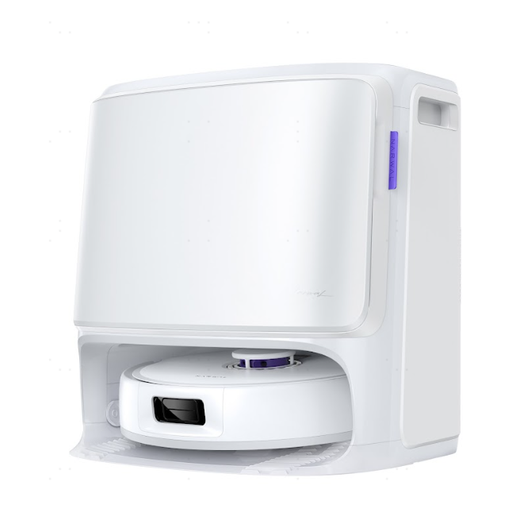
Why it suits this profile: The combination of 11,000 Pa, LiDAR navigation, dual anti-tangle brushes and a station that washes, dries and collects dust makes this a good fit for homes with hard floors, carpets and pets.
According to the product description, the mop can lift automatically when it detects carpet. The station uses a 2.5-litre dust bag, but the water, cleaning product and accessories still need regular attention.
11,000 Pa, 220 minutes of battery life, LiDAR and an integrated wash-dry-collect station, according to the stated product specifications.
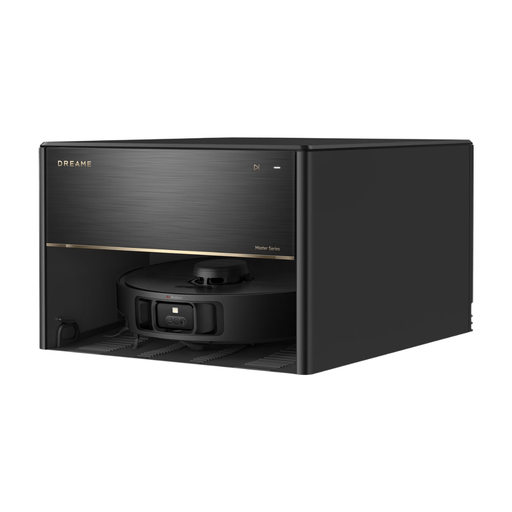
Why it suits this profile: This model is designed for households that want to minimise manual work with water and dust. According to the product information, the base automatically supplies and drains water.
The station is 28 cm high and needs a suitable position with access to water and drainage. Check the installation requirements and available space beforehand, rather than focusing on suction power alone.
12,000 Pa, a 6,400 mAh battery, automatic water control and an 8-in-1 base station, according to the product description.
We’ve put together a complete, up-to-date list of products that meet these strict selection criteria and the applicable European safety regulations.
If you have pets, pay extra attention to hair around the side brush, main brush and wheels. Empty the dust container in good time and check the filters as instructed in the manual. Even a self-emptying station needs maintenance: dust bags, water tanks, mop pads and sensors all need regular care.
Clear cables, toys and breakable items from the floor. Place the station on a level surface and make sure doors are open during the first mapping scan. For carpets and hard floors, it’s a good idea to use different suction and mopping settings in each room.
Yes, many models are designed for both carpets and hard floors. Look for automatic carpet detection, a mop lift and a brush that can loosen hair. If you have a deep-pile carpet, also check the maximum obstacle height and reviews from people with the same type of flooring.
Less than a model where you have to empty the dust container after every cleaning run, but some maintenance is still needed. You’ll need to check the dust bag or dust container, filters, brushes, mop pads and water tanks, among other things. A station that washes and dries the mop reduces the amount of manual work, but also makes the system larger and more technically complex.
As well as the purchase price, replacement dust bags, filters, brushes, mop pads and cleaning products can add to the cost. A model with a bagless station doesn’t need dust bags, while a station with automatic water drainage may require installation costs or a suitable connection point. So check which accessories are included and how much consumables cost before you order.
