
Vandaag of morgen in huis

Kwaliteit gegarandeerd

Welkomstaanbiedingen ontgrendelen: GRATIS bezorging | Tot 80% korting | Gratis 30 dagen JoyPlus-proefperiode
Download de app
A robot vacuum cleaner can save you time, but not every model is suited to every home. A flat with hard floors calls for something different from a house with low-pile carpet, pets and several rooms. Marketing terms such as “AI”, “powerful suction” and “fully automatic” sound appealing, but on their own they tell you little about what a robot will be like to use every day.
The main pitfalls to watch out for are:
Suction power is usually stated in Pa. This is a technical specification provided by the manufacturer, but it doesn’t give you the full picture of cleaning performance. Also look for:
A robot vacuum for pet owners will particularly benefit from a brush that’s less likely to trap hair. According to the product listing, for example, the Narwal Freo X10 Pro uses a dual anti-tangle design. The manufacturer also states a suction power of 11,000 Pa; always check whether this figure applies to the mode you want to use.
A robot vacuum with LiDAR navigation uses lasers to map your home and can generally plan systematic routes. This is useful if you have several rooms or a larger floor area. Object-recognition sensors can help the robot avoid cables, toys and shoes, but no robot can reliably recognise every obstacle.
Check:
A smart robot vacuum with app control lets you set cleaning times, zones and suction levels. Check in advance whether the model only supports 2.4GHz Wi-Fi. According to the product information, this applies to the eufy Omni C20 and Eureka E20 Plus, for example.
A robot vacuum with a mopping function is best suited to hard floors such as vinyl, tiles, laminate and sealed wood. An automatic mop lift is useful if you have carpet. The Eureka E20 Plus lists a 10 mm mop lift; according to its product specifications, the Midea M9 lifts the mop when it detects carpet.
Also check:
A self-cleaning robot vacuum reduces the amount of manual work, but “self-cleaning” doesn’t mean maintenance-free. You’ll still need to empty the water tanks and check the brushes regularly.
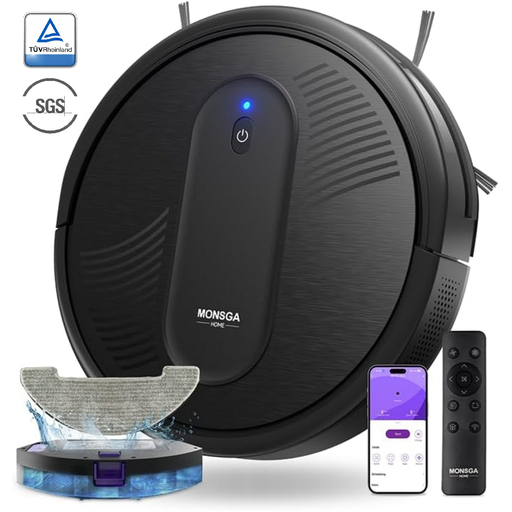
Why it suits this type of user: According to the product specifications, the MR1 is designed for hard floors, low-pile carpet and pet hair. At 3.2 inches tall, with remote, app and voice assistant controls, it’s an easy-to-use option for everyday cleaning.
The choice is straightforward: the stated 4,000 Pa suction, up to 140 minutes of run time and scheduled cleaning make it clear what you’re getting, without promising an extensive all-in-one station.
4,000 Pa according to the product listing; up to 140 minutes of run time; app, remote and voice control.
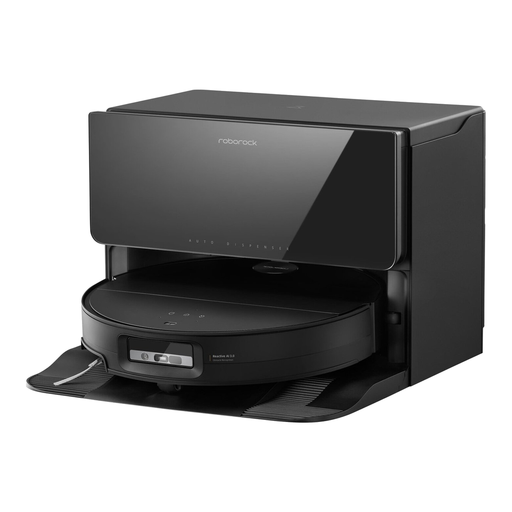
Why it suits this type of user: According to the product information, this model is aimed at households with a mix of floor types and a high demand for automation. Its combination of LiDAR, obstacle recognition, mopping and station functions makes it a good fit for larger homes.
The product listing mentions an automatic mop lift for carpet, obstacle recognition and a 2.5-litre dust bag. Make sure you check the clearance needed and the station’s maintenance requirements.
22,000 Pa and up to 220 minutes according to the product specifications; LiDAR and RGB camera; automatic emptying and mop maintenance according to the listed features.
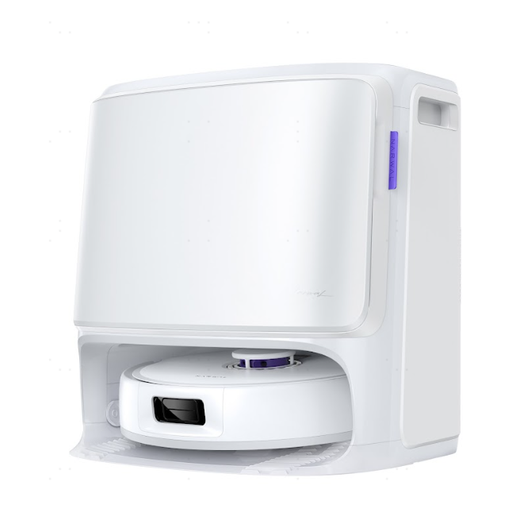
Why it suits this type of user: For pet owners and households dealing with everyday dirt, the listed anti-tangle brushes, wide mop and LiDAR navigation are useful features. The station functions are designed to reduce how often you need to empty, wash and dry things by hand.
The product listing mentions dual anti-tangle brushes and a 2.5-litre dust bag. These are handy for dealing with hair and pet food, but regular cleaning is still necessary.
11,000 Pa, up to 220 minutes and LDS LiDAR according to the product specifications; automatic washing, drying and emptying according to the product description.
We’ve put together a complete, up-to-date list of products that meet these strict selection criteria and the applicable European safety requirements.
Yes, many models are suitable for hard floors and low-pile carpet. Check the stated threshold height, the maximum carpet pile height and whether the mop lifts automatically. A robot with a mopping function but no mop lift could dampen your carpet.
Regularly clear hair and dust from the brushes and sensors. Empty the dirty water tank when needed, and replace dust bags, filters and mop pads as instructed in the manual. With a robot vacuum that has an automatic emptying station, the capacity of the dust bag or collection bin is especially important.
On top of the purchase price, you may need to budget for electricity, dust bags, filters, brushes, mop pads and any recommended cleaning solution. A bagless station means you won’t need dust bags, while a larger station may reduce how often you need to maintain it. So check not only the features, but also the price and availability of replacement parts.
