
Vandaag of morgen in huis

Kwaliteit gegarandeerd

Welkomstaanbiedingen ontgrendelen: GRATIS bezorging | Tot 80% korting | Gratis 30 dagen JoyPlus-proefperiode
Download de app
A robot vacuum and mop can pick up dust, crumbs and hair every day, so you don’t have to keep vacuuming yourself. However, not every model is right for every home. A smooth PVC floor calls for different features from a home with deep-pile carpet, pets or lots of thresholds.
Most disappointing purchases come down to three common misconceptions:
A robot vacuum with LiDAR navigation uses lasers to map rooms and obstacles. This usually allows it to follow a more systematic route than models that simply move around at random. Check whether the robot can also recognise small items such as cables, socks and toys. According to product information from various manufacturers, small objects may still be missed.
Also check the robot’s height. A low-profile model can get under sofas and cupboards more easily, but may involve compromises in the dustbin, sensors or mopping mechanism. Measure the clearance under your furniture before ordering.
A robot vacuum for carpet and hard floors needs to adapt to different surfaces. Useful features include:
Pa is a technical unit of suction pressure. Only compare this figure across products if they use the same measurement method. A powerful robot vacuum rated at 15,000 Pa might look impressive on paper, but the brush design, airflow and software also affect its performance.
A robot vacuum with an auto-empty station can automatically transfer dust into a dust bag or container. A robot vacuum with a self-cleaning station can also wash the mop and sometimes dry it. Always check:
A station that cleans the mop automatically means less manual work, but you’ll still need to empty, refill and occasionally clean the tanks. Place the station on a level surface against a wall, leaving the recommended clearance around it.
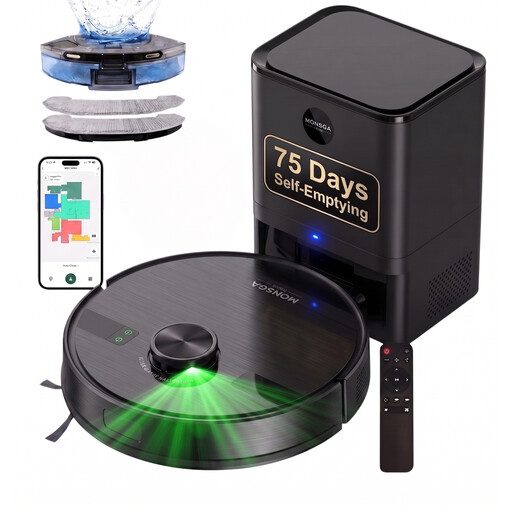
Why it suits this household: LiDAR navigation, app, remote and voice control offer an easy-to-use starting point for homes with hard floors and carpet.
The product specifications list a 4-litre self-emptying station and a runtime of up to 180 minutes. Check that the station’s dimensions and maintenance requirements suit your home before buying.
9,000 Pa according to the product specifications, LiDAR mapping, app control and support for hard floors and carpet.
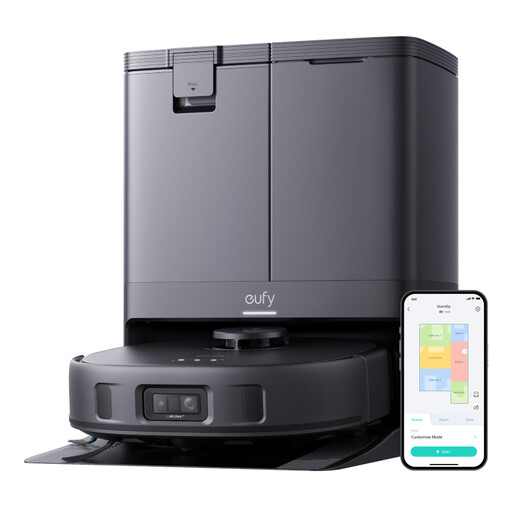
Why it suits this household: According to the product information, this model is designed for households looking to combine vacuuming, mopping, automatic emptying and Wi-Fi control in one appliance.
According to the product description, the all-in-one station empties the dustbin, charges the robot, and washes and dries the mop pads. You’ll still need to maintain the filters and tanks by hand.
8,000 Pa according to the stated specifications, automatic mop-pad cleaning and drying, smart mapping and app control.
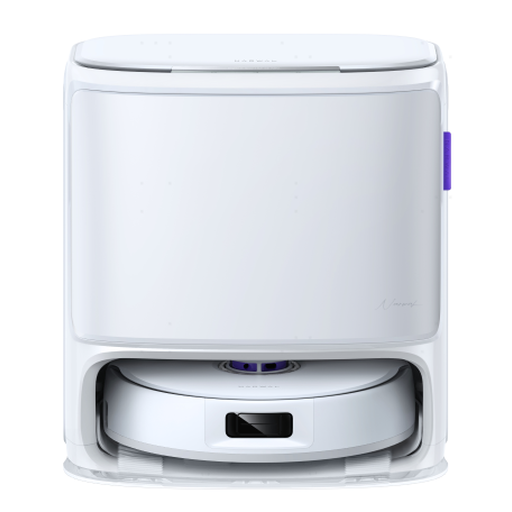
Why it suits this household: The product specifications focus on pet hair, hard floors and more intensive mopping, with a large station for clean and dirty water.
The listed anti-tangle brushes are designed to reduce hair build-up. Please note: the station weighs 11.3 kg according to the specifications and only supports 2.4GHz Wi-Fi.
15,000 Pa, an anti-tangle main brush, mop lift of up to 12 mm, and a station with 5 litres of clean water and 4.75 litres of dirty water.
We’ve put together a complete, up-to-date list of products that meet these strict selection criteria and current European safety regulations.
A little preparation will help before the first cleaning run:
Don’t use the mopping function on unsealed wooden floors or carpet unless the manufacturer expressly says it’s safe to do so. Product warnings also state that robots must not vacuum up burning objects, sharp materials or liquids.
It depends on the mop lift and carpet detection. Choose a model that lifts the mop automatically and set carpet zones in the app. A damp mop could damage carpet or spread dirt across it.
As well as the purchase price, you may need to pay for dust bags, filters, brushes and mop pads. For stations that clean with water, you’ll also need to factor in cleaning solution, water use and regularly emptying the dirty-water tank.
Its lifespan depends on how often you use it, how well it’s maintained, the battery and the availability of replacement parts. Regularly removing hair from the brush, putting filters back only once they’re dry and wiping the sensors clean can help reduce wear. Check the warranty terms and information about spare parts before buying.
