
Vandaag of morgen in huis

Kwaliteit gegarandeerd

Welkomstaanbiedingen ontgrendelen: GRATIS bezorging | Tot 80% korting | Gratis 30 dagen JoyPlus-proefperiode
Download de app
A robot vacuum that can also mop sounds like a dream for any busy household. No more vacuuming or mopping yourself. But the market is flooded with models that promise the world. Unfortunately, many of these promises lead to frustration: a robot that gets stuck, smears stains instead of cleaning them, or starts malfunctioning after just a few months.
Before you invest in a robot vacuum and mop, it's crucial to see through the marketing hype. Many buyers fall into the same traps:
smart vacuum with navigation that misses half the room gets no benefit from a powerful motor.robot vacuum and mop in one requires daily work. You have to empty the dustbin, fill the water tank, and clean and dry the dirty mop pads. If you don't, the device will start to smell and become a breeding ground for bacteria.A good purchase depends on specifications that genuinely contribute to convenience and a clean result.
To avoid a bad purchase, focus on the technology that makes the difference between a gadget and a fully-fledged home assistant.
True automation lies in the base station. A simple charging dock is outdated. A modern robot vacuum with an auto-empty station takes a lot of work off your hands. The most advanced systems go even further:
self-cleaning robot vacuum returns to the station to wash its mops, often with clean water. Some models even use an automatic mopping robot with hot water to remove grease and bacteria more effectively. Afterwards, the mops are dried with hot air to prevent mould and unpleasant odours.A robot that constantly gets stuck or bumps into furniture isn't worth the money. The navigation technology determines how efficiently and carefully the robot does its job.
robot vacuum for pet hair in a dynamic household.An effective mopping function is essential for a vacuum and mop for hard floors. Look for systems that actively clean instead of passively dragging a cloth.
Based on these criteria, we have selected a number of models that suit different needs and households.
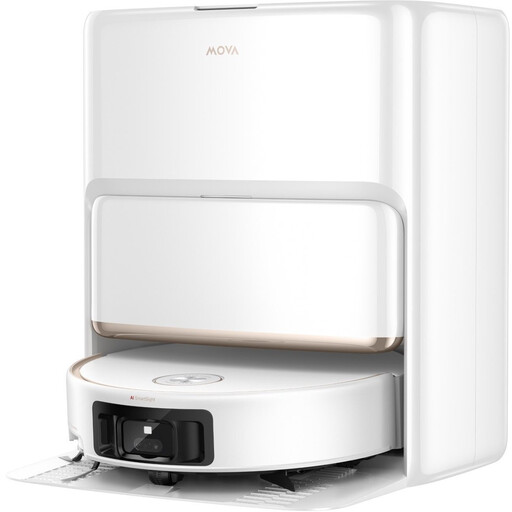
Why This Fits Their Persona: For those seeking the most advanced technology. This model combines very high suction power with unique features like an extendable roller for edges, a dual detergent system, and the ability to cross thresholds up to 8 cm.
The HydroForce mopping roller is not a passive cloth; it's an active roller that continuously cleans with fresh water. The high suction power of 28,000 Pa is combined with smart navigation and edge cleaning, ensuring the power is used effectively.
MaxiReach Edge & Corner Cleaning: A mechanically extendable roller and a swinging side brush clean corners and edges. StepMaster 2.0: Can cross thresholds up to 8 cm, according to the manufacturer.
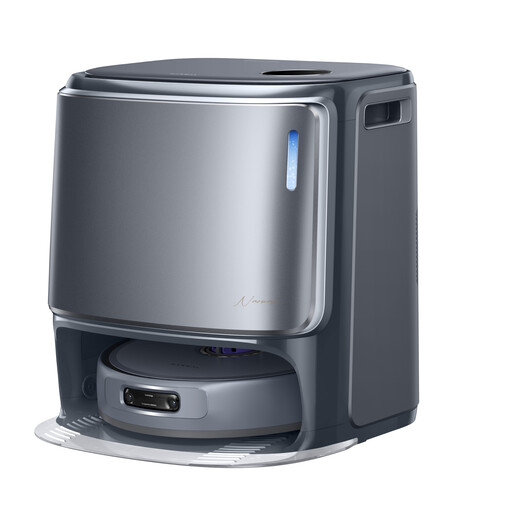
Why This Fits Their Persona: Ideal for households with pets. This model focuses on obstacle avoidance and preventing tangles. The AI cameras are designed to recognise and avoid pet "accidents," which can save a lot of trouble.
The DualFlow Anti-Tangle System and the tangle-free brush tackle the problem of tangled hair. The AI-driven obstacle avoidance is far more advanced than simple bump sensors, allowing the robot to navigate reliably through a home with toys and pets.
Advanced AI Obstacle Avoidance: According to Narwal, dual RGB cameras identify over 200 objects and avoid pet accidents. Quiet Self-Cleaning Station: Washes the mop with hot water and empties the dustbin for up to 120 days.
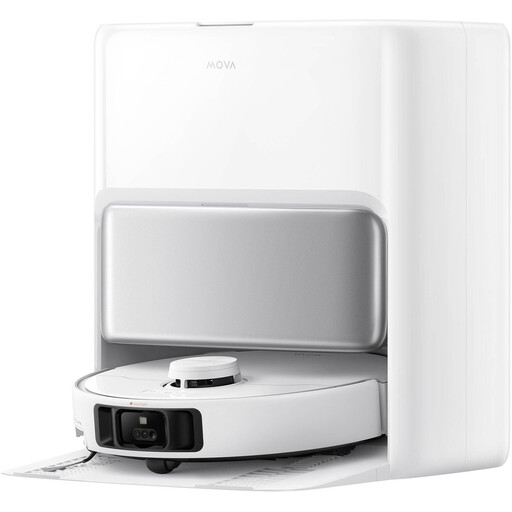
Why This Fits Their Persona: A solid all-rounder that focuses on hygiene and convenience. The combination of powerful suction and hot water mop washing makes this a practical choice for households that want a thorough, hygienic clean without the hassle.
This model tackles the maintenance pitfall head-on with a fully automated station that not only empties but also washes and refills the mop with 75°C hot water. This prevents the build-up of bacteria and odours, a common problem with simpler models.
75°C hot water mop cleaning: Ensures a more hygienic cleaning of the mop pads, according to the manufacturer. Fully automated station: Automatic cleaning, emptying, and refilling for minimal manual maintenance.
We have compiled a complete, up-to-date list of products that fully meet these strict selection criteria and Dutch safety regulations.
Although these devices are "self-cleaning," some maintenance is still required, albeit much less frequently. You'll need to periodically (usually every 1-2 months) replace the dust bag in the station. Additionally, you'll need to refill the clean water tank and empty the dirty water tank, depending on how often you mop. It's also advisable to occasionally check and clean the robot's sensors and brushes.
Yes, provided you choose a model with carpet detection and a liftable mop. These robots automatically recognise carpet, stop mopping, and lift the mop to prevent the carpet from getting wet. For high-pile carpet, the suction power can also be automatically increased. In the app, you can often set "no-go zones" to avoid delicate rugs entirely.
Not necessarily. A high Pa value is useless if the robot has a poor brush that gets tangled with hair, or if its navigation is random and misses spots. Effective cleaning is the result of a good balance between suction power, an efficient brush design (e.g., tangle-free), and smart, systematic navigation. Focus on the total package, not on a single number.
