
Vandaag of morgen in huis

Kwaliteit gegarandeerd

Welkomstaanbiedingen ontgrendelen: GRATIS bezorging | Tot 80% korting | Gratis 30 dagen JoyPlus-proefperiode
Download de app
A robot vacuum that not only vacuums but also mops and empties itself sounds like a dream for any busy household. No more daily vacuuming and mopping—just a continuously clean floor with minimal effort. However, the market is flooded with models that promise the world. Before you invest, it's crucial to know what to look for to prevent your purchase from ending in frustration.
As a Joybuy Product Recommendation Officer, I see a lot of products come and go. I'm here to help you see through the marketing jargon and focus on what truly matters. Here are the most common pitfalls and how to avoid them.
Many models look impressive on paper but fall short in practice. Pay attention to the following points to avoid wasting money on a device that causes more frustration than convenience.
To find a model that truly works for you, focus on the technical fundamentals. These three specifications determine 90% of its real-world performance.
The way the robot maps its environment is crucial for an efficient clean.
A vacuum and mop in one is convenient, but the execution varies greatly.
The self-empty station is the core of convenience. Here are the two main types:
Based on these criteria, we have selected a few models that suit different needs and budgets.
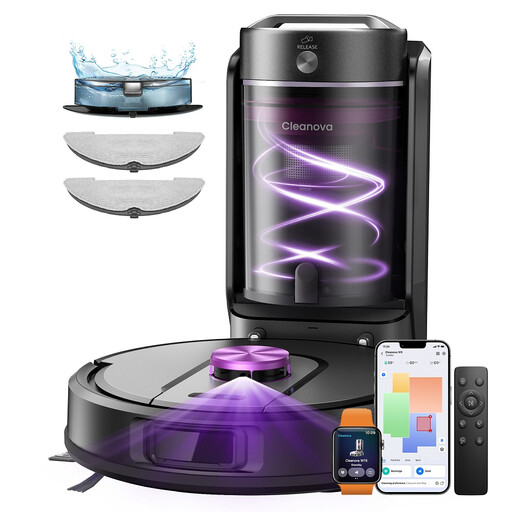
Why This Fits Their Persona: This model offers features you would normally find in a higher price bracket. Perfect for those looking for a great robot vacuum deal without compromising on essential technology like LiDAR and a self-emptying station.
It directly tackles the pitfall of hidden costs with its bagless robot vacuum design. You don't need to buy expensive dust bags, which saves a significant amount of money in the long run.
The combination of 10,000 Pa suction power, LiDAR navigation, and a bagless self-empty station offers excellent value for money. The app supports multiple maps and no-go zones.
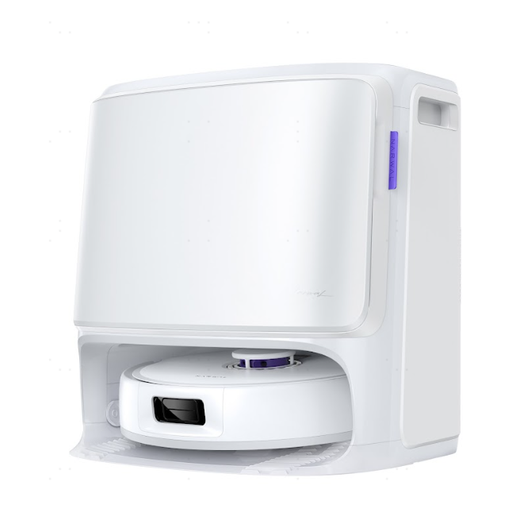
Why This Fits Their Persona: Specifically designed for the challenges of pets. The powerful suction and anti-tangle technology make this an ideal robot vacuum for pet hair, meaning you spend less time on brush maintenance.
This model bypasses the 'high suction, low performance' trap by using a dual anti-tangle brush. According to Narwal, this reduces hair tangles to almost zero, ensuring the suction power remains effective.
The dual anti-tangle technology is a major benefit for pet owners. Additionally, the self-cleaning and -drying station ensures the mop pads stay clean and fresh, contributing to a more hygienic home.
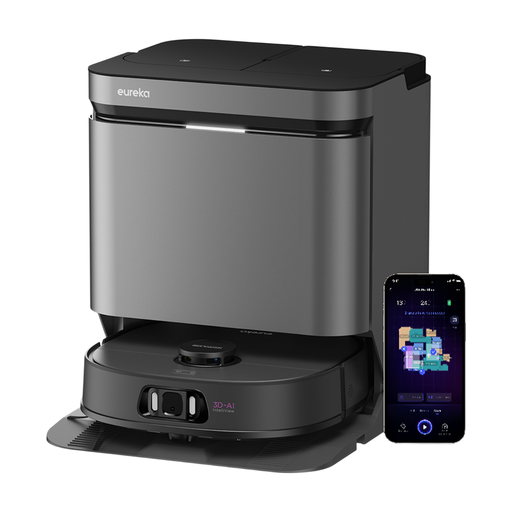
Why This Fits Their Persona: For those who want the latest and greatest and are willing to invest in maximum convenience. This model is packed with advanced technology for a nearly hands-free cleaning experience.
It avoids the 'clunky smart features' pitfall by offering technology that makes a real difference. The AI dirt detection optimises the cleaning strategy, rather than just being a gimmick.
The fully automated station that washes the mop pads with 75°C hot water, dries them, and empties the dustbin is a unique feature. Furthermore, its 16,200 Pa suction power is extremely powerful.
We have compiled a complete, real-time list of products that fully satisfy these strict selection criteria and UK safety regulations.
Yes, for most homes, a robot vacuum with LiDAR navigation is worth the investment. The system accurately maps the space, allowing the robot to clean systematically and efficiently. It doesn't miss spots and can better handle furniture and obstacles. This is especially beneficial in homes with multiple rooms or a more complex layout.
This depends on the type of self-empty station. For models with a dust bag, you must account for the cost of replacement bags, which you'll need to change every 1 to 3 months. With a bagless robot vacuum, you don't have this cost. However, for both types, you will need to periodically replace the filters, side brushes, and main brush (usually every 6-12 months) to maintain peak performance.
The average lifespan of a robot vacuum is between 3 and 5 years. This is highly dependent on use and maintenance. The battery is often the first component to lose capacity. By regularly cleaning the sensors, brushes, and filters and replacing them according to the manufacturer's instructions, you can significantly extend its lifespan.
