
Vandaag of morgen in huis

Kwaliteit gegarandeerd

Welkomstaanbiedingen ontgrendelen: GRATIS bezorging | Tot 80% korting | Gratis 30 dagen JoyPlus-proefperiode
Download de app
A robot vacuum that can also mop sounds like the perfect solution for a busy household. While you work, exercise, or relax, your floors are being cleaned for you. The reality, however, is that not every automatic vacuum and mop lives up to its promises. Many models are equipped with features that look great on paper but cause frustration in practice.
Before you buy a robot vacuum, it's important to recognise the common pitfalls. These are the three main areas where things often go wrong:
By paying attention to the right specifications, you can choose a model that actually saves time instead of creating more work.
The market for smart cleaning assistants is vast. To make a good choice, it's helpful to understand three technical aspects that distinguish a gimmick from a reliable appliance.
The effectiveness of the mopping function depends entirely on the technology. A simple, dragging mop (passive) is only suitable for picking up light dust. For a truly clean floor, there are better systems:
A smart robot vacuum must be able to find its way around independently. The navigation method is crucial here.
robot vacuum with an auto-empty stationWith a standard robot vacuum, you have to manually empty the dustbin and clean the mop after every cleaning session. An advanced station takes this work off your hands. A robot vacuum with an auto-empty station can, depending on the model:
This significantly increases the ease of use, especially in households with pets or large surface areas.
Based on these criteria, we have selected a number of models that suit different needs and budgets.
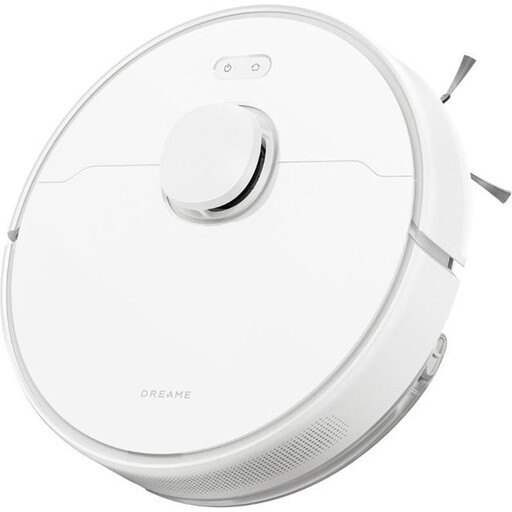
Why it's a match: For those seeking a reliable automatic vacuum and mop without paying a premium. This model focuses on the core functions: powerful suction and solid mopping, without an expensive, all-in-one station.
The mopping function is more than just a wet rag; with three adjustable water levels, it adapts the dampness to the floor type. The smart LDS navigation ensures an efficient route and prevents it from getting stuck.
Powerful 6000 Pa suction and a special rubber brush that is effective against hair, without the complexity and cost of a fully automatic station.
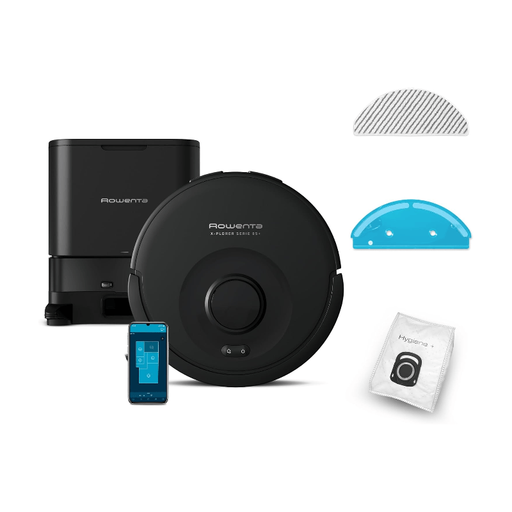
Why it's a match: Ideal for those who deal with pet hair and dirt daily. The automatic emptying station minimises maintenance, meaning you won't have to think about the dustbin for weeks.
This is a true robot vacuum for pet hair. The combination of 6000 Pa suction power and the special Animal Electro-Brush effectively tackles hair. The emptying station prevents the daily annoyance of a full dustbin.
The convenience of the automatic emptying station and the specialised brush for pet hair make this a workhorse for busy families.
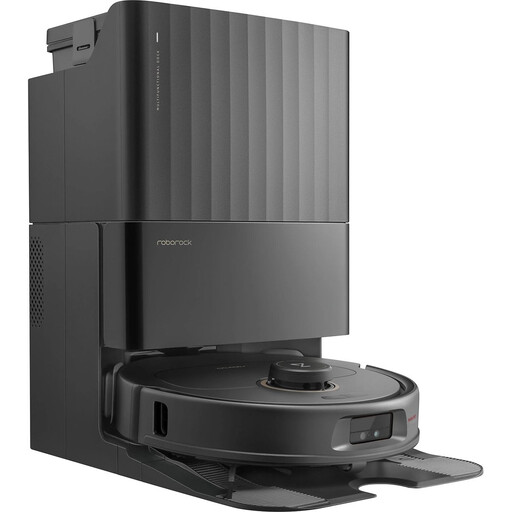
Why it's a match: For those who want to fully automate their cleaning. This Roborock model takes almost all the work off your hands, from cleaning to the maintenance of the robot itself.
This is the next level of a `robot vacuum with mopping function`. The rotating mops are washed with hot water in the station, which provides a true clean. The FlexiArm mop also reaches the edges that other robots miss.
The fully automated station that washes mops with hot water, dries them, empties the dustbin, and refills the water tank. This is the definition of a `smart robot vacuum`.
We have compiled a complete, up-to-date list of products that fully meet these strict selection criteria and applicable regulations.
Modern, advanced models are equipped with an automatic mop-lift feature. They use sensors to detect carpet and automatically raise the mop pads. This prevents the carpet from getting wet and allows the robot to both mop hard floors and vacuum carpets in a single run. For simpler models, you can set "no-go zones" in the app, so the robot avoids carpets when the mopping function is enabled.
Significantly less than a standard model. You typically only need to replace the dust bag in the station once every 1 to 2 months, depending on usage and whether you have pets. Emptying the dirty water tank and refilling the clean water tank is usually needed about once a week. Periodic maintenance, such as cleaning the brushes and sensors, is still recommended for optimal performance.
smart robot vacuum with AI navigation worth the money?That depends on your living situation. In a tidy home without many loose items, a robot with LDS navigation is often sufficient for an efficient clean. However, if you have children, pets, or regularly leave items like shoes, toys, or charging cables lying around, a robot with AI camera recognition can prevent a lot of frustration. These models actively recognise and avoid obstacles, reducing the risk of them getting stuck or damaged.
