
Vandaag of morgen in huis

Kwaliteit gegarandeerd

Welkomstaanbiedingen ontgrendelen: GRATIS bezorging | Tot 80% korting | Gratis 30 dagen JoyPlus-proefperiode
Download de app
A robot vacuum that not only vacuums but also mops, empties its own dustbin, and even cleans and dries its mops. It sounds like a dream come true for anyone with a busy lifestyle. However, the market is flooded with models that make lofty promises. Many devices have hidden drawbacks that only become apparent after purchase, leaving you with a lot of manual work after all.
As a Joybuy Product Recommendation Officer, I'm here to help you cut through the marketing hype. We'll look at the features that truly matter, so you can choose a model that genuinely saves you time and keeps your home thoroughly clean. Let's avoid the most common pitfalls.
Pitfall 1: A "self-emptying" station that isn't truly self-cleaning Many base stations only empty the robot's dustbin. The wet, dirty mops, however, remain attached to the robot. This means you have to wash and dry them yourself to prevent mould and unpleasant odours. A truly autonomous system, a self-cleaning mopping robot, automatically washes and dries the mops, sometimes even with hot water.
Pitfall 2: Poor obstacle avoidance that creates more mess A robot that constantly gets stuck on stray cables, shoes, or your pet's toys is more of a hindrance than a help. Simple sensors often overlook low-lying objects. An advanced robot vacuum with AI obstacle avoidance uses cameras and smart software to recognise and navigate around objects, which is essential in a dynamic household.
Pitfall 3: Round robots that miss corners and edges Dust and debris love to collect in corners and along baseboards. The standard round shape of many robot vacuums makes it difficult to reach these areas effectively. A good robot vacuum for corners and edges has special brushes or a unique design to tackle these tricky zones as well.
To avoid buyer's remorse, it's important to look beyond standard marketing terms. Pay attention to the following objective specifications that determine how well a robot vacuum performs.
An auto-empty station should do more than just collect dust. Check if the station offers the following features for a completely hands-free experience:
robot vacuum with a hot water washing function provides a more hygienic result by better removing bacteria and stubborn dirt. Hot air drying prevents mould and odours.The way a robot navigates your home is crucial for its efficiency and reliability.
robot vacuum with AI obstacle avoidance use cameras to identify objects like cables, socks, and even pet "accidents," navigating around them with a safe margin. This is a must-have for households with pets or small children.High suction power, expressed in Pascals (Pa), is important, especially if you have carpets or pets.
robot vacuum for pet hair with a suction power of 8,000 Pa or more is recommended to pull hair and dirt from deep within the fibres.smart vacuum with an app is standard today. Check if the app is user-friendly and offers features like setting no-go zones, cleaning schedules, and adjusting suction power and water flow per room.Based on these objective criteria, we have selected a few models that suit different needs and living situations.
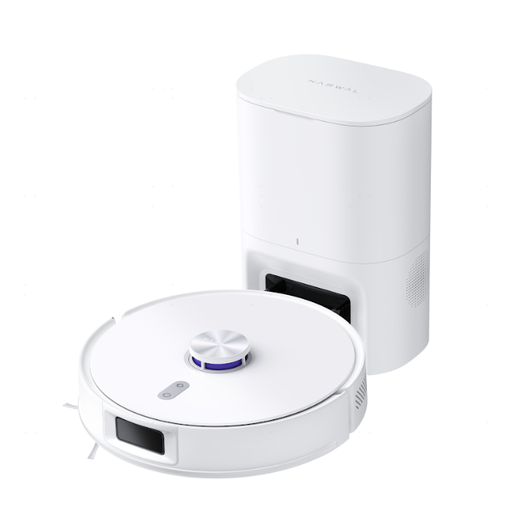
Why it's a match: Ideal for those taking their first step into home automation. This model focuses on the essentials: powerful vacuuming and automatic dustbin emptying, which eliminates the biggest daily inconvenience.
This model has a station that automatically empties the dustbin into a large 3.5L dust bag. According to Narwal, you only need to replace it twice a year, helping you avoid the pitfall of daily emptying.
Powerful suction (8000 Pa): Effective against dust, crumbs, and pet hair on both hard floors and carpet. The LDS laser navigation ensures a systematic and efficient cleaning path.
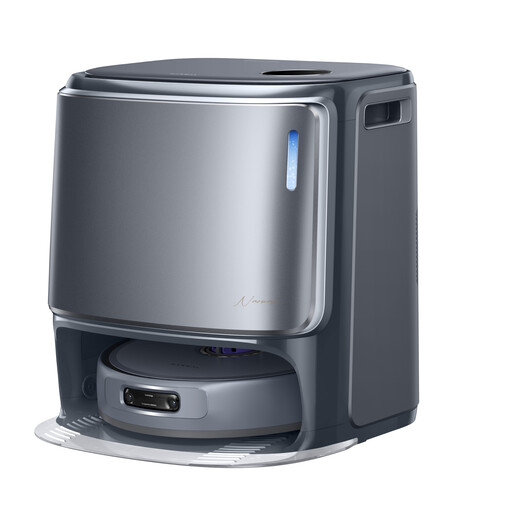
Why it's a match: Designed for the most demanding households. The combination of extreme suction power, smart AI navigation, and a fully self-cleaning station makes this an excellent choice for people with pets and a busy schedule. Buying the Narwal Freo Z10 Ultra means investing in convenience.
The dual RGB cameras with AI chips recognise over 200 objects, according to Narwal, including pet "accidents," and avoid them. The station washes the mops with hot water (40-60°C) and dries them, completely bypassing the pitfall of a smelly, unhygienic mop.
Extremely high suction power (18,000 Pa) and a certified tangle-free brush effectively tackle pet hair. The mop can extend to thoroughly scrub corners and edges as well.
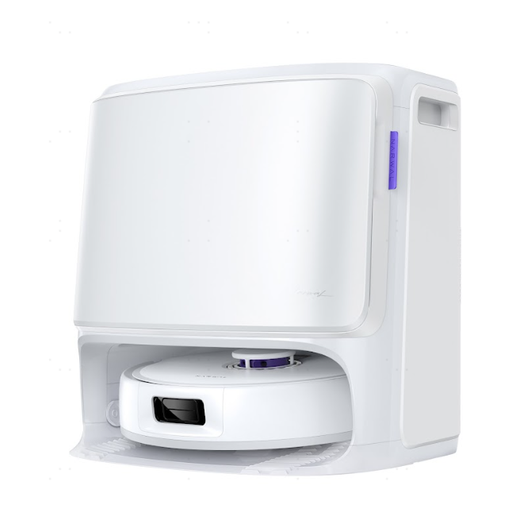
Why it's a match: For those seeking the latest innovations in cleaning technology. This model specifically focuses on solving a classic problem: cleaning corners and edges, combined with a fully automated station.
It tackles the pitfall of missed corners with a unique triangular mopping system. According to Narwal, this design fits seamlessly into 90° corners. The dual anti-tangle brushes (both main and side brushes) prevent the frustration of tangled hair.
The integrated station washes, dries, and collects dust. The combination of LDS LiDAR and structured light ensures accurate mapping and obstacle avoidance, while the ultrasonic sensor detects carpets and lifts the mop.
We have compiled a complete, up-to-date list of products that fully meet these strict selection criteria and Dutch safety regulations.
This depends on the model and your household. For the dust collection, you typically only need to replace the dust bag in the station once every 60 to 180 days. For the mopping part, you'll need to refill the clean water tank and empty the dirty water tank. The frequency depends on how often you mop and the size of the tanks, but expect to do this about once a week with average use.
Yes, modern models are well-equipped for this. They use ultrasonic sensors to detect carpet. As soon as the robot approaches a carpet, it automatically lifts the mop pads to prevent the carpet from getting wet. On some models, you can also use the app to set the suction power to automatically increase on carpet for a deeper clean.
Yes, in practice, it makes a huge difference. A standard robot with only laser sensors might bump into a forgotten charging cable or a shoe and get stuck. A robot vacuum with AI obstacle avoidance uses cameras to recognise these types of objects and proactively navigate around them. This significantly increases its reliability, allowing the robot to complete its cleaning cycle successfully without requiring your intervention.
