
Livraison le jour même et le lendemain

Qualité garantie

Débloquez vos offres de bienvenue: Livraison GRATUITE | Jusqu'à -80 % | 30 jours d'essai gratuits à JoyPlus
Téléchargez l'application
A robot vacuum that not only vacuums but also mops and empties itself. It sounds like a dream for anyone with a busy life. You set it up once and don't have to think about it for weeks. The reality, however, is that the market is flooded with models that don't live up to their promises. Before you spend a significant amount of money, it's wise to know what to look for.
As a Product Recommendation Officer at Joybuy, I see which specifications truly matter every day. Here are the three most common pitfalls and how to avoid them when buying a robot vacuum.
Manufacturers advertise with impressive numbers like 8,000 Pa or even 10,000 Pa. High suction power is useful, especially if you're looking for a robot vacuum for pet hair or have high-pile carpets. But it's not the whole story. A model with a less powerful motor but a better-designed brush and smarter software can be more effective in practice than a powerhouse that gets stuck or misses spots.
The term 'smart robot vacuum' is used far too often. Models with outdated gyroscope or 'random' navigation constantly bump into furniture, miss corners, or get lost under the dining table. This leads to frustration and an incompletely cleaned home. True efficiency comes from an advanced navigation system.
A self-emptying robot vacuum has become the standard. But not all stations are created equal. A basic model only empties the robot's dustbin. This is convenient, but you still have to manually wash the mopping pads and refill the water tank. The more advanced stations take care of this work too: they wash and dry the mopping pads and refill the robot with clean water.
To avoid buyer's remorse, focus on a few key specifications that make the difference between a gadget and a truly useful home appliance.
A robot vacuum with navigation based on LiDAR (Light Detection and Ranging) is a wise choice. This technology uses a spinning laser to create a precise map of your home. The advantages are clear:
A good vacuum and mop in one does more than just drag a wet cloth behind it. Look for the following features:
Think carefully about the level of automation you desire. An all-in-one station offers the most convenience and typically includes:
Such a station makes maintenance truly minimal. You only need to empty and fill the dirty and clean water tanks once every few weeks.
Based on the criteria above, we have selected several models that suit different needs and budgets.
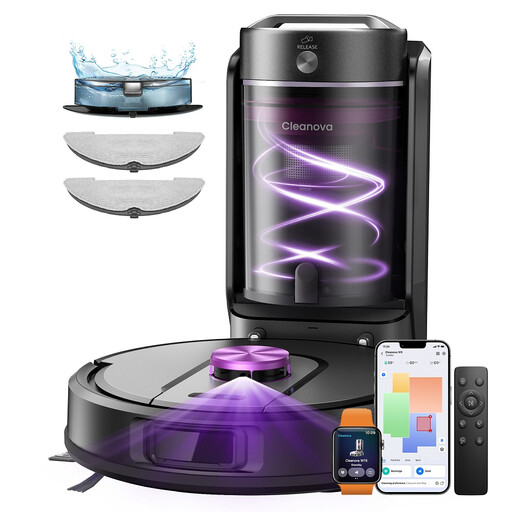
Why This Fits Their Persona: Ideal for those who want to experience the benefits of a self-emptying robot with a mopping function without paying a premium. This model offers the most important features at a very accessible price.
This model bypasses the 'poor navigation' pitfall by using LiDAR navigation for precise mapping and efficient cleaning routes. Furthermore, its bagless self-emptying station saves on the recurring cost of dust bags.
Combines 3-in-1 vacuuming, sweeping, and mopping with a self-emptying station and LiDAR navigation. The 180-minute battery life is more than sufficient for most homes.
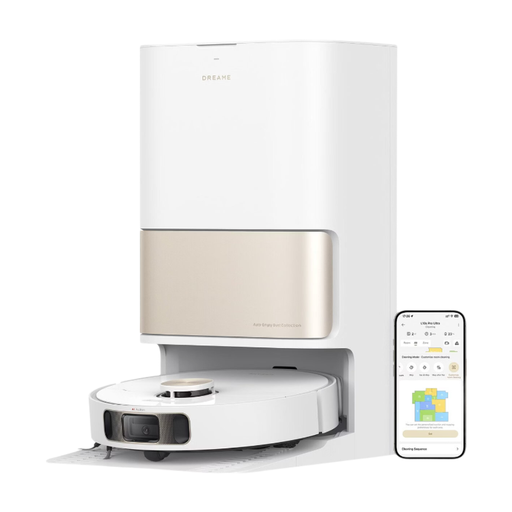
Why This Fits Their Persona: For families with children or pets, a 'set-it-and-forget-it' solution is essential. This model is designed for minimal maintenance thanks to its advanced mopping and station features.
This model tackles the 'half-job' station pitfall. It not only empties dust but also washes and dries the mopping pads. The MopExtend technology, as the manufacturer calls it, is designed to mop more effectively along edges.
Fully automated maintenance of the mopping function. The combination of 7000 Pa suction power and an intelligent carpet strategy makes it a powerful choice for mixed floor types.
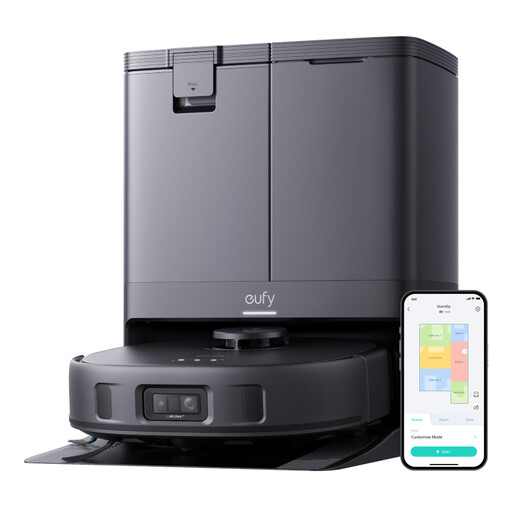
Why This Fits Their Persona: For those looking for a complete and powerful solution that handles every task. This model combines high suction power with a fully automated station for maximum convenience.
This model avoids all three pitfalls. It has high suction power of 8,000 Pa, intelligent navigation for efficient coverage, and an all-in-one station that automatically washes and dries the mopping pads and empties the dustbin.
A complete, hands-free cleaning experience. The combination of powerful specifications and a fully functional station makes this a solid choice for those who want to get the most out of automation.
We have compiled a complete, real-time list of products that fully satisfy these strict selection criteria and UK safety regulations.
This depends on the size of the dust bag or container in the station and how much dirt the robot collects. For most stations with a dust bag (usually around 3 litres), you'll need to replace it once every 30 to 60 days. The clean and dirty water tanks for the mopping function need to be changed more frequently, typically once a week, depending on how often you mop.
Yes, provided you choose a model with automatic mop lifting. This feature ensures the robot lifts its mopping pads as soon as it detects carpet. This way, only the hard floor is mopped, and your carpet stays dry. Without this feature, you would have to manually set up no-go zones for your carpets, which is less practical.
Absolutely. Although models with LiDAR are often slightly more expensive, the investment pays off in efficiency and ease of use. The robot cleans faster, doesn't miss spots, and offers advanced app features like cleaning specific rooms and setting up restricted zones. For a household where the robot runs daily or several times a week, this is an indispensable feature.
