
Vandaag of morgen in huis

Kwaliteit gegarandeerd

Welkomstaanbiedingen ontgrendelen: GRATIS bezorging | Tot 80% korting | Gratis 30 dagen JoyPlus-proefperiode
Download de app
A clean home without the daily chore. That's the promise of a robot vacuum with a mopping function. The market has matured, and the technology is more advanced than ever. Today's models navigate with precision, empty their own dustbins, and even wash and dry their mops. But with so many choices and technical specifications, finding the right model can be challenging.
This guide is designed to provide clarity. We'll look at the specifications and features that truly matter, so you can make an informed decision that fits your household and needs.
Before we dive into specific models, here are a few key considerations. These will help you better understand the specifications of different devices.
A good robot vacuum knows where it is and what to avoid. Most advanced models use LiDAR (Light Detection and Ranging) to create a precise map of your home. This ensures a systematic and efficient cleaning route. The latest generation adds a smart robot vacuum with AI to the mix. Cameras and intelligent software help the robot recognize and avoid objects like shoes, cables, and toys in real-time. This is especially useful in a busy household or for pet owners.
A modern base station does more than just charge. A robot vacuum with an auto-empty station automatically empties the robot's dustbin into a larger bag in the station. This means you won't have to worry about emptying the robot itself for weeks. The most comprehensive systems go a step further. These self-cleaning robot vacuums wash the mops with hot water, dry them with hot air to prevent mould and odours, and automatically refill the robot's water tank. This offers a nearly hands-free experience.
Suction power is expressed in Pascals (Pa). A higher Pa value is particularly important if you have carpets or are looking for a robot vacuum for pet hair. For hard floors, an extremely high value is less critical, but it does help remove dirt from cracks and crevices. For the mopping function, there are various systems. Rotating mops scrub the floor more actively than a static mop pad and often deliver better results on more stubborn dirt.
Based on the criteria above, we have selected a few models that stand out for their specifications and functionality.
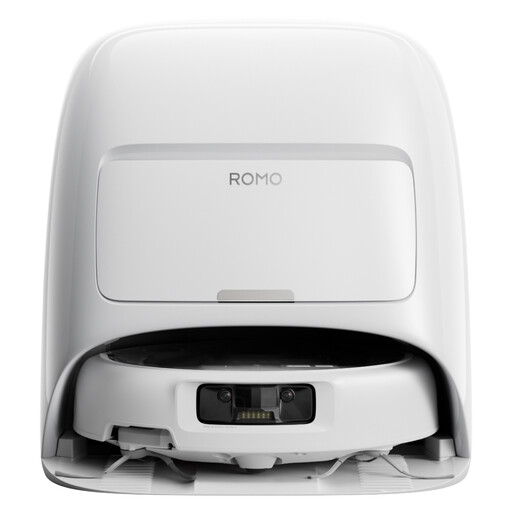
Why it stands out: The DJI ROMO A pushes the boundaries with specifications we haven't seen before. The combination of extremely high suction power and drone-grade navigation technology makes this a technological marvel. The dual robotic arms are designed to reach corners and edges that other robots struggle with.
Key Features:
Who is it for? For the tech enthusiast seeking maximum performance and the most advanced features in a unique, transparent design.
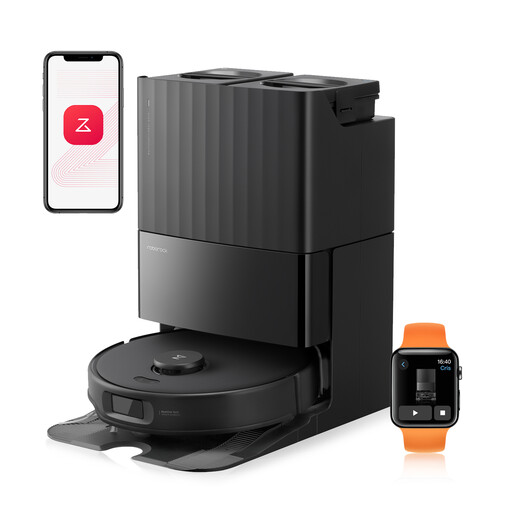
Why it stands out: Roborock is known for its reliable and smart robots. The Qrevo Edge S5A focuses on a common problem: cleaning edges. The FlexiArm Design ensures the mop and brush can accurately follow baseboards and corners. The base station washes the mops with 75°C hot water for a hygienic result.
Key Features:
Who is it for? For households that prioritise a thorough clean right into the tightest corners and value hygiene, such as families with children or pets.
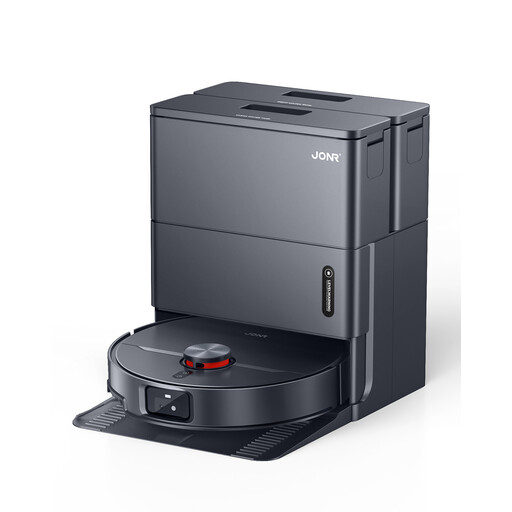
Why it stands out: The JONR X1 Max offers an impressive set of features for a competitive price. With a high suction power of 20,000 Pa, extendable arms for edges, and a full-featured base station that washes and dries mops with hot water, this model competes with more expensive alternatives.
Key Features:
Who is it for? For those looking for a complete, largely maintenance-free all-in-one robot vacuum and mop without paying a premium.
The world of home robotics is bigger than just vacuums. Are you interested in other smart home automation? Then discover our range of advanced robotic arms and other innovative solutions to make your daily life easier.
1. How often do you need to empty a self-cleaning robot vacuum? This depends on the size of the dust bag in the base station and how much dirt the robot collects. With most modern models featuring an auto-empty station, you only need to replace the dust bag once every 60 to 90 days.
2. Can a robot vacuum with a mopping function detect carpet? Yes, most advanced models have sensors that detect carpet. When the robot approaches a carpet, it will automatically lift its mop or return to the station to detach the mopping module. This prevents your carpet from getting wet.
3. Is higher suction power (Pa) always better? Not necessarily. A high Pa value is useful for deep cleaning carpets and picking up heavier debris like pet hair. For hard floors, a value of 5,000 Pa is often more than sufficient. More important is the combination of suction power, a good brush, and smart navigation.
