
Vandaag of morgen in huis

Kwaliteit gegarandeerd

Welkomstaanbiedingen ontgrendelen: GRATIS bezorging | Tot 80% korting | Gratis 30 dagen JoyPlus-proefperiode
Download de app
A robot vacuum that not only vacuums but also mops, empties itself, and cleans its own mop. It sounds like a dream for anyone with a busy life. However, the market is flooded with models that promise the world. Many of these devices end up as expensive gadgets collecting dust in a corner because they fail to deliver on their marketing promises.
Before you invest, it's crucial to recognise the common pitfalls. Many users encounter the same problems:
This guide will help you cut through the marketing jargon and focus on the specifications that truly matter in a modern household.
The term 'smart' is used indiscriminately. A basic robot with LiDAR navigation can create a map of your home, but it won't recognise loose objects. It will bump into them or drag them along.
A truly smart robot vacuum with an app uses more advanced technology. Look for models with AI obstacle detection, which often work with cameras and specialised chips. According to manufacturers, these systems can recognise hundreds of everyday objects, such as shoes, toys, and cables. For pet owners, this isn't a luxury, but a necessity. A robot that can identify a pet 'accident' and steer clear of it prevents a cleaning disaster.
A self-cleaning robot vacuum should make your life easier, not more complicated. A good base station does more than just empty the dustbin.
Check for these three features to ensure that maintenance is truly minimal.
High suction power, for example, 18,000 Pa or more, is useful for picking up fine dust and dirt from carpet. But this power is worthless if pet hair or long human hair immediately clogs the brush.
A good robot vacuum for pet hair has a specially designed brush that prevents tangles. Manufacturers often call this a 'tangle-free' or 'anti-tangle' brush. These are typically made of rubber and have a specific profile that ensures hair is guided directly into the dustbin instead of wrapping around the brush. So, don't just look at the Pa number; also examine the brush design.
Not every robot vacuum fits every household. Below are some popular choices, matched to specific needs.
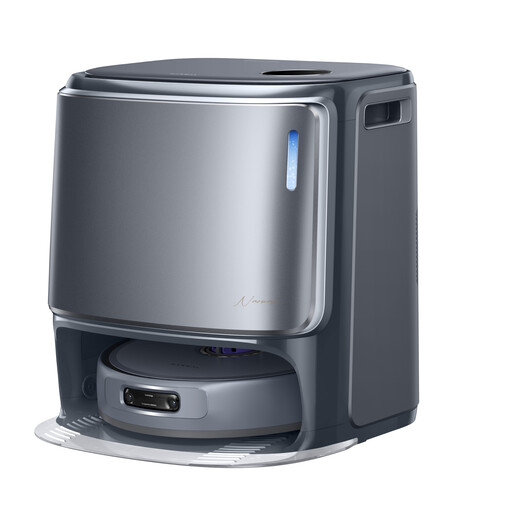
Why This Fits Their Persona: This model is designed for the chaos of a modern family. Its AI cameras are specifically trained to recognise and avoid toys, shoes, and especially pet 'accidents', saving a lot of trouble.
Tackles the 'false smarts' pitfall with dual RGB cameras for true object recognition. The tangle-free brush and DualFlow system prevent clogging from pet hair.
The extendable mop cleans corners and edges that other robots can't reach. The base station washes the mop with hot water and dries it to prevent odours.
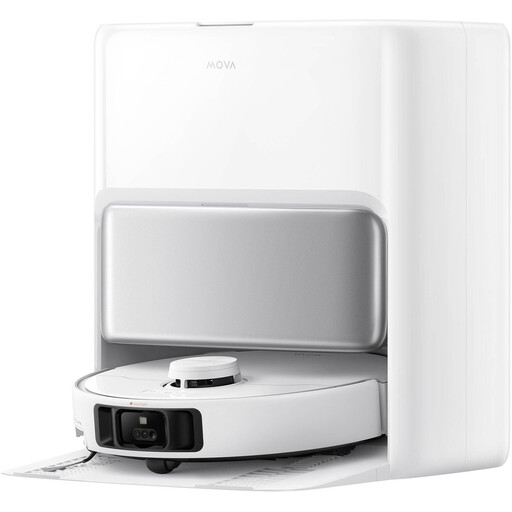
Why This Fits Their Persona: For those seeking maximum automation. This system is designed to require minimal attention. It empties, washes, dries, and refills itself, allowing you to go for weeks without thinking about the device.
This model tackles the 'self-cleaning lie' with a 75°C mop wash. According to the manufacturer, this provides a more hygienic clean than systems that only use cold water, and it prevents a musty mop.
The fully automated station that empties dust, refills water, and washes the mop with hot water offers a high level of convenience. The suction power of 19,000 Pa is powerful enough for most situations.
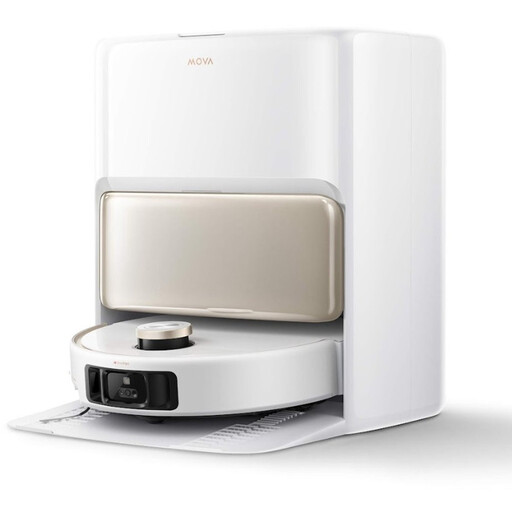
Why This Fits Their Persona: For those who want to switch to automated cleaning with a powerful vacuum and mop function but aren't ready to invest in a fully automatic base station. A solid entry into the world of robot vacuums.
This model is transparent: it's a powerful robot with a charging station, not a self-cleaning station. You don't pay for features that aren't there and know exactly what you're getting: a strong vacuum and mop that you empty yourself.
The very high suction power of 24,000 Pa effectively tackles deep-seated dirt. The Bluetooth control is simple and direct, without the complexity of extensive Wi-Fi settings.
We have compiled a complete, up-to-date list of products that meet these strict selection criteria and safety regulations.
Although they are 'self-cleaning', some minimal maintenance is still required. You'll need to periodically refill the base station's clean water tank and empty the dirty water tank. Depending on the model, you'll need to replace the dust bag in the station every 2 to 4 months. It's also advisable to occasionally check and clean the robot's sensors and brushes.
Yes, most modern models are safe for sealed hardwood floors and laminate. Choose a model that allows you to control the water flow via the app, so the floor doesn't get too wet. Advanced robots automatically lift their mops when they detect carpet, which prevents your rug from getting wet.
This is an understandable concern. Reputable brand manufacturers state that the images captured by the cameras are processed locally on the robot itself and are not sent to the cloud. The data is used for navigation and object recognition. It is always good practice to check the specific brand's privacy policy before making a purchase.
