
Vandaag of morgen in huis

Kwaliteit gegarandeerd

Welkomstaanbiedingen ontgrendelen: GRATIS bezorging | Tot 80% korting | Gratis 30 dagen JoyPlus-proefperiode
Download de app
A robot that vacuums and mops for you sounds like the perfect solution for any busy household. However, the market is flooded with models that promise the world. In reality, many of these promises turn out to be just marketing fluff. As a Joybuy Product Recommendation Officer, I'm here to help you separate fact from fiction. We'll look at the pitfalls that cost you money and the specifications that truly matter, ensuring you make a choice you'll be happy with for years to come.
Before we look at specific models, it's crucial to recognize the marketing traps. Many devices look impressive on paper but fall short in practice due to design flaws.
To make a smart choice, you need to look beyond the marketing buzzwords. These three technical specifications determine whether a robot vacuum is worth its price.
The way a robot maps and navigates your home is crucial.
A robot vacuum saves time, but emptying the dustbin and cleaning the mop after every run can still be a chore. A robot vacuum with an auto-empty dock takes much of this work off your hands.
As mentioned, a passive wet cloth isn't enough. Look for models with active mopping features for a truly clean floor.
Below are several models that score well on the above criteria, matched to different user profiles.
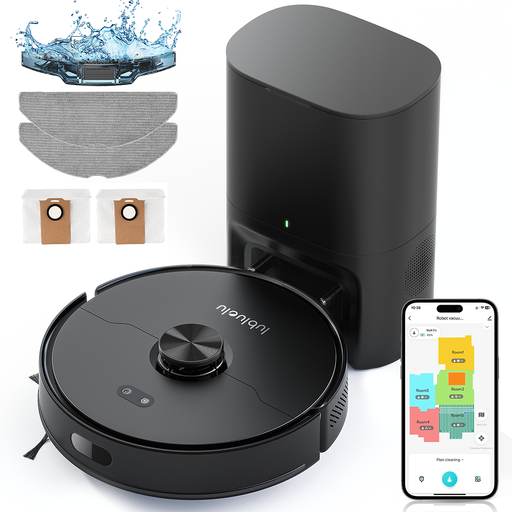
Why This Fits Their Persona: Ideal for those looking to upgrade to a smart cleaning assistant without breaking the bank. This model offers key features like laser navigation and a combination mopping function, which make a noticeable difference compared to basic budget models.
This model avoids the 'wet rag trap' by offering an active mopping function. Its LDS laser navigation is a huge upgrade over simple 'smart' robots that just wander aimlessly.
It offers precise laser navigation with the ability to save 5 different maps, which is useful for multi-story homes. The 4000 Pa suction power is more than sufficient for hard floors and low-pile carpet.
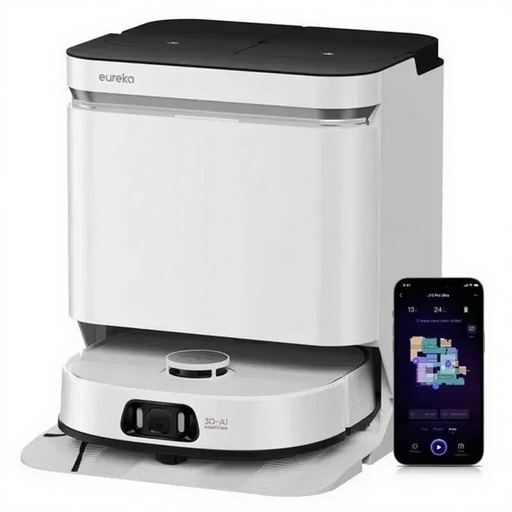
Why This Fits Their Persona: For households with dogs or cats, the daily battle against hair is a reality. This model is designed for maximum performance with very high suction power and a brush engineered to minimize tangles from long hair.
This model bypasses the 'Pa paradox.' Its high suction power of 16,200 Pa is combined with what the manufacturer calls 'FlexiRazor Anti-Hair Tangling Technology,' a system designed to actively cut hair and reduce tangles.
The 8-in-1 docking station washes the mops with 75°C hot water and dries them, which helps reduce odours and bacteria. The combination of high suction power and the anti-tangle brush makes it a strong contender for households with pets.
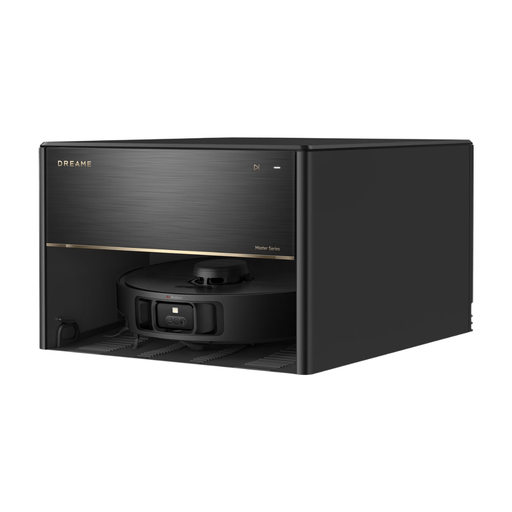
Why This Fits Their Persona: For those who seek ultimate convenience and are willing to invest in the latest technology. This is a 'set-and-forget' solution that almost completely automates the cleaning process, from emptying dust to cleaning and refilling the mop.
This model fully delivers on the promise of a 'self-cleaning' robot. The 8-in-1 docking station eliminates almost all manual maintenance, including refilling and draining water, which is a common hidden annoyance with other models.
The 'MopExtend RoboSwing' technology, where the mop arms extend to clean tightly along baseboards and in corners, is a unique feature. The automatic water and drainage system in the docking station offers a level of convenience that few other models can match.
We have compiled a complete, up-to-date list of products that meet these strict selection criteria and comply with local regulations.
The lifespan heavily depends on use and maintenance. On average, you can expect it to last 3 to 5 years. The battery is often the first component to wear out. Regular cleaning of filters, brushes, and sensors is essential to extend its life. Check if replacement parts like brushes, filters, and mop pads are readily available.
Yes, more advanced models are specifically designed for this. They use sensors to detect carpet. When they approach a rug, they do two things: they automatically lift the mop pads to prevent the carpet from getting wet, and they increase suction power to pull deep-seated dirt and hair from the fibres. This makes them a suitable vacuum for carpet and hard floors.
Although a self-cleaning robot vacuum drastically reduces daily maintenance, it is not completely maintenance-free. You will still need to periodically:
