
Vandaag of morgen in huis

Kwaliteit gegarandeerd

Welkomstaanbiedingen ontgrendelen: GRATIS bezorging | Tot 80% korting | Gratis 30 dagen JoyPlus-proefperiode
Download de app
A robot vacuum that can also mop sounds like the perfect solution for a busy household. But the market is flooded with models that promise the world. Many buyers discover after a few months that their expensive purchase delivers more frustration than convenience. Before you invest in a Roborock robot vacuum with a mopping function, it's crucial to look beyond the marketing hype.
We often see buyers fall into a few common traps:
To find a model that lives up to its promises, it's wise to focus on a few key specifications. These determine how well the robot will function in your specific household.
A good robot vacuum knows where it is, where it's been, and where it needs to go. Most Roborock models use PreciSense LiDAR Navigation.
If you're looking for a robot vacuum for pet hair, the brush design is more important than raw suction power. Hair tends to get tangled in bristle brushes.
A robot vacuum with a mopping function and dock can take a huge amount of work off your hands, provided the dock has the right features. Look beyond just automatically emptying the dustbin. A modern all-in-one dock offers:
Not every robot vacuum is suitable for every household. We've highlighted a few models that fit different needs, based on their objective specifications.
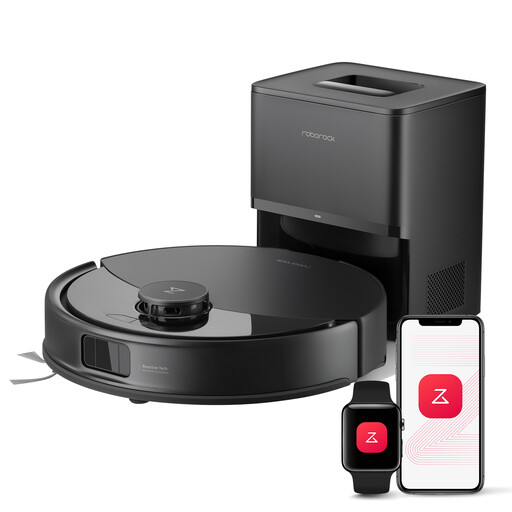
Why it's a match: For those who deal with daily pet hair and muddy paws, this model offers a practical balance. The auto-empty dock means you won't have to think about the dust bag for weeks, while the robot itself combines vacuuming and mopping.
The dual anti-tangle brush system is specifically designed to effectively handle hair, so you don't have to constantly clean the brushes manually.
The combination of 10,000 Pa suction power, the dual rubber brush system, and an auto-empty dock makes this a powerful solution for households with pets.
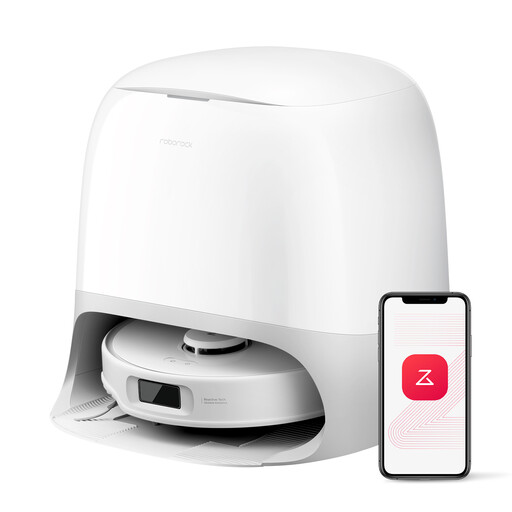
Why it's a match: For those seeking maximum automation and the latest technology. This model offers a fully integrated system that not only vacuums and mops but also maintains itself completely.
This is a true self-cleaning robot vacuum. The dock washes the mops with 75°C hot water and dries them with hot air, which minimizes the risk of odours and manual maintenance.
The all-in-one dock that washes and dries mops, empties the dustbin, and refills the water tank offers an extremely high level of convenience. Intelligent dirt detection adjusts cleaning where needed.
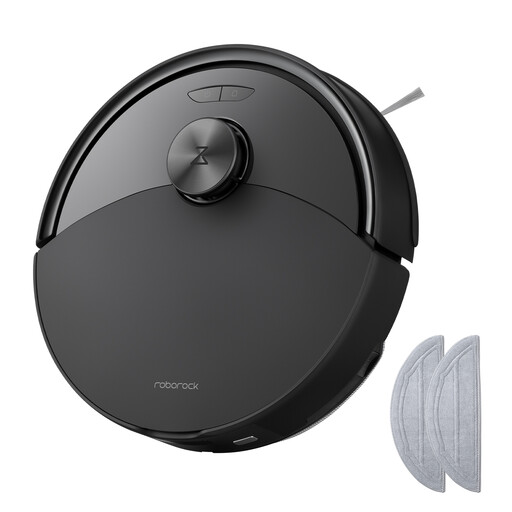
Why it's a match: For those seeking a reliable 2-in-1 robot vacuum and mop without the cost and space of a full-featured dock. This model focuses on the core functions: powerful vacuuming and effective mopping.
This model focuses on performance rather than superfluous extras. The combination of 10,000 Pa suction power and the dual anti-tangle system offers great value without the complexity of a dock.
The 'Auto Lifting Mopping' feature automatically lifts the mop when carpet is detected. This allows the robot to clean both hard floors and carpets in a single run without manual intervention.
We have compiled a complete, up-to-date list of products that meet these strict selection criteria and comply with current regulations.
Although they are 'self-cleaning', some maintenance is required. The dust bag in the dock needs to be replaced every 4 to 7 weeks, depending on the model and the amount of dirt. The clean and dirty water tanks should be emptied and refilled when the app prompts you, usually after a few cleaning cycles. It's also advisable to wipe the dock's washing plate monthly to prevent dirt buildup.
Yes, most modern Roborock models are well-equipped for this. They use sensors to detect carpet. When carpet is recognized, two things happen: the suction power is automatically boosted for a deeper clean, and the mopping module is lifted. This prevents the carpet from getting wet and allows the robot to tackle both hard floors and carpet in a single cleaning run.
For structured and efficient cleaning, LiDAR navigation is a highly valuable feature. It allows the robot to create accurate maps, which is essential for functions like setting no-go zones, cleaning specific rooms, and following a logical path. Robots without LiDAR (which might rely only on a gyroscope or camera) are often less efficient, miss spots, or take longer to clean the same area.
