
Vandaag of morgen in huis

Kwaliteit gegarandeerd

Welkomstaanbiedingen ontgrendelen: GRATIS bezorging | Tot 80% korting | Gratis 30 dagen JoyPlus-proefperiode
Download de app
A robot vacuum that not only vacuums but also mops, empties itself, washes its mops with hot water, and then dries them. It sounds like a dream for any busy household. The market for advanced cleaning assistants is growing rapidly, and the Roborock Qrevo MaxV is a model that's drawing a lot of attention. But before you invest in such a sophisticated device, it's crucial to know what to look for. Marketing promises can sometimes be more appealing than reality.
As a Joybuy Product Recommendation Officer, I'm here to help you filter through the information. Here are the most common pitfalls and the objective specifications that truly matter.
The technology is impressive, but not every model lives up to its promises. Watch out for these three common deceptions:
To avoid buyer's remorse, focus on the technical specifications that make a difference in daily use.
A good robot vacuum knows where it is, where it's been, and where it needs to go. The technology that enables this is crucial.
A modern base station does more than just empty the dustbin. For a truly automated experience, these are the features to look for:
The way the robot actually tackles dirt is essential, especially for those looking for a robot vacuum for pet hair.
Based on these objective criteria, we have selected a few models that suit different needs and households.
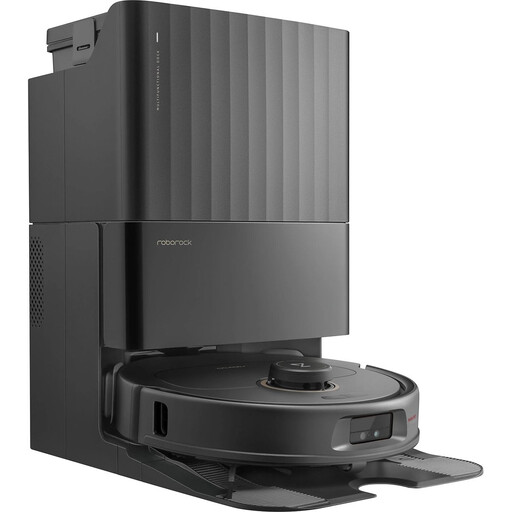
Why This Fits Their Persona: For those seeking maximum automation and convenience. Ideal for busy professionals and families with large homes and pets, who are willing to invest in a solution that almost completely takes over household chores.
This model tackles the "maintenance-free" station pitfall. According to Roborock, the station washes the mops with 60°C hot water and dries them with hot air, which prevents odours and bacterial growth. The FlexiArm mop tackles the edges, an area many robots miss.
The combination of PreciSense LiDAR navigation, an extendable edge mop, and a fully automated station with hot water cleaning. The 7000 Pa suction power is strong enough for deep carpets.
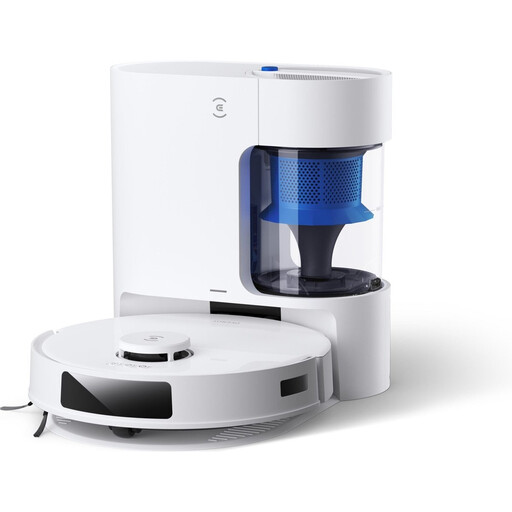
Why This Fits Their Persona: Specifically for households where pet hair is a daily challenge. This user needs powerful suction that also cleans deep into carpets, combined with a long battery life for larger areas.
This model bypasses the "high suction power" myth by combining its high value of 8000 Pa with an anti-tangle brush design and a reliable navigation system (TrueMapping 2.0). It's a complete package focused on a specific problem: pet hair.
The very high suction power and long runtime of 300 minutes make this model suitable for large homes with lots of carpet and pets. The automatic emptying station provides up to 45 days of autonomous cleaning.
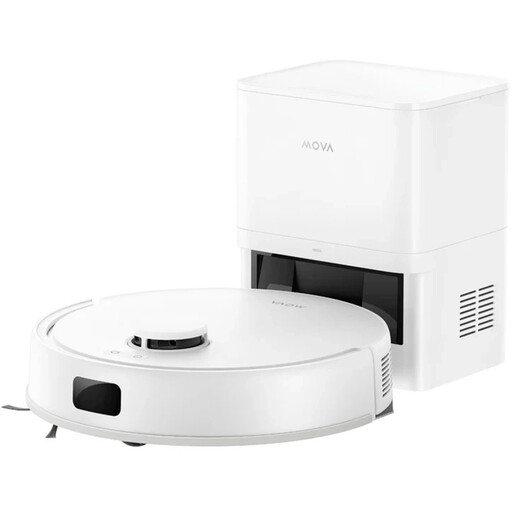
Why This Fits Their Persona: For those who want to take the step into automated cleaning with an auto-empty station but don't have the budget for the absolute top-tier models. This user is looking for a reliable foundation: good navigation, vacuuming, mopping, and self-emptying.
This model avoids the pitfall of poor navigation by using an LDS laser system. This ensures a systematic and efficient cleaning route, unlike cheaper models that move around randomly.
Offers the core features of a premium model (LiDAR, self-emptying station for up to 90 days) at a more accessible price point. The 5000 Pa suction power is a solid foundation for most floor types.
A robot vacuum is a personal choice. If the models above aren't exactly what you're looking for, check out our wider range. We have compiled a complete list of products that meet strict selection criteria and Dutch safety regulations.
Although the system is largely autonomous, periodic maintenance is necessary for optimal performance. According to the manufacturer, the dust bag in the station (2.7L) only needs to be replaced every few weeks to months, depending on usage. The clean (4L) and dirty water tanks should be refilled and emptied when the app indicates. It is also advisable to check and clean the robot's sensors and brushes monthly.
Yes, but it heavily depends on the model. A robot vacuum suitable for pet hair combines three elements: high suction power (at least 5000 Pa) to pull hair from deep within carpet fibres, a rubber main brush that prevents hair from tangling, and a smart navigation system that doesn't miss spots. Models like the Roborock Qrevo MaxV and the ECOVACS N20 Plus are specifically designed with these challenges in mind.
Generally, the installation is straightforward. The process usually involves finding a good spot for the base station (with enough free space around it), connecting the robot to your Wi-Fi network via the corresponding app, and letting the robot do an initial mapping run to create a map of your home. You can then edit this map in the app to name rooms or set up restricted zones. Most apps guide you through this process step-by-step.
