
Vandaag of morgen in huis

Kwaliteit gegarandeerd

Welkomstaanbiedingen ontgrendelen: GRATIS bezorging | Tot 80% korting | Gratis 30 dagen JoyPlus-proefperiode
Download de app
Roasted sunflower seeds are a popular snack for film nights, parties or relaxing moments. You’ll find them plain, salted, spiced and in flavours such as cheese, caramel and coconut. Yet the packaging varies widely in ingredients, salt content, quantity and ease of use.
An attractive packet doesn’t always tell the full story. With this practical guide, you’ll know exactly what to look for to make the best choice.
A 500g pack might seem ideal for a family or group of friends, but always check the net weight and the price per 100g. Some smaller bags contain individually wrapped portions or a specific flavour, while a large bag can absorb moisture more quickly once opened.
Also watch out for conflicting product information. On some items, the product name may state a different weight to the nutritional or packaging details. Always check the current product page and the label.
With plain sunflower seeds or roasted seeds that don’t have a strong flavour, salt may still have been added. Look at the ingredients list and the stated salt content per 100g. For example, BIO+ Sunflower Seeds contain only sunflower seeds as an ingredient, with a salt content listed as 0.15g per 100g.
If you’re specifically looking for salted sunflower seeds, you can compare products based on their salt content. That’s clearer than relying on words like “savoury” or “traditional”.
Spiced sunflower seeds can contain sweeteners, flavourings, milk powder, nuts or spices. For instance, ChaCha Cheese Flavour contains 0.5% cheese powder and lists milk as an allergen. ChaCha Pecan Flavour contains pecan and may contain milk.
If you have an allergy, always check the full label. The warning “may contain traces of” is also important, as production sometimes takes place on shared lines.
With many Chinese sunflower seeds and Turkish snacks, you crack the shell with your teeth or fingers and eat only the kernel. This makes for a relaxed snacking experience, but the shells then need to be disposed of. They are also not suitable for young children due to the risk of choking.
So check whether the packaging clearly states that the seeds are sold with the shell. For party snacks, seeds with the shell add atmosphere, whereas shelled sunflower seeds are more practical for salads, bread or hot dishes.
The nutritional value of most roasted sunflower seeds is around 570 to 650 kcal per 100g, depending on the composition. The biggest differences are usually in:
A brand claim about taste or product quality is no guarantee. According to the product description, ChaCha seeds are selected and roasted for a crunchy texture; always check the official ingredients and nutritional information before buying.
Once opened, sunflower seeds can lose their crunchiness due to moisture and air. For longer use, choose a resealable pack or store the contents in an airtight container in a cool, dry place away from direct sunlight.
A bag of 90 to 108g is suitable for individual use or a small trial. Sizes from 200g to 500g make more sense for families, groups of friends and regular snackers. Some products contain small individual sachets, which can be handy for taking on the go and sharing out.
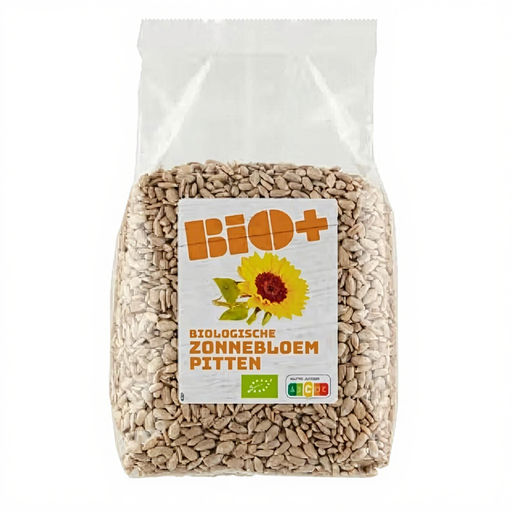
Why this fits the profile: A generous plain pack for anyone wanting to try the basics first or add sunflower seeds to dishes.
According to the product information, the ingredients list consists of sunflower seeds. This makes the flavour and composition easy to check.
500g content, plain and 0.15g salt per 100g according to the stated nutritional information.
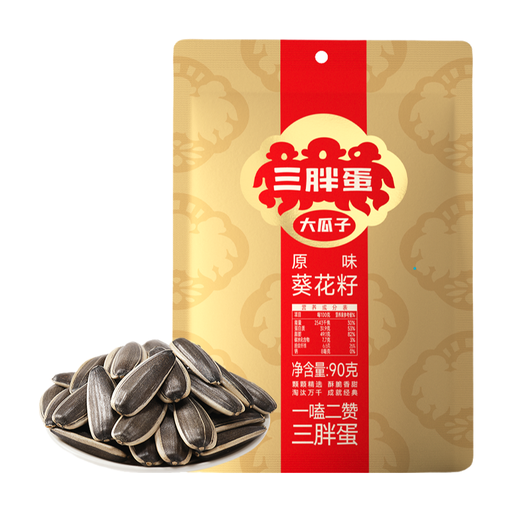
Why this fits the profile: For anyone looking for a smaller pack with an emphasis on seed size and a classic roasted flavour.
The 90g pack reduces the chance of a large supply staying open for too long.
According to the product information, the seeds come from Inner Mongolia; the pack states 24.2g protein and 5.5g fibre per 100g.
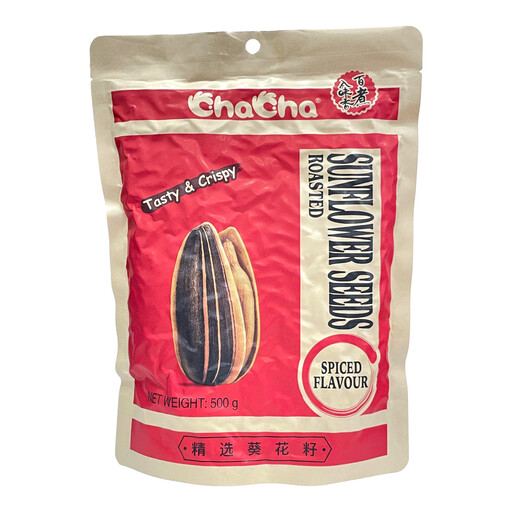
Why this fits the profile: A large size for fans of spiced Chinese sunflower seeds during long film nights or gatherings.
The ingredients list 94% sunflower seeds and the flavourings used, including liquorice and fennel.
500g content, 1.8g salt per 100g according to the product information and a distinctive spicy flavour.
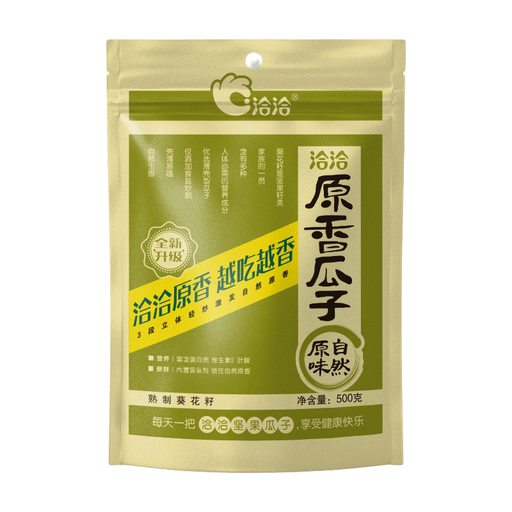
Why this fits the profile: The classic flavour and large pack suit shared snacking without any extra flavour layer or sweet coating.
The ingredients list is limited to sunflower seeds and salt, so you’re not buying caramel, coconut or milk ingredients without knowing.
500g content, 1g salt per 100g according to the stated nutritional information and an original flavour.
We’ve put together a full, up-to-date list of products that fully meet these strict selection criteria and comply with current European safety regulations.
Store an opened pack in a cool, dry place away from direct sunlight. Seal the bag tightly or use an airtight container. This limits moisture absorption and keeps the seeds crunchier for longer. Always follow the date and storage advice on the pack.
This varies by product, packaging and storage. Individually wrapped portions are practical when you’re not eating everything at once. With an opened large bag, it’s wise to consume the seeds in good time and check for a musty smell, soft texture or off flavour.
The product information for several varieties warns of a choking risk for children. So do not give sunflower seeds with the shell to young children, and be mindful of loose shells during snacking. Check the specific age and safety warnings on the label for each product.
