
Vandaag of morgen in huis

Kwaliteit gegarandeerd

Welkomstaanbiedingen ontgrendelen: GRATIS bezorging | Tot 80% korting | Gratis 30 dagen JoyPlus-proefperiode
Download de app
Roasted sunflower seeds are a popular choice for a film night, on the go, or with drinks at a gathering. Yet not all bags are the same. Some products contain mostly shell, others are heavily salted or have a pronounced flavour. A large pack can also be less practical if you don't eat the seeds quickly.
When comparing products carefully, you should therefore look beyond just the brand or packaging. Ingredients, flavour, net weight, allergen information and storage method all determine whether a product suits your needs.
A 500 g bag of sunflower seeds is practical for a family, a social occasion or regular snacking. For someone who eats seeds only occasionally, a smaller pack can be wiser. Once opened, roasted seeds can lose their crunchiness if the bag isn't sealed properly.
So look out for:
Salted sunflower seeds and seasoned sunflower seeds can vary greatly in their composition. Check the ingredients list and nutritional information per 100 g. Sweet varieties may have added sugar and sweeteners. Savoury varieties may rely heavily on salt and flavourings for their taste.
According to the product information, the ChaCha Cheese Flavor contains, among other things, cheese powder, sugar, salt, spices and sweeteners. The product contains milk and may contain traces of nuts, peanuts, soya, wheat and sesame. That makes the label more important than just the name "cheese flavour".
Many Chinese and Turkish sunflower seeds are roasted in the shell. This creates a different eating experience: you crack the shell with your fingers or teeth and eat only the kernel. Products such as Anatolia Dakota Ayçekirdeği and various ChaCha varieties are intended to be eaten this way.
So check before you buy:
With unsalted sunflower seeds you expect a short ingredients list. The Anatolia Dakota Ayçekirdeği Tuzsuz 240 g lists sunflower seeds and only a very small amount of salt. Always check the current packaging though, as recipes can change.
With seasoned sunflower seeds, extra ingredients are usually listed, such as liquorice, fennel, coconut, caramel, cheese powder or green tea. According to the product information, a pecan-flavoured product contains pecan and therefore falls under the allergen information for nuts.
Compare nutritional values on the same basis: per 100 g. This prevents a small portion from appearing more favourable due to the lower pack weight. An original variety, for example, may consist mainly of sunflower seeds and salt, while a coconut or caramel variety also contains sugar and sweeteners.
The ChaCha Caramel Flavor, for instance, lists 15.6 g of sugar per 100 g. The ChaCha Coconut Flavor 260 g states 15 g of sugar per 100 g. These are verifiable figures from the product information, but not a judgement on suitability: it depends on your taste and purchase purpose.
Choose a size based on when you'll be eating the snack:
According to ChaCha's own product information, some varieties are roasted for a crunchy texture. Treat this as a product description and after receiving, pay particular attention to the packaging, best-before date and storage instructions.
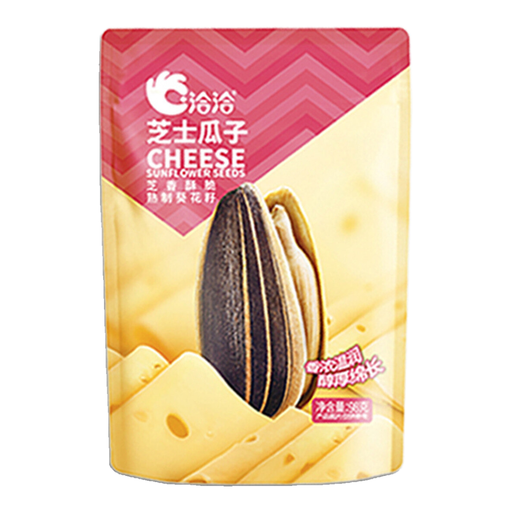
Why this suits the profile: The compact size makes it easy to try a seasoned variety without buying a large stock straight away. The cheesy flavour works well for snacking at home or during a film night.
The 108 g pack limits the risk of having too large a stock. The ingredients and allergens are clearly stated in the product information.
108 g per pack; cheese powder 0.5%; ready to eat straight away. Contains milk and may contain traces of several allergens.
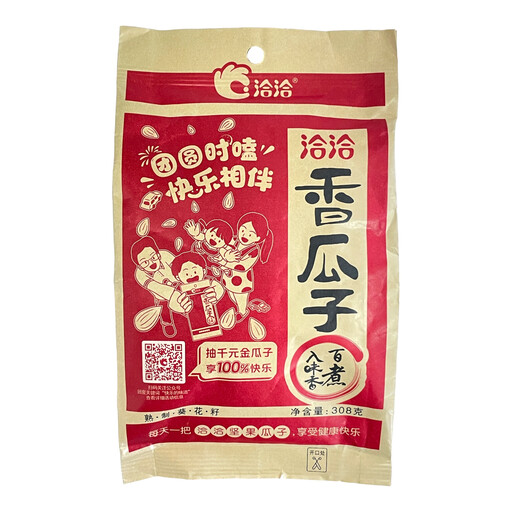
Why this suits the profile: These Chinese sunflower seeds are designed for fans of a distinctive five-spice profile and a larger sharing pack for visitors or a longer snacking evening.
The 308 g size is larger than an individual portion but smaller than a 500 g bag. The bag is resealable according to the product description.
308 g; sunflower seeds, salt and flavourings according to the product information; store in a cool, dry place.
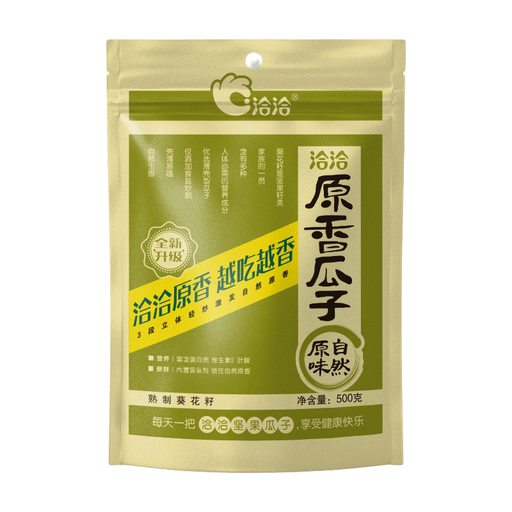
Why this suits the profile: The large size is practical for households, parties and fans who regularly enjoy a classic, salted sunflower seed.
The ingredients list is short: sunflower seeds and salt. This makes it clear upfront that you're not buying sweet flavourings or a complex spice mix.
500 g; 99.5% sunflower seeds according to the product information; ready to eat and suitable for sharing.
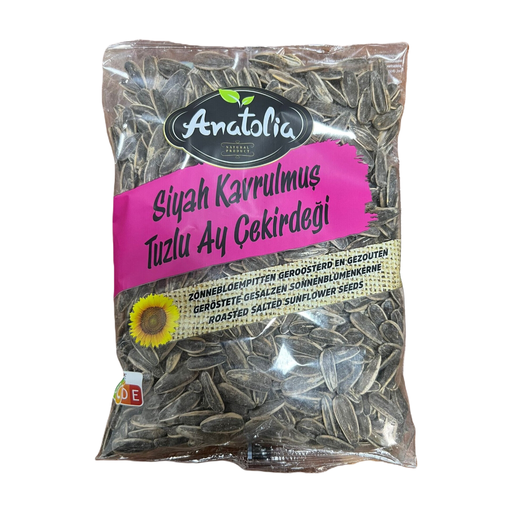
Why this suits the profile: These Turkish sunflower seeds are salted and roasted, with a size that's suitable for sharing or a longer snacking session.
The product name and ingredients make it clear that this is a salted variety. This prevents the flavour from being confused with unsalted sunflower seeds.
340 g; ingredients: sunflower seeds and salt; store in a cool, dry and dark place in a sealed pack.
We've put together a full, up-to-date list of products that fully meet these strict selection criteria and comply with current European safety regulations.
Both varieties are available. Look at the ingredients list: if only sunflower seeds are listed, it's usually an unsalted variety. If salt is listed, also check the amount per 100 g. Note that "tuzlu" generally indicates salted and "tuzsuz" indicates unsalted on Turkish products.
Store the bag in a cool, dry place away from direct sunlight. Seal a resealable pack carefully or use a well-sealed storage container. Preferably use the seeds before the best-before date on the pack and watch for changes in smell, taste or crunchiness.
Seeds in the shell can be a choking hazard. Always follow the warning on the packaging. With products in the shell, only the kernel should be eaten; the shell is not intended as an edible part.
