
Same-day & Next-day Delivery

Quality Guaranteed

Unlock Your Welcome Offers: FREE Delivery | Up to 80% OFF | Free 30-day JoyPlus trial
Download the APP
Roasted sunflower seeds are a popular snack for on the go, a film night or a get-together with friends. Yet packs often look more alike than what’s inside. If you only glance at the flavour name or the large size, you could end up buying a product that’s too salty, goes soft quickly, or isn’t ideal for sharing.
With this practical guide, you’ll focus on what really matters: ingredients, how you eat them, the packaging and the nutritional information. That way, you can compare salted sunflower seeds, seasoned varieties and Chinese sunflower seeds without being swayed purely by marketing claims.
A 450g or 500g bag might look appealing for a family or group of friends. However, once opened, the crunchiness can fade if the pack isn’t resealable. So check whether the product comes in individual portions or can be resealed. A smaller pack can be more practical if you only eat the snack occasionally.
Original roasted sunflower seeds often still contain salt. Always check the ingredients list and the stated salt content per 100g. A product with just sunflower seeds and a small amount of salt has a different flavour balance than a seasoned variety with sugar, sweeteners or flavour enhancers.
With sunflower seeds in their shells, you crack the outer layer first and eat only the kernel. For many enthusiasts, that’s part of the snacking ritual, but it takes more time and is less convenient during car journeys or at the office. Also check warnings for young children: whole seeds and shells can pose a choking hazard.
The base is sunflower seeds, but the additions define the character. Look out for these categories:
According to the brands’ own product information, certain preparation methods can contribute to a crunchy texture or an even flavour. Treat this as a product claim and compare the ingredients, packaging and nutritional values on the label.
For a one-off snack or trying a new flavour, packs of around 90g to 200g are manageable. For a family, film night or guests, sizes from 340g to 500g are more suitable. Individual sachets can be handy for sharing and storing, while a large bag usually uses less packaging material per gram.
Pay attention to storage advice: most varieties should be kept cool, dry and away from direct sunlight. Seal an opened pack well to limit moisture absorption. Do not use any product where the packaging is damaged.
The nutritional values per 100g allow for a fair comparison. In the product data, salt levels vary clearly: some original varieties list very little salt, while cheese or spicy flavours can contain significantly more. For example, the ChaCha Cheese Flavour states 3.7g of salt per 100g according to the product information, whereas the ChaCha Original Flavour Large Sunflower Seeds lists 0.02g.
Sugar content also differs. Caramel and coconut flavours are generally sweeter than original seeds. Also look out for allergens such as milk, pecan and other nuts. “May contain traces” means that cross-contamination during production cannot be ruled out.
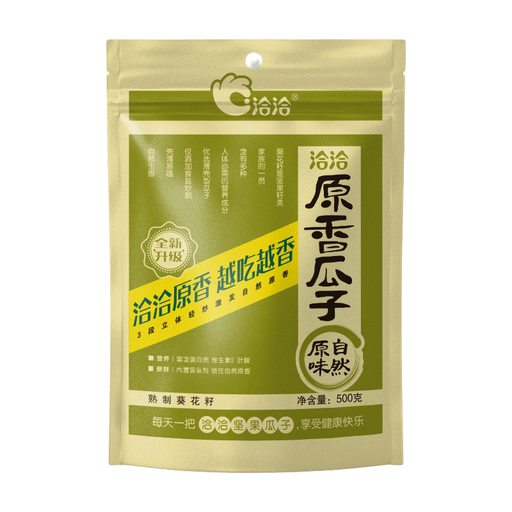
Why this fits the profile: The large size is suitable for home use and sharing. The original flavour is an easy introduction to roasted sunflower seeds.
The ingredients list is short: sunflower seeds and salt. This makes the flavour easier to predict than with heavily flavoured varieties.
500g net weight, ready to eat and, according to the product data, 30g of protein per 100g.
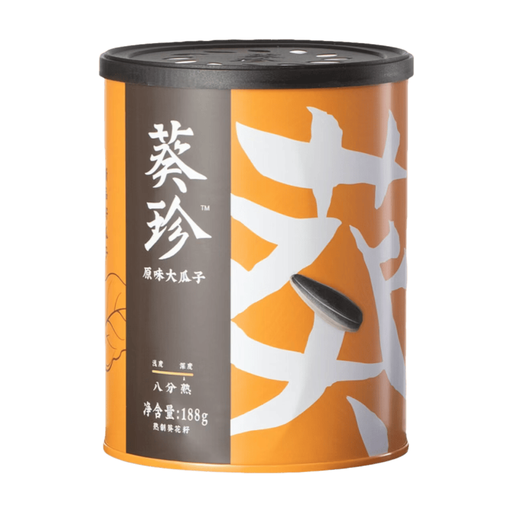
Why this fits the profile: The tin packaging and large seeds suit those who care about presentation, size and a consistent snacking routine.
The packaging reduces the risk of an opened bag being left open. The product information lists 99.5% sunflower seeds and salt as ingredients.
188g, original flavour, tin packaging and a stated kernel content of 80%.
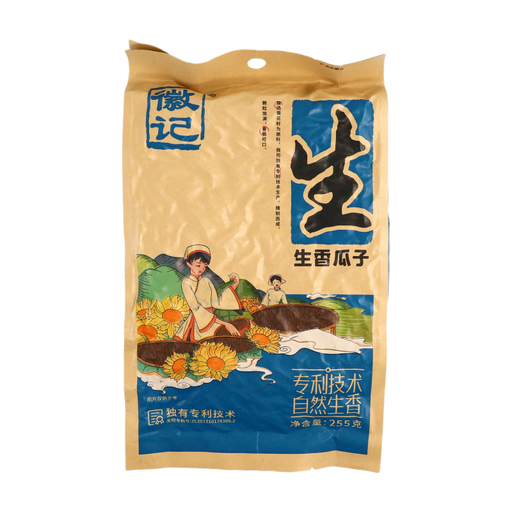
Why this fits the profile: The individual small packs are practical for taking with you, portioning and handing out during a trip, workday or gathering.
Individual packs reduce the chance of the whole bag being exposed to air and moisture at once. The shell is not edible; only the kernel is consumed.
255g, salt content of 1.5g per 100g according to the product information and small portion packs.
We’ve put together a full, up-to-date list of products that fully meet these strict selection criteria and comply with current European safety regulations.
Yes, roasted sunflower seeds in their shells are generally ready to eat straight away. You crack the shell with your teeth or fingers and eat only the kernel. Discard the shells and be mindful of warnings for young children.
Store the seeds cool, dry and well sealed, away from sunlight, heat and moisture. Always check the specific instructions on the pack. It’s best to consume the product promptly after opening, as the texture can otherwise become less crunchy.
An original or lightly salted variety is usually the easiest to judge, because it contains fewer flavourings. If you enjoy trying new flavours, you can then choose mandarin peel, coconut, caramel, cheese or green tea. Compare the salt, sugar and allergen content beforehand to make a suitable choice.
