
Vandaag of morgen in huis

Kwaliteit gegarandeerd

Welkomstaanbiedingen ontgrendelen: GRATIS bezorging | Tot 80% korting | Gratis 30 dagen JoyPlus-proefperiode
Download de app
Roasted sunflower seeds are a popular crunchy snack for a film night, at a party or simply between meals. Yet many packs look more alike than they really are. One variety may be heavily salted, while another contains sugar, sweeteners or spices. Pack size also affects whether the seeds stay crunchy after the bag has been opened.
So if you are looking to buy sunflower seeds, it is worth looking beyond the flavour shown on the front. Pay particular attention to the ingredients, nutritional values, allergens, pack size and storage advice.
“Caramel”, “spiced” or “tangerine peel” may sound self-explanatory, but the ingredients can vary considerably. A sweet variety may contain sugar, brown sugar and sweeteners, for example. Salt levels also differ between salted sunflower seeds.
Always compare the nutritional values per 100 grams. This makes different packs easier to compare than a serving size, which can vary from one brand to another.
A 450 or 500-gram bag can be useful for a family or a party. For one person, however, the contents may remain open for longer, allowing the roasted sunflower seeds to absorb moisture and lose their crunch. A smaller pack or individually wrapped portions may therefore be more practical, even if the price per gram is higher.
Most varieties are sold in their shells. The shell is not edible and must be removed. Also check whether the packaging carries a warning about possible traces of nuts, gluten, peanuts or milk. Special flavours may also contain sweeteners, flavourings, spice blends or other additives.
For a simple snack, you can choose a product made mainly with sunflower seeds and salt. The Anatolia variety, for example, contains sunflower seeds and salt; another Anatolia pack also lists flour as an ingredient. Always check the label on the exact pack you are buying.
If you are looking for more variety, you may find:
A flavour name is not a quality rating. Treat it mainly as an indication of the flavour profile, then check the ingredients list.
For salted sunflower seeds, the salt content is an important point of comparison. The supplied product information, for example, lists 1 gram of salt per 100 grams for ChaCha Original Roasted Sunflower Seeds 500g, while a 240-gram Anatolia variety lists 3 grams of salt per 100 grams. That is a noticeable difference if you eat several portions.
For sweet varieties, the sugar content is relevant. The 450-gram ChaCha caramel variety lists 15.6 grams of sugars per 100 grams. The 260-gram coconut variety lists 15 grams of sugars per 100 grams. Other caramel packs give a different composition, so always check the specific product page and packaging.
The stated energy values for many roasted sunflower seeds are around 580 to 650 kcal per 100 grams. This is partly due to the fat content of sunflower seeds. These figures are not a recommended serving size, but they do help you compare products objectively.
A resealable bag, tin or individual inner pack can help preserve the texture for longer. Once opened, the product information generally advises sealing the packaging properly and storing the seeds in a cool, dry place away from direct sunlight.
For some packs, look out for a moisture absorber or oxygen absorber. This is not edible and should remain in the packaging until you throw the snack away. Also check the best-before date on the actual pack.
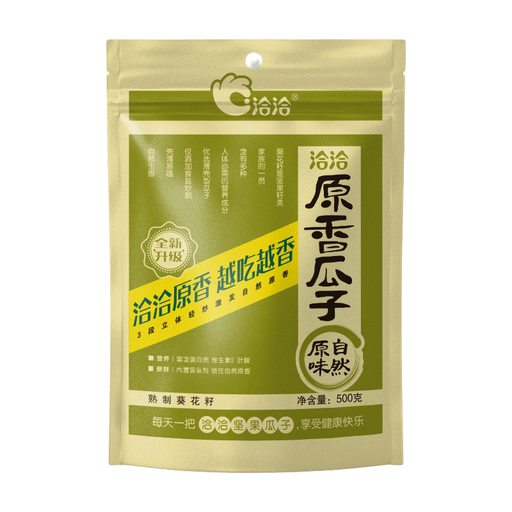
Why it suits this profile: The 500-gram pack is suitable for families, parties or anyone who regularly wants to serve a simple sunflower seed snack.
The flavour is clearly described as original, and the ingredients list names sunflower seeds and salt, without a complex flavour coating.
500-gram pack; 619 kcal and 1 gram of salt per 100 grams according to the product information; ready to eat.
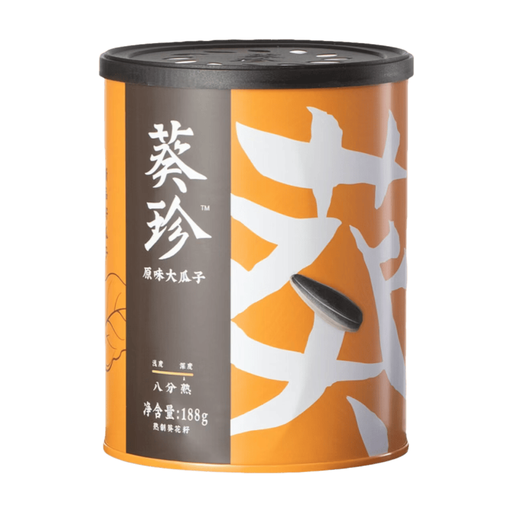
Why it suits this profile: The tin is ideal for a relaxed snack, with tea or for sharing at a gathering without opening a large bag straight away.
The product information lists 99.5% sunflower seeds and a very low stated salt content of 0.02 grams per 100 grams.
188 grams in a tin; 26.4 grams of protein per 100 grams according to the label; original flavour with salt.
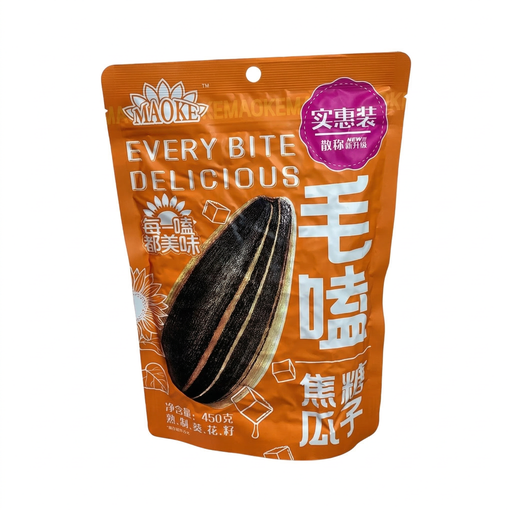
Why it suits this profile: This large pack is designed for fans of a sweet snack variety and for occasions when several people want to share.
The product page clearly lists sugar, maltodextrin, salt and sweeteners. This allows you to consciously weigh up the sweet flavour against a savoury alternative.
450-gram pack; caramel flavour; individually wrapped portions according to the product description; 15.6 grams of sugar per 100 grams.
We have compiled a complete, up-to-date list of products that fully meet these strict selection criteria and the applicable European safety regulations.
Yes. The products mentioned are ready to eat. For varieties with shells, you should eat only the kernel; the shell must be removed. Discard a product if the packaging is damaged or if the contents smell or taste different from expected.
Store the seeds in a cool, dry place away from direct sunlight. Seal a bag, tin or inner pack properly to keep moisture out. This is particularly important for crunchy roasted sunflower seeds. Always check the exact shelf life on the packaging, as the date may vary between production batches.
Packs of 450 to 500 grams are practical for several people. Choose an original or salted variety if you prefer a savoury flavour. For more variety, consider spiced sunflower seeds, Chinese sunflower seeds with caramel flavour or coconut sunflower seeds. Compare the ingredients and nutritional values beforehand, especially if the product contains sugar, sweeteners or a higher salt content.
