
Vandaag of morgen in huis

Kwaliteit gegarandeerd

Welkomstaanbiedingen ontgrendelen: GRATIS bezorging | Tot 80% korting | Gratis 30 dagen JoyPlus-proefperiode
Download de app
Looking for a snack that's a unique alternative to the usual crisps or party nuts? Roasted sunflower seeds, a popular snack in many Asian countries, might be just what you're looking for. They come in all sorts of varieties: from classic salt to surprising flavours like caramel or walnut.
The selection can be overwhelming. That's why we at Joybuy have curated a list of popular choices. In this article, we'll guide you with practical tips and highlight some standout products to help you make an informed decision.
Before making a choice, it's helpful to consider a few factors. This will help you find the sunflower seeds that best suit your taste.
The most traditional variety is salted sunflower seeds. These have a pure, nutty flavour that is enhanced by roasting. Additionally, there is a growing range of flavoured sunflower seeds. Think of sweet varieties with caramel, or savoury options with spices or a walnut flavour. If you're trying Chinese sunflower seeds for the first time, a classic salted variety is a great starting point. If you're more adventurous, a unique flavour is well worth a try.
Brands like ChaCha sunflower seeds and Dahaoda are very well-known in Asia and are recognised for their consistent quality. These brands have years of experience in roasting and flavouring seeds. Choosing a well-known brand can be a good indicator of the taste and quality you can expect.
Roasted sunflower seeds are available in various sizes. Smaller bags of around 100 grams are ideal for trying a new flavour or for a snack on the go. Larger packages of 400 or 500 grams are often more cost-effective and convenient if you want to share with family and friends, or if you've already found a favourite.
Based on product specifications and popularity, we've rounded up a few recommendations for you.

Why It Stands Out: A sweet and crunchy variety that combines the classic sunflower seed with a rich caramel flavour.
Pros:
Who Is This For? For snack lovers who enjoy a sweet and savoury combination and want to try something different from the traditional salted variety.
View DahaoDa Caramel Flavored Sunflower Seeds on Joybuy

Why It Stands Out: The classic from one of the most famous brands, roasted for a pure and authentic taste.
Pros:
Who Is This For? Perfect for purists who appreciate the authentic taste of roasted sunflower seeds and for families looking for a large package to share.
View ChaCha Original Roasted Sunflower Seeds on Joybuy
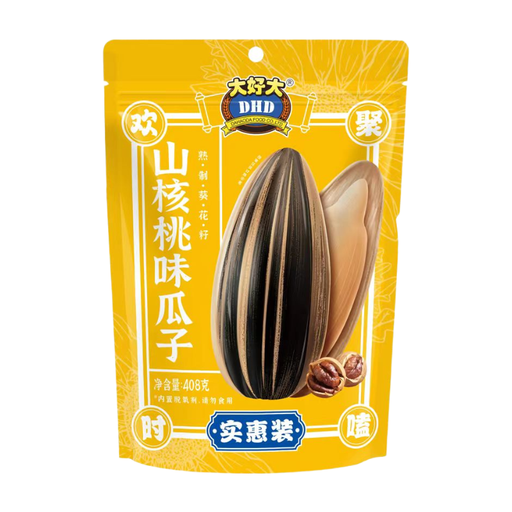
Why It Stands Out: A unique savoury flavour reminiscent of walnuts, for a deeper, richer taste experience.
Pros:
Who Is This For? For the adventurous snacker looking for a deep, umami-rich flavour who isn't afraid to try something new.
View DaHaoDa Walnut Flavor Sunflower Seeds on Joybuy

Why It Stands Out: A surprising combination of sunflower seeds with the refined taste of green tea and matcha.
Pros:
Who Is This For? For those who love the taste of green tea and are looking for a light, refined snack.
View QiaQia Tea-Skin Sunflower Seeds on Joybuy
This selection is just a starting point. There are many more flavours and varieties to discover in the world of Asian snacks. If your ideal flavour isn't here, or if you're simply curious about the full range, you can explore more options.
The most common way is to place the seed between your teeth and bite the shell open. You then eat the kernel (the seed) and spit out the shell. The shell is not meant to be eaten. It might take some practice, but you'll get the hang of the technique after a few tries.
You can buy sunflower seeds at specialised Asian supermarkets and online stores like Joybuy. Online, you'll often find the largest and most diverse selection, from classic salted seeds to more unique flavours.
Roasted sunflower seeds consist mainly of the sunflower kernel itself, often with added salt, sugar, or other spices for flavour. The nutritional value varies by product, but they generally contain a significant amount of fats (mostly unsaturated), protein, and a smaller amount of carbohydrates. for the exact nutritional information, it's best to consult the label on the specific product's packaging.
