
Making small batches of thick dips
You want to blend a small amount of roasted pepper and adjust the texture to your liking. Compare a hand blender with a bowl that suits the quantity you’re making.


For a small, thick batch, a hand blender used in a suitably sized bowl is a sensible choice. For a larger batch to share, compare the usable capacity of blender jugs. Also consider how you can adjust the texture, and always check the manual for the exact model when blending warm peppers: a mention of warm preparations does not automatically mean it is safe at every temperature.
You want to blend a small amount of roasted pepper and adjust the texture to your liking. Compare a hand blender with a bowl that suits the quantity you’re making.
You want to make enough dip for a meal to share. Check the jug’s usable capacity, not just its total capacity.
You may want to blend the peppers straight after roasting. If so, check the temperature limits and instructions for the exact appliance.
The NVWA states that electrical consumer appliances sold in the Netherlands must carry a CE marking. Check the exact appliance and follow the model-specific instructions for use and temperature.
| What to consider | What to look for | Who is this important for? |
|---|---|---|
| Small, thick batches | Compare the bowl, speed control and guidance for thick mixtures. | If I want to blend a small quantity and adjust its thickness as I go, a hand blender with a suitable bowl may be a better fit for how I use it. Around 40% of consumers say small, thick batches are their main consideration. |
| A batch for several people | Compare the jug’s usable capacity with the volume of your recipe. | For a meal to share, I want to be able to make enough dip in one batch. Around 30% of consumers focus mainly on usable capacity for a larger batch. |
| Warm ingredients | Check the model’s manual for temperature, fill limits and lid instructions. | If I want to blend the peppers while they’re still warm, I need to know the limits for my appliance before I start. Around 20% of consumers give processing warm ingredients top priority. |
| Cleaning | Check which parts can be removed and are dishwasher-safe. | After making a thick dip, I want to know which parts I can safely remove and how to clean them. Around 10% of consumers focus mainly on ease of cleaning. |
For the Tefal PerfectMix+ BL871D31, Tefal states a jug capacity of 2 litres and a usable capacity of 1.5 litres. Your recipe needs to fit within that usable capacity.
Compare the usable capacity of the exact model with the amount of dip you want to make.
If your batch doesn’t fit, you may need to blend it in several batches.
The Consumers’ Association mainly associates power blenders with tougher jobs, such as crushing ice. Wattage alone doesn’t tell you how an appliance will handle your thick dip.
Start by choosing based on batch size, the texture control you want and the type of blending container.
A general description doesn’t tell you the temperature and fill limits for the exact model.
Check the manual before blending warm peppers and follow the stated limits.
Bosch hand blenders may suit you if you want to blend a smaller batch in your own bowl.
Tefal offers examples here of both a larger jug blender and a compact blender with blending bottles.
The MultiQuick 7 MQ7025X is a hand blender with variable control and accessories included.
The Pro 900 NB904CP is a personal blender worth comparing if you usually make small batches.
This selection includes hand blenders for blending in your own bowl, as well as jug blenders for small or shareable batches. Check the instructions supplied with each model for use and temperature.
 No image available
The usable capacity of 1.5 litres may suit a larger batch for several people.
Features listed: 1200 W, speed control, pulse function and removable blades. The product description says the glass jug is dishwasher-safe; follow the manual when using warm ingredients.
 No image available
The stated working capacity of 1.5 litres is worth considering if you want to make a larger batch for the table.
Features listed: 1000 W, three speeds, a pulse function and removable blades. The product information says ingredients should not be processed above 80 °C.
 No image available
A hand blender may suit you if you want to blend a smaller amount in your own bowl.
Features listed: 800 W, 20 speeds, a turbo function and splash protection. The product description mentions blending, sauces and thick soups.
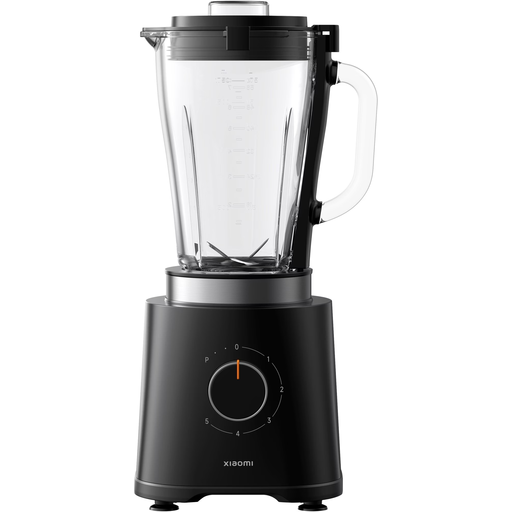 No image available
The stated jug capacity may be useful if you’re making dip for several people.
Features listed: 1.75-litre glass jug, five speeds, pulse function and six stainless steel blades. The product description mentions sauces and spreads.
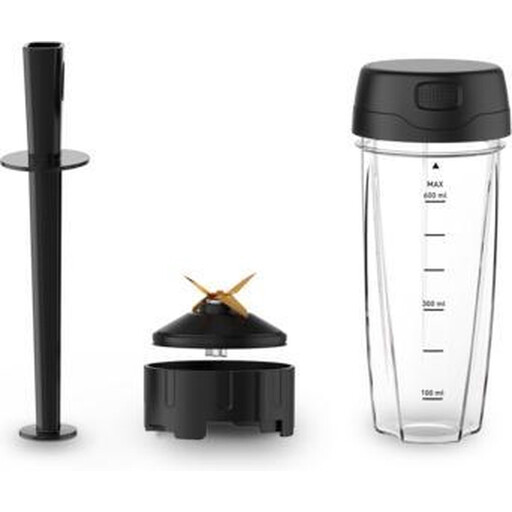 No image available
The product description mentions dips and hummus; the 1.75-litre jug is designed for larger batches.
Features listed: 1600 W, 35,000 rpm and manual speed and time control. Let warm ingredients cool first before blending.
Not specifically for this use. According to the Consumers’ Association, a standard blender is suitable if you don’t need special features; power blenders are mainly useful for tougher jobs, such as crushing ice. For dip, first compare batch size and how well the blender handles a thick mixture.
No, don’t assume that you can. Tefal says the jug of the BL871D31 is suitable for hot and cold preparations, but the product description doesn’t give a general temperature limit. Follow the manual for the exact model, including instructions on temperature, filling and closing the jug.
Only remove parts that the manual says are detachable. Tefal lists removable blades and a dishwasher-safe glass jug for the BL871D31; cleaning instructions may vary by model.
Yes. The NVWA states that CE marking is required for electrical consumer products. The marking is the manufacturer’s declaration that the product meets the applicable European requirements; it doesn’t prove that a specific appliance has been independently tested for making pepper dip.
Cover and cool leftovers, then refrigerate them within 2 hours of making the dip. Set your fridge to 4 °C. This is the Netherlands Nutrition Centre’s storage advice; also take the ingredients and their individual storage guidance into account.