
Small lunch portions
You usually roast carrots for one or two lunchboxes and want an oven and baking tray that suit your portion size and kitchen.


For one or two lunch portions, a compact freestanding fan oven is a sensible place to start. If you often prepare several portions, focus on the usable baking tray space and the oven’s external dimensions. A built-in oven or combination model is only really worthwhile if you’ll also use its space or extra features for other dishes; Milieu Centraal points out that a larger oven uses more energy. If you’re saving roasted carrots for later, let them cool promptly and store them in the fridge, as advised by the Netherlands Nutrition Centre.
You usually roast carrots for one or two lunchboxes and want an oven and baking tray that suit your portion size and kitchen.
You make several portions at once and consider the baking tray space, cleaning and chilled storage after cooking.
You want to use the fan setting for other baking or reheating tasks too, so you’re factoring built-in space or combination functions into your choice.
First, work out how many carrots you usually roast at once and how much space you have for them. Then consider whether you’ll use the oven for other dishes, and compare energy consumption on a like-for-like basis.
| What to consider | What to look for | Who should pay particular attention? |
|---|---|---|
| Size for small portions | Check the baking tray space and external dimensions; the capacity in litres doesn’t tell you how many carrots will fit on one tray. | If you usually fill one or two lunchboxes, you’ll want an oven that suits your portion size and kitchen. Around 33% of consumers prioritise a size suited to small portions. |
| Space for several lunches | Check the dimensions of the supplied baking tray and the oven’s external dimensions, not just its capacity in litres. | If you prepare several lunches at once, the space available per batch matters, and the appliance needs to fit on your worktop too. Around 27% of consumers have this need in particular. |
| Other cooking tasks | Check that the exact model has a fan setting and consider whether you’ll really use any extra features or built-in installation. | If you want one appliance for roasting and other baking or reheating tasks, you can weigh up its functions and installation requirements. Around 20% of consumers prioritise this versatility. |
| Energy use and cleaning | For ovens with an energy label, compare consumption per cycle on the same basis; also check whether any parts can be removed. | If running costs and cleaning matter more than extra capacity, energy use and accessible parts are important. Around 20% of consumers start with these considerations. |
The capacity doesn’t tell you how many carrots will fit on the baking tray. So an oven with enough litres can still be awkward for the amount you want to cook in one batch.
For the exact model, check the baking tray dimensions and external dimensions as well as the stated capacity.
If your portion doesn’t fit comfortably on the tray, you may need to cook it in an extra batch.
An energy label is intended for comparing ovens of a similar size. According to Energielabel.nl, small or portable ovens don’t have an energy label; the stated power rating alone won’t tell you how much energy one lunch portion uses.
Start by choosing a size that suits how you’ll use it. Then compare the available energy-use figures on the same basis, and don’t estimate the cost per portion from wattage alone.
Prepared carrots need to be stored properly after cooking too. The Netherlands Nutrition Centre advises not leaving leftovers out of the fridge for more than two hours.
Allow time for the carrots to cool and store them in the fridge until you take your lunch with you.
Freestanding fan ovens in a range of sizes, including models 112751 and 112754.
Freestanding ovens for those who want to prepare several portions or different dishes without needing built-in space.
Built-in ovens for those with a suitable housing unit who also want to use the appliance for other baked dishes.
Combination appliances for those looking for microwave and grill functions as well as baking.
These picks include compact freestanding ovens, a larger freestanding oven, a built-in oven and a combination microwave with a fan oven function. For your lunch portion, focus on the available baking space and consider whether you’ll also use any extra functions or built-in space for other dishes.
 No image available
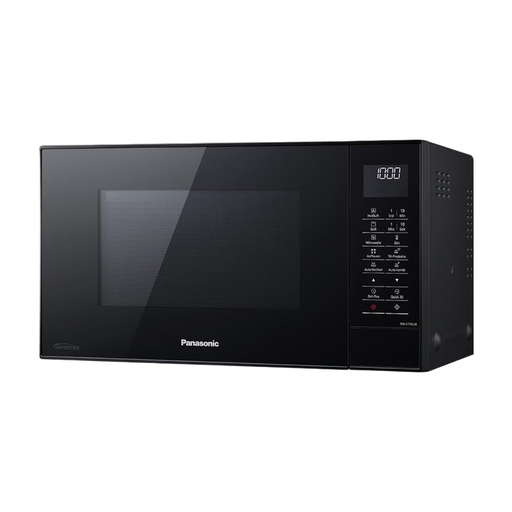
Suited to anyone looking for microwave and grill functions as well as fan oven cooking.
27 L capacity; 1000 W microwave; grill and convection functions; inverter technology.
 No image available
A compact freestanding option to consider if you’re looking for a smaller oven; check that the cooking space suits your portion.
 No image available
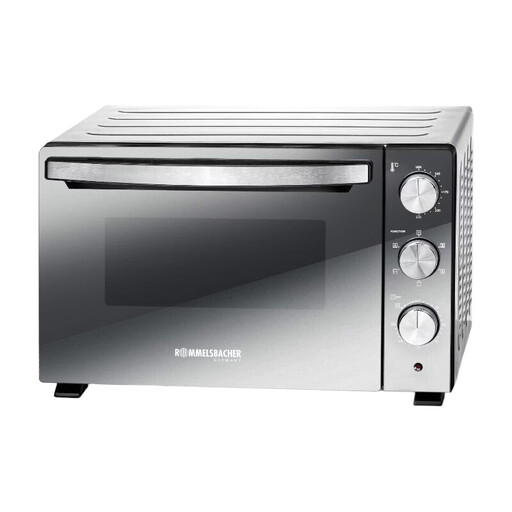
An option for anyone who wants to use a grill function as well as bake.
Manual cleaning is required.
 No image available
Suited to anyone looking for a built-in oven with a suitable housing unit; its stated capacity is generous for a small lunch portion.
66 L capacity; five cooking programmes; ecoClean self-cleaning; rapid preheating.
 No image available
A larger freestanding option to consider if you need more space for preparing different dishes.
45 L capacity; 2000 W.
In a roasted vegetable recipe, the Netherlands Nutrition Centre recommends slicing the carrot and spreading the vegetables with oil over a baking tray. In that recipe, the tray goes into a preheated oven at 200 °C for 20–25 minutes. This is an example recipe for a mix of vegetables; cooking time may vary depending on the oven and the size of the pieces.
Cool the carrots quickly, store them in a sealed container in the fridge and don’t leave them out of the fridge for more than two hours. The Netherlands Nutrition Centre says leftovers will keep for two days in the fridge and recommends a fridge temperature of 4 °C. Using the oven function doesn’t replace chilled storage.
Where an energy label is available, compare the consumption in kWh per cycle for the function you’ll use. Energielabel.nl states that small or portable ovens don’t have an energy label. The stated power rating alone doesn’t tell you the energy use per lunch portion.
When you buy online from a business, you’ll often have a 14-day cooling-off period, according to the Dutch Government; exceptions and the circumstances of the sale matter. If the product is faulty, your consumer rights apply alongside any manufacturer’s warranty. The Dutch Government explains that, in certain cases, the seller must prove that the consumer caused a fault if it occurs in the first year.