Who is this choice for?

Filming close-ups with true-to-life colour

You want to show the colours and fine details of stamps as consistently as possible in window light. Assess the footage under your own lighting setup; Adobe Lightroom explains how a mix of window and indoor light can affect colour and tonal range.

Filming shiny or textured items

If a protective sleeve reflects light or you want to show texture, the direction of the light can matter more than a central light around the lens. The Canadian Conservation Institute shows how different lighting angles can reveal features of heritage objects.

Filming with a fixed tabletop setup

You want to be able to place your phone, light and work surface in the same positions each time. Check that the mount and tripod suit your preferred filming angle: a phone holder included in the box does not guarantee a straight-down shot.

What should you look for when choosing?

Ring light with a fixed camera or phone position

A good fit when: you film the same small area each time and want even, central fill lighting.

Trade-off: frontal light can cause glare or reduce the appearance of texture. Also check whether the camera and light together can achieve the overhead angle you want.

Moveable panel or diffused side lighting

A good fit when: you want to move reflections out of shot or bring out the texture of the paper.

Trade-off: you’ll need to position the light separately and check with a test shot that the shadows aren’t distracting. The tripod and diffuser may vary between versions.

Window light with a little extra lighting

A good fit when: the window light is suitable and you only need a small amount of fill lighting.

Trade-off: mixing daylight and artificial light can change colour and tonal range. Make a test clip and avoid exposing delicate paper items to light unnecessarily.

What to consider What to look for when buying Who is this important for?
Colour and detail in window light Check whether the exact model is dimmable and what colour temperatures are specified. Make a test clip using the window and light settings you plan to use; mixed lighting can affect colour and tonal range (Adobe Lightroom). If I want to assess fine details and colours in my guide, I first want to see how my own window light affects the footage. Colour and detail would be the top purchase priority for around 29% of consumers.
Reflections or visible texture Check whether you can tilt the light or position it away from the lens. Test your chosen angle with the stamp and any protective sleeve; different lighting angles can bring out shine and texture in different ways (Canadian Conservation Institute). If light reflects off a sleeve or I need to keep texture visible, I want to be able to move the light. Reflections and texture would be top priorities for around 29% of consumers.
Stable overhead mounting Compare the phone width, mount, tilt, tripod type and full kit contents with your tabletop setup. Test whether you can actually achieve the camera angle you want. If I want to take the same overhead shot each time, my phone and light need to fit together securely. A repeatable tabletop setup would be the main priority for around 24% of consumers.
Light exposure for your collection Choose adjustable lighting if you want to limit the intensity, keep delicate items out of direct sunlight and put them away after filming. The Canadian Conservation Institute warns that natural and artificial light can damage paper; it does not give a universal safe filming time. If I’m filming delicate stamps, I don’t want to expose them to light for any longer than necessary. Limiting light exposure would be the main purchase priority for around 18% of consumers.

Things to watch out for when buying

  • Assuming a high CRI guarantees accurate stamp colours

    CRI ratings apply to specific models. Changing window light combined with LED lighting can still affect the colours in your footage.

    Assess a test shot in the lighting conditions you plan to use for filming your guide, rather than comparing specifications alone.

  • Assuming a ring light will prevent reflections in macro shots

    The lighting angle affects how shine and surface texture appear on camera. Central frontal lighting and side lighting don’t always serve the same purpose.

    Also take a test shot with the light positioned away from the camera axis, especially when filming stamps in protective sleeves or shiny items.

  • Assuming every holder is a complete overhead filming kit

    The holder, tripod and mounting options vary by model and version. The product specifications don’t prove that your preferred camera angle will work on your table.

    Before buying, check the exact package version, your device’s dimensions and the mounting options. Depending on the version you choose, you may need a separate tripod or a suitable mount.

Relevant brands

NEEWER

The brand provides information on both ring lights and separately adjustable LED panels for different setups.

  • For the RL-18 kit, the manufacturer lists a tripod, phone holder and dimming control. According to NEEWER, the NL660 has a rotating bracket and diffuser.
  • The tripod supplied with the NL660 depends on the version. Neither product’s specifications prove that reflections on a stamp will disappear.

Rollei

The LUMIS Comfort Bi-Color is a ring light kit with a phone holder, for anyone looking to try a fixed setup.

  • According to Rollei, this version has three colour modes, ten brightness levels, a tilting ring and a tripod.
  • The colour modes won’t automatically tell you whether reflections are acceptable in your overhead footage; check with a test clip.

Godox

The LR150 Air is a modular, moveable ring light option. The LR15Bi and LR30Bi are other compact models.

  • For the LR150 Air, Godox lists features including a replaceable battery grip and various mounting options.
  • Check the exact kit contents and power supply. The manufacturer’s specifications are not an independent assessment of colour, heat or suitability for delicate stamps.

Ulanzi

Ulanzi describes ring lighting for uses including macro and video, and explains how it differs from compact phone lighting.

  • According to Ulanzi, a fixed ring light setup is best when the camera and subject stay in the same place. A moveable phone light gives you more freedom to position the light away from the camera axis.
  • This is information from the manufacturer, not an independent comparison of the lights shown. Test the lighting angle with your own stamp setup.

Lighting at Joybuy

These products are suited to phone video, a fixed ring light setup or moveable side lighting. For each model, check whether the mount and lighting settings suit your filming angle.
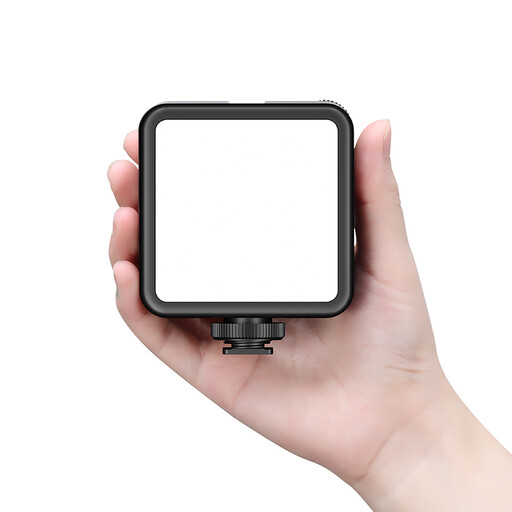
Ulanzi VL81 rechargeable LED video light, black

Ulanzi VL81 rechargeable LED video light, black

A moveable light for video and product photography; the product description mentions adjustable brightness and colour temperature.

Rechargeable, with a USB-C connection and cold shoe mount. The stated colour temperature is adjustable from 3200–5600 K.

View at Joybuy
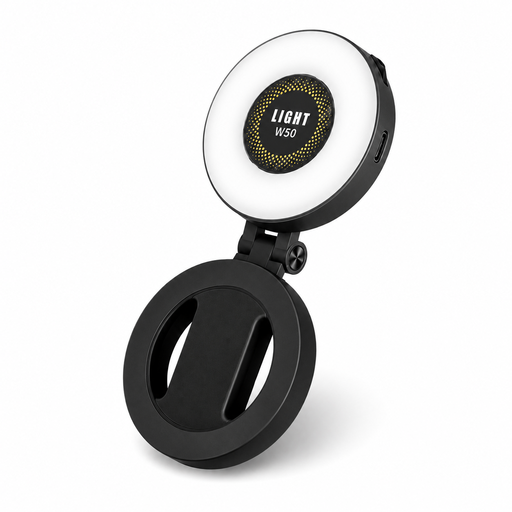
VoxorAI M28 black fill light with magnetic mount

VoxorAI M28 black fill light

A compact phone light for photos and video; the description mentions a magnetic mount.

The product listing mentions a 360° LED light strip, three colour temperatures and stepless dimming. A metal adapter ring is listed for devices without MagSafe.

View at Joybuy
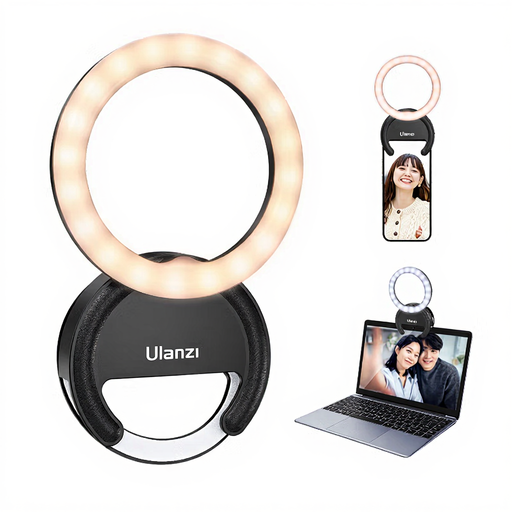
Ulanzi 4-inch phone ring light

Ulanzi 4-inch phone ring light

A ring light for phone video if you want to try a fixed, central lighting setup.

The product title lists three colour temperatures from 3000–7000 K and five brightness levels.

View at Joybuy
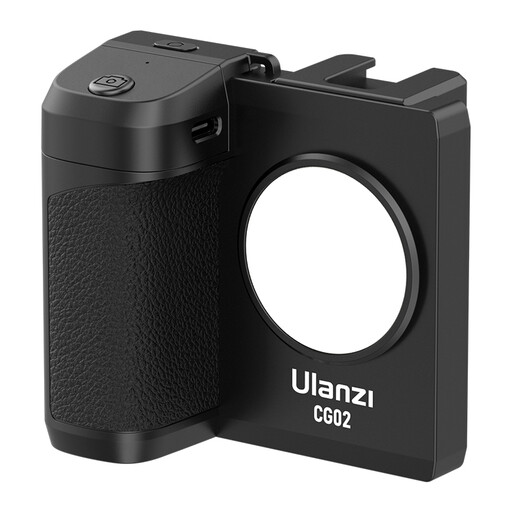
Ulanzi CG02 smartphone holder with dimmable light and remote control

Ulanzi CG02 smartphone holder with light

A phone holder with integrated lighting for filming by yourself; check whether it lets you achieve the camera angle you want on your table.

The product title lists three dimming levels and a remote control. The stated compatibility includes iPhone and Android phones.

View at Joybuy

Frequently asked questions

Does the ring light have to sit exactly around the camera lens?

No, not for every shot. Central lighting can illuminate a flat subject evenly, but a different lighting angle may be more useful if you want to avoid reflections or show texture. Compare a short test shot with the light in a central position and then to the side.

How do I combine window light and LED lighting?

Make a test clip with both light sources in the setup you plan to use, then check the colour and detail before filming your full guide. A mix of daylight and indoor light can affect colour and tonal range. Adjustable lighting gives you more control, but it can’t guarantee consistent colour when the window light changes.

Can I leave a stamp under the light for a long time?

Avoid unnecessary exposure. The Canadian Conservation Institute warns that natural and artificial light can damage works on paper, and that this damage is irreversible. The source does not set a safe filming time for every stamp.

What do the cooling-off period and guarantee mean when buying online in the Netherlands?

According to the Dutch government, many consumer purchases made remotely come with a 14-day cooling-off period, although there are exceptions. You are also entitled to a product that works properly; if there is a fault, the seller must provide a solution. Check the terms that apply to your specific purchase.

Is CE marking relevant for a ring light?

Check which EU product rules apply to the specific light and any power supply. According to Your Europe, CE marking is required when the relevant harmonised EU rules specify it; a mention on a sales page does not in itself confirm that the specific product meets all the requirements.
