
Vandaag of morgen in huis

Kwaliteit gegarandeerd

Welkomstaanbiedingen ontgrendelen: GRATIS bezorging | Tot 80% korting | Gratis 30 dagen JoyPlus-proefperiode
Download de app
A 10 kg bag of rice may seem like a particularly economical purchase at first glance. However, choosing the wrong type can leave you with rice that is too sticky, too dry or unsuitable for your dish. This is especially frustrating when buying in bulk for a household, catering business or restaurant.
The main pitfalls:
The grain largely determines how the rice behaves after cooking.
For most of the products mentioned, the ingredients list consists of 100% rice. That does not mean every pack has the same characteristics. Pay attention to:
For example, Hanako Short Grain Japonica Rice is stated to come from Vietnam and may contain traces of cereals containing gluten. Other products specifically state that they do not contain any of the 14 main EU allergens. Always use the label on the packaging you receive as your reference.
A bulk pack requires a permanent storage space. Store rice somewhere cool and dry, away from direct sunlight. Seal the bag securely after opening or use a clean, airtight storage container. This helps limit exposure to moisture, odours and pests.
The preparation method varies by type. According to the product description, Homare Japanese Rice recommends rinsing the rice gently two or three times, soaking it for 30 minutes and using approximately 1 part rice to 1.2 parts water. For Xiang Na Lan Thai Hom Mali Rice, a ratio of 1 to 1–1.2 is stated, along with 15 minutes of soaking and 10 minutes of resting after cooking.
Use these instructions as a starting point, but adjust the amount of water to suit your rice cooker, pan and preferred texture. A 10 kg pack is less practical if you do not have suitable, dry storage space.
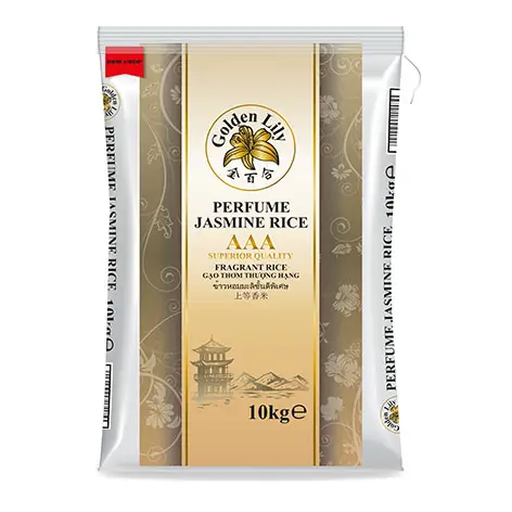
Why it suits this profile: An accessible bulk pack for everyday use, family meals and meal prepping. The product description refers to soft, slightly sticky and aromatic grains.
The variety is clearly described as jasmine rice, so you are less likely to confuse it with basmati or sushi rice.
10 kg of rice, ingredients: rice, and packaging that, according to the description, helps protect against moisture and pests.
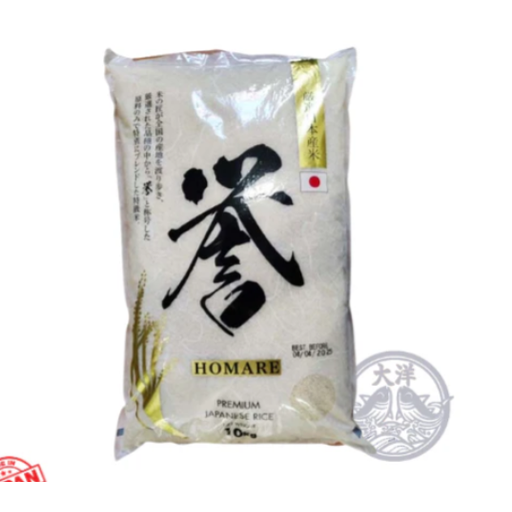
Why it suits this profile: Designed for sushi, rice balls and Japanese side dishes where shine and cohesion are important.
The product information explicitly mentions its high amylopectin content and its soft, sticky texture after cooking.
100% short-grain rice; recommended rinsing, soaking and water instructions are provided with the product.
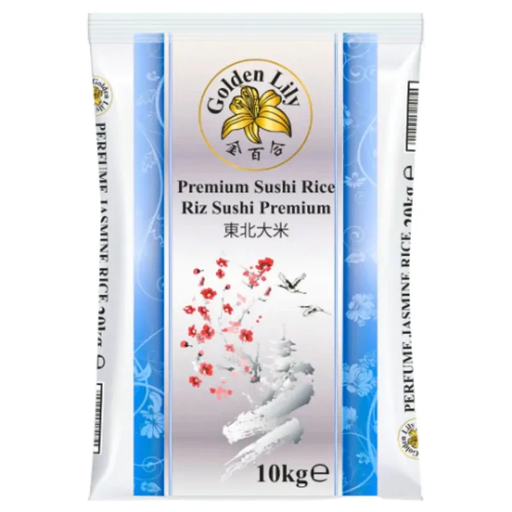
Why it suits this profile: For sushi enthusiasts, caterers and restaurants that regularly prepare makizushi, uramaki or onigiri.
The product description mentions short-grain rice, a consistent grain size and a sticky, glossy finish when cooked.
10 kg bulk pack, suitable for sushi and rice balls, with no artificial additives according to the product information.
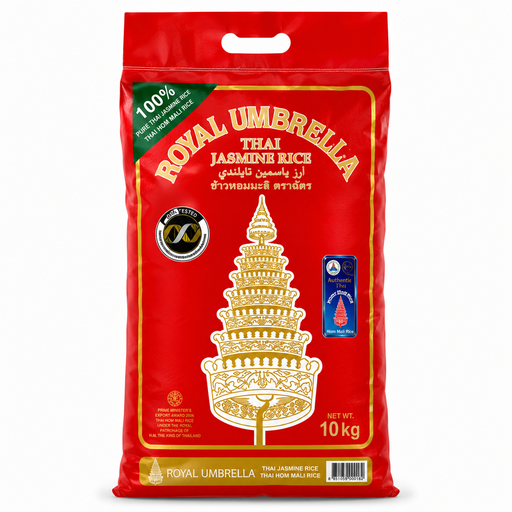
Why it suits this profile: A natural choice for families, meal preppers and restaurants that often serve curries, stews or grilled dishes.
The product information states that it is 100% Thai Hom Mali jasmine rice, rather than an unspecified aromatic rice blend.
100% Thai Hom Mali rice, a soft texture according to the description and a 10 kg pack.
We have put together a complete, up-to-date list of products that fully meet these strict selection criteria and the applicable European safety regulations.
There is no set amount for every type of rice. The required ratio depends on the grain and the preparation method. Products in this overview mention ratios of approximately 1 part rice to 1–1.2 parts water. When cooking a large quantity, it is more sensible to follow the instructions on the packaging for each batch rather than preparing the entire bag at once.
The shelf life is stated on the packaging. After opening, moisture, heat and pests are the main concerns. Store the rice in a dry, cool place in a sealed container. Before use, check for any unusual smell, discolouration or damaged packaging. Do not use rice if the packaging is no longer reliable.
It can be, but compare the price per kilo, best-before date and your actual consumption. A bulk pack of rice can be practical for a restaurant, caterer or large household. If you only eat rice occasionally, poor storage or a long storage period could offset any savings. So choose the type of rice first, then work out whether 10 kg suits your needs.
