
Vandaag of morgen in huis

Kwaliteit gegarandeerd

Welkomstaanbiedingen ontgrendelen: GRATIS bezorging | Tot 80% korting | Gratis 30 dagen JoyPlus-proefperiode
Download de app
Rice vermicelli, mihoen, rice noodles... the shelves are overflowing with options. You want to make authentic Vietnamese pho or whip up a quick stir-fry, but which noodle should you choose? The packaging looks similar, and the names are often confusing. The result: you come home with noodles that are too thick, too thin, or turn into a gummy mess after cooking.
As a Joybuy Product Recommendation Officer, I see where things go wrong every day. Avoid wasting money on the wrong type. These are the two most common pitfalls:
Let's bring some clarity so you'll know exactly which rice vermicelli to buy from now on.
Before you put a pack of noodles in your basket, check two simple but crucial specifications on the packaging. These will determine the success of your dish.
The thickness of the noodle determines its texture and the dish it's best suited for. There are roughly three categories:
A good rice noodle has a short and clear ingredient list. The base is always rice flour and water. Sometimes, tapioca starch is added for a slightly firmer and more translucent texture.
For those on a gluten-free diet, this is an important point. Most Asian noodles made from rice are naturally gluten-free. Always check the packaging for allergen information just in case, but as a rule, pure rice vermicelli is a safe choice.
To help you with your choice, we've matched some popular products with specific home cooks.
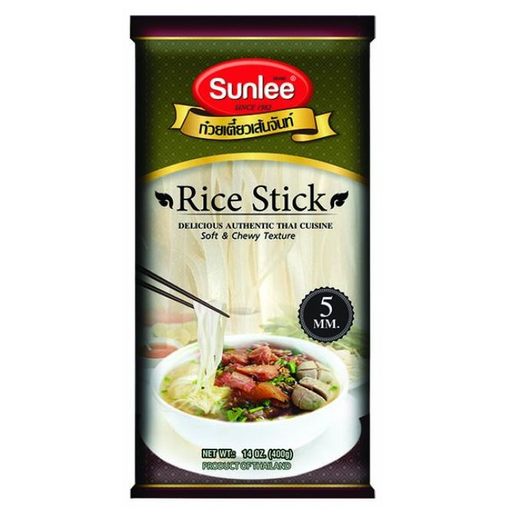
Why it's a match: Perfect for those who want to make an authentic bowl of Pho or Pad Thai at home. These wide noodles are specially designed to absorb the rich flavours of broth and sauces without becoming soggy.
With its 5 mm width, this noodle is specifically made for meal soups. It doesn't fall apart like thin vermicelli, which is a common mistake when making pho.
The firm, springy texture holds up in hot liquids. Made from 90% rice flour and 10% water, so it's pure and gluten-free.
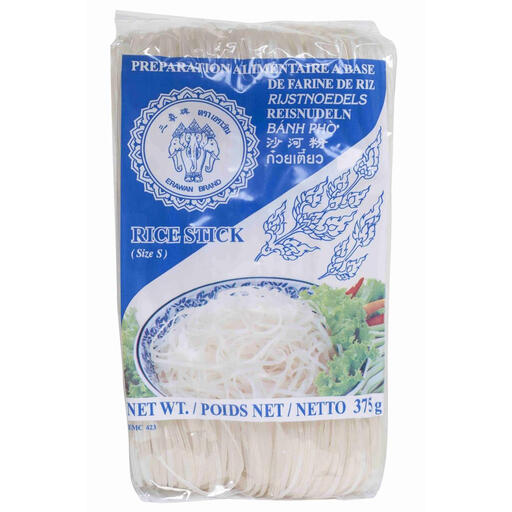
Why it's a match: For those who love light, refined dishes. These ultra-thin noodles are the foundation for cold noodle salads and the perfect filling for fresh spring roll noodles.
At just 1 mm thick, you avoid a heavy, dense texture in your salad. These noodles are light and mix effortlessly with fresh herbs and dressing, rather than dominating the dish.
Very quick preparation time (often just soaking is enough) and a soft, smooth texture. Made from only rice and water.
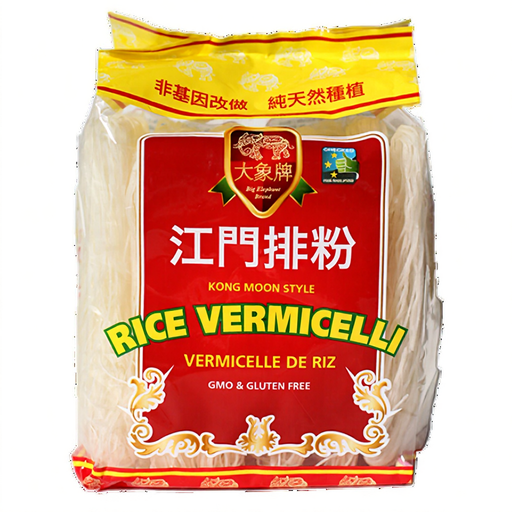
Why it's a match: For the home cook who wants a reliable staple in the pantry. This standard vermicelli is a solid choice for quick stir-fries and simple soups.
This is a no-nonsense product that eliminates the confusion between different types. It's a medium-thin noodle that isn't too specialised, making it widely versatile.
A reliable choice at a good price. The ingredients are simple: rice flour and starch. A true pantry essential.
We have compiled a complete, up-to-date list of products that meet these selection criteria and current regulations.
In practice, the terms are often used interchangeably. Generally, mihoen refers to the very thin, hair-like variety of rice noodles. Rice vermicelli is a broader term that can also include slightly thicker noodles. If you're following a recipe for mihoen, choose the thinnest rice noodles you can find (around 1 mm).
Sticky noodles are usually the result of overcooking or not rinsing them properly. Follow the instructions on the package carefully. For many thin rice noodles, soaking in hot water is sufficient. Always rinse the noodles immediately with cold water after cooking or soaking. This stops the cooking process and removes excess starch, which causes stickiness. Mixing in a little oil also helps.
Rice noodles made exclusively from rice flour and water are naturally gluten-free. This makes them an excellent base for people with a gluten intolerance. However, always read the ingredient list on the packaging. Sometimes, other flours or starches that may contain gluten are added, although this is rare with traditional Asian rice noodles.
