
当日/次日达

品质保障

开启新人专享福利: 全场免邮 | 低至 2 折 | 免费试用 30 天 JoyPlus 会员
下载 Joybuy
If you've ever stood in front of the Asian noodles aisle at the supermarket, you know how overwhelming the selection can be. Rice vermicelli, mihoen, bún, glass noodles—you're bombarded with names. You want to make that perfect Vietnamese noodle salad or fill authentic spring rolls, but you end up with a sticky, limp mess. That's a waste of your time and ingredients.
Many home cooks fall into the same traps. They choose the wrong type of noodle for their dish or fall for marketing terms that say little about the quality. Let's look at the two most common missteps so you can avoid them.
You don't need to be an ingredient expert to make the right choice. Just pay attention to a few clear characteristics on the packaging. This will help you find exactly the Asian noodles you need.
True rice vermicelli has a simple composition. Ideally, the ingredient list should only contain rice and water. Sometimes, a small amount of salt or tapioca starch is added for texture, which is perfectly fine.
The thickness of the noodle determines how it behaves during cooking and eating. Most packaging indicates this with terms like 'fine', 'thin', or through its Vietnamese name.
Based on product specifications and intended use, we have selected a few options that suit different types of home cooks.
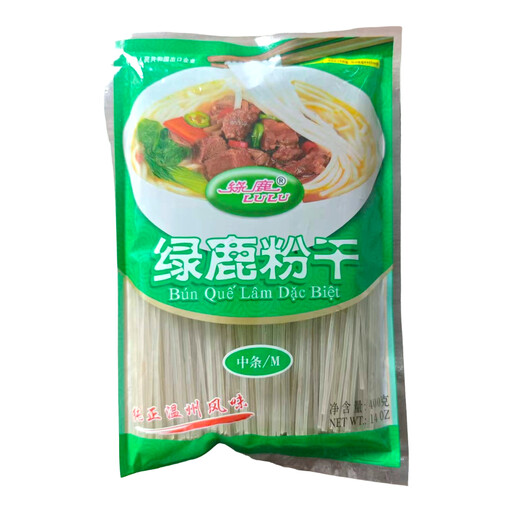
Why This Fits Their Persona: This is a reliable all-rounder. The medium thickness makes these noodles suitable for a wide range of dishes, from a quick noodle soup to a light salad. A great staple product for those who enjoy experimenting with Asian cuisine.
Made with 88% rice, so you can be sure you're buying genuine, gluten-free rice vermicelli. The medium thickness is versatile and less prone to overcooking than ultra-fine varieties.
Versatile for use in soups, salads, and stir-fries. The 400g package is a convenient size for the pantry.
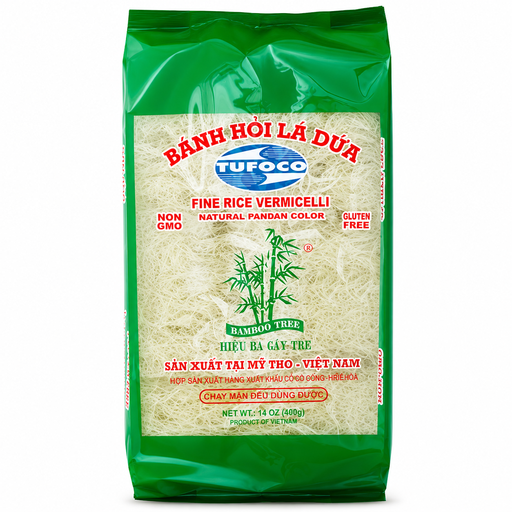
Why This Fits Their Persona: Specifically looking for the right texture for Vietnamese dishes like bún salads or fresh spring rolls? These extra-fine noodles are made for that. The addition of pandan leaf provides a subtle, authentic aroma.
You are consciously choosing the correct thickness. These ultra-fine noodles prevent a heavy, doughy texture in delicate dishes, a common mistake when using standard mihoen.
Authentic, extra-fine texture. Naturally coloured and flavoured with pandan leaf. According to the manufacturer, it is gluten-free and fat-free.
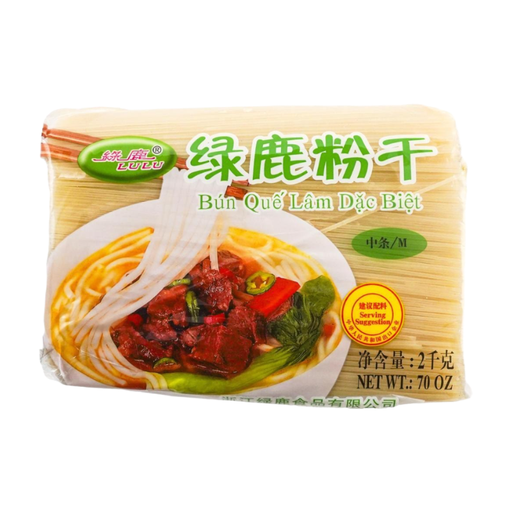
Why This Fits Their Persona: For families who cook Asian food weekly or for professional kitchens, a bulk pack is a logical choice. This prevents you from running out and offers better value per kilo.
You are investing in a large quantity of a reliable staple product. This eliminates the need to constantly buy small, relatively expensive packages and ensures consistency in your dishes.
Cost-effective price per kilo and long shelf life due to its dried form. Made from 85% rice for an authentic base.
We have compiled a complete, up-to-date list of products that meet these selection criteria and current regulations.
In practice, these terms are often used interchangeably in many regions. Both refer to thin rice noodles made from rice flour and water. Mihoen is the name that became popular in the West via Indonesian and Malaysian cuisine, while rice vermicelli is a more literal description.
The most important step is to rinse the noodles under cold, running water immediately after cooking. This stops the cooking process and washes away the excess starch that causes sticking. Let the noodles drain well. Mixing in a small dash of neutral oil (like sunflower oil) can also help if you are not serving them right away.
True rice vermicelli, which consists only of rice and water, is naturally a gluten-free noodle. However, always read the label to be sure. Some cheaper or blended Asian noodles that are also called 'vermicelli' may contain wheat. Check the ingredient list to be certain.
