
Vandaag of morgen in huis

Kwaliteit gegarandeerd

Welkomstaanbiedingen ontgrendelen: GRATIS bezorging | Tot 80% korting | Gratis 30 dagen JoyPlus-proefperiode
Download de app
Rice snacks come in many forms: from thin rice cakes and Japanese rice crackers to Korean rice cakes and spiced Thai rice snacks. With such a wide range, choosing isn’t always straightforward. A packet might look large, yet contain only a few servings. Likewise, terms like “light”, “authentic” or “with natural flavour” don’t automatically tell you anything about the ingredients.
If you’re looking to buy rice snacks for home, on the go or for a film night, it’s worth checking three things first: flavour intensity, portion size and ingredients. That way, you’ll avoid a purchase that doesn’t suit your preferences or diet.
Sweet rice snacks often contain sugar, syrup or a sweet coating. So always check the nutritional information per 100 grams and per serving. For example, RICHY SWEET RICE CRACKER lists 18 grams of sugar per 100 grams. Snack A Jacks Smooth Caramel Rice Waffles lists 21 grams of sugar per 100 grams.
A small portion pack can be handy, but check whether the stated nutritional values refer to one rice cake, one sachet or the whole packet.
Some rice crackers also contain maize, starch, millet, barley or wheat. According to the product information, Chao Ba Ye Rice Crispies Spicy Flavor lists wheat flour as the first ingredient. So that product isn’t the same as a snack made primarily from rice.
If you need to avoid gluten, soya, milk, sesame or other allergens, always check the current ingredients list on the packaging. Product information online can change.
Moisture is the biggest enemy of thin rice cakes and rice crackers. A large bag might seem good value, but if you don’t seal it properly after opening, the texture quickly deteriorates. Individual portions are practical for on the go or for a household where snacking isn’t a daily habit.
Store opened rice snacks in a cool, dry place, away from direct sunlight and heat sources. When in doubt, follow the storage instructions on the label.
First, look at the base of the snack:
If you have allergies, always check the packaging. “May contain traces” refers to possible cross-contamination during production and is not a guarantee that a product is allergen-free.
For a sweet snack, honey, caramel, chocolate, coconut and sweet potato work well. For savoury rice snacks, seaweed, cheese, barbecue, five-spice and sesame are natural choices. Spicy rice snacks can contain chilli, kimchi, wasabi or Sichuan pepper.
Also consider the preparation. Many Japanese rice crackers and ready-to-eat snacks can be eaten straight away. Korean rice cakes, such as Yopokki, need to be prepared with hot water and possibly the microwave. That makes a cup suitable for a quick snack, but less practical if you don’t have hot water when you’re out and about.
Don’t just compare the weight – also look at how it’s packed:
Also check the best-before date on the packaging. The date can vary from one delivery to another.
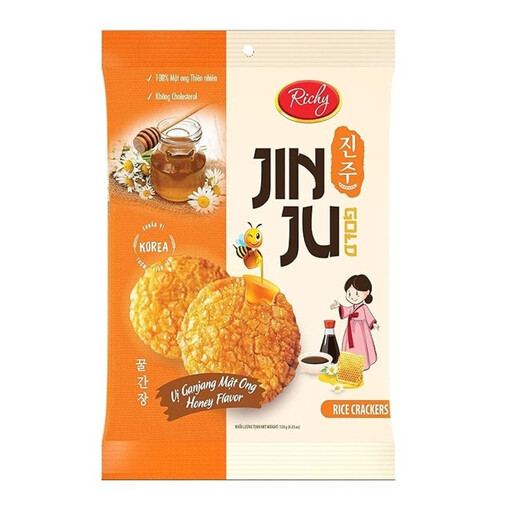
Why this fits the profile: A straightforward 100-gram pack with a sweet honey flavour is an accessible choice for anyone trying Asian rice crackers for the first time.
The weight is clearly stated. However, do check the listed 9.5 grams of sugar and the allergens soya and wheat before ordering.
100 g pack, ready to eat and, according to the product information, suitable as a snack or with a meal.
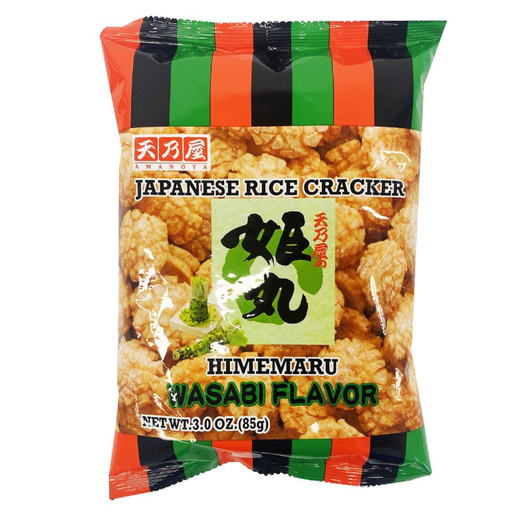
Why this fits the profile: This Japanese rice cracker is aimed at fans of a bold wasabi and chilli flavour, in a compact pack.
The flavour direction is clearly described. Check the ingredients, as the product contains soya and may contain traces of wheat.
Product from Japan, 85 g and ready to eat according to the product information.
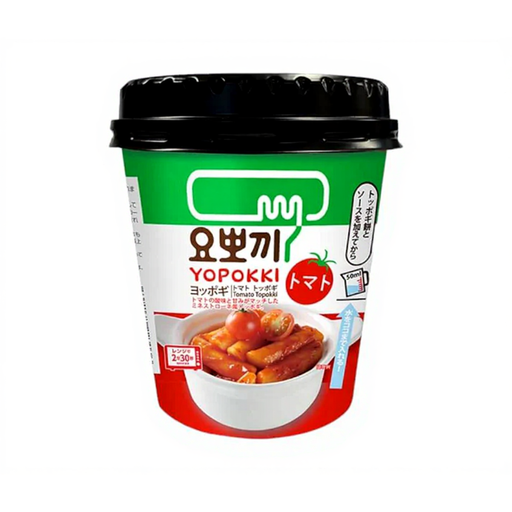
Why this fits the profile: For those who aren’t after a dry rice cracker, but a warm Korean rice cake with tomato flavour as a quick snack or light meal.
The preparation steps are provided: hot water, three minutes soaking and a short heat in the microwave. This makes it clear upfront that it’s not a ready-to-eat dry snack.
120 g per cup, country of origin South Korea and a clear preparation method based on the product information.
We’ve put together a full, up-to-date list of products that fully meet these strict selection criteria and comply with current European safety regulations.
Rice cakes are usually light and relatively large, often made from puffed rice or a rice and maize blend. Rice crackers are typically smaller, harder and more strongly seasoned. Japanese rice crackers and Chinese rice crackers usually fall into that second category. The texture and flavour vary by brand and method of preparation.
No. Korean rice cakes, such as tteokbokki or Yopokki sticks, have a soft and chewy texture once prepared. Rice crackers are dry and crispy and can usually be eaten straight from the packet. So check whether hot water or a microwave is needed.
That depends on the packaging, humidity and storage. Seal an opened bag immediately and store it in a dry place away from heat. Individually wrapped rice cakes or small sachets often keep their texture more easily if you don’t eat the snack all at once. Always follow the date and instructions on the packaging.
