
Vandaag of morgen in huis

Kwaliteit gegarandeerd

Welkomstaanbiedingen ontgrendelen: GRATIS bezorging | Tot 80% korting | Gratis 30 dagen JoyPlus-proefperiode
Download de app
Rice snacks come in many forms: light rice cakes, crunchy rice crackers, chewy Korean rice cakes and sweet Thai rice desserts. With such a wide range, choosing can sometimes be tricky. A striking packet doesn’t always tell you exactly what you’re buying.
Watch out for three common pitfalls:
With the right checks, you’ll find it easier to pick rice snacks for home, on the go, with tea or for sharing.
Rice is often the main ingredient, but the composition varies a lot. Some rice crackers also contain palm oil, sugar, corn starch, flavour enhancers or spice blends. Flavoured varieties may also contain soya, milk, sesame, wheat or egg.
If you’re looking for gluten-free rice snacks, you need to look beyond the front of the packet. Check the full ingredients list and the allergen declaration. For example, the Richy Jinju Rice Cracker Honey Flavor contains soy sauce with soya and wheat. The BIN BIN Rice Cracker Seaweed Flavor also lists gluten-containing wheat and soya.
The COCO JAS Rice Roll Coconut Milk is listed in the product information as gluten-free and suitable for vegetarians, but it does contain sesame. If you have allergies, always check the current label; recipes and packaging can change.
Compare products by 100g where possible. A single rice cake may be low in calories, but a bag containing several cakes can still deliver a lot of carbohydrates or sugar.
Here are some examples from the product information:
These figures don’t tell you which snack is right for everyone. But they do help you objectively compare a sweet rice snack, a savoury rice cracker or a spicy variety side by side.
For on the go, individually wrapped portions are practical. The Mae Napa Sticky Rice Cake Coconut & Sweet Potato is described as coming in 6 packs of 80g. That’s handy for a lunchbox, the office or a snack break.
Crunchy snacks only stay enjoyable if moisture is kept away. So store opened packets tightly sealed, in a cool, dry place and out of direct sunlight. A soft rice cracker isn’t usually a sign that the product is meant as a dessert, but can be the result of moisture after opening.
Also pay attention to the preparation method. Many rice crackers are ready to eat. Korean rice cakes, on the other hand, may need water and a microwave. Check the instructions before you take a cup to the office or school.
The selection below is based on verifiable product information such as ingredients, allergens, packaging, portion size and preparation method.
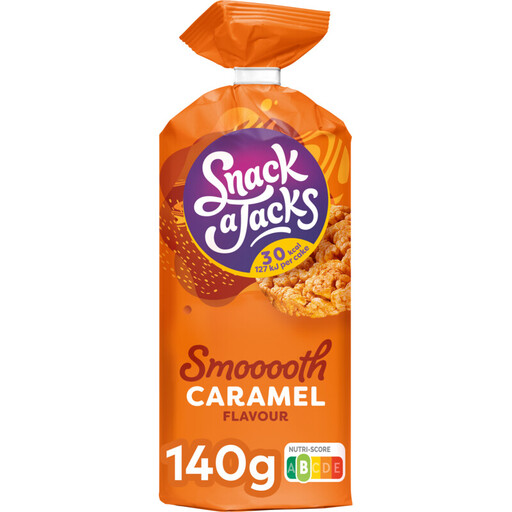
Why this suits the profile: A familiar, ready-to-eat rice cake with caramel flavour. The roll contains 13 waffles, making it handy for a regular snack at home or on the go.
The product information lists both the serving size and the nutritional values. Do note: the product contains soya and may contain milk and sesame.
13 pieces per roll; 30 kcal per rice cake according to the product information; ready to eat straight away.
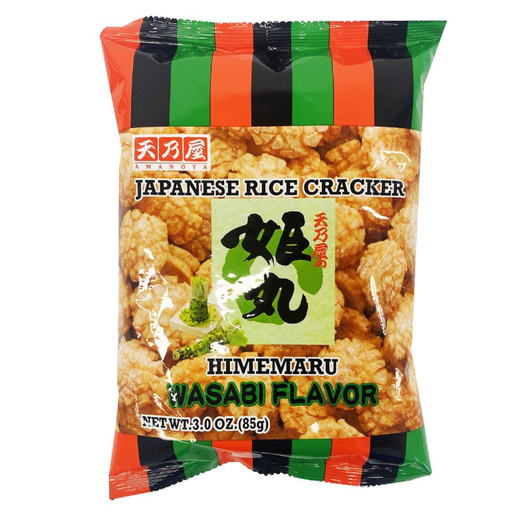
Why this suits the profile: For fans of Japanese rice crackers looking for a distinctive flavour. Wasabi and chilli give this crunchy snack a spicy character.
The flavour direction and origin are clearly stated. Check the label if you have allergies: the product contains soya and may contain wheat.
Product from Japan; 85g; wasabi and chilli flavour; ready to eat.
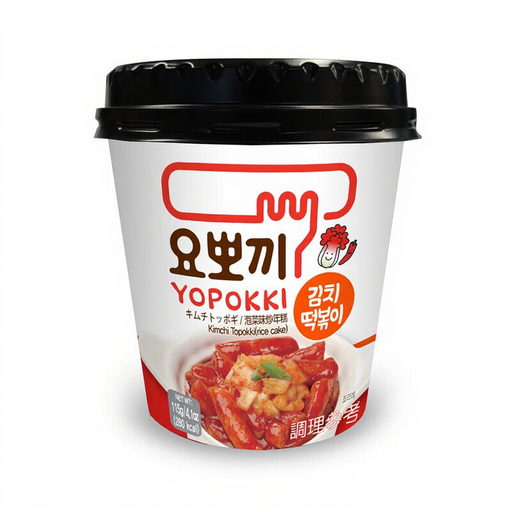
Why this suits the profile: A convenient choice for anyone who wants to prepare Korean rice cakes with a savoury, spicy flavour. The product is designed as a quick snack and suits a short break at home or in the office.
The ingredients list states that none of the 14 main EU allergens are present. Still, always follow the current packaging and preparation instructions.
115g; kimchi flavour; Korean rice cake sticks; suitable for quick preparation.
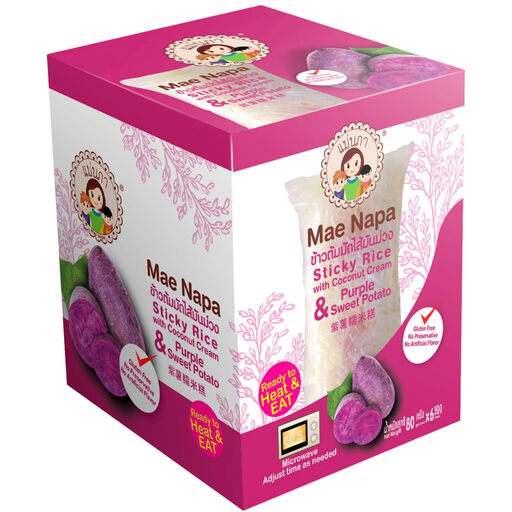
Why this suits the profile: These Thai rice desserts are for anyone looking for a soft, chewy texture with coconut and purple sweet potato. The portions are individually wrapped.
The pack contains 6 portions of 80g, so you don’t have to open the whole amount at once. According to the product information, it is gluten-free; check the current packaging.
6 individual portions; product originally from Thailand; approximately 182 kcal per 100g according to the product information.
We’ve put together a full, up-to-date list of products that fully meet these strict selection criteria and current European safety regulations.
No. Rice cakes are often light and relatively large, whereas rice crackers are usually more compact, harder and more strongly seasoned. Japanese rice crackers, Chinese rice snacks and Thai varieties can therefore differ significantly in texture, salt content and preparation method.
No. Always check the label. Rice itself doesn’t contain gluten, but ingredients such as wheat in soy sauce, barley, wheat flour or flavour blends can contain gluten. A warning about possible traces is also relevant for coeliac disease or a severe allergy.
Store an opened packet tightly sealed in a cool, dry place, away from moisture and heat. Individual portions are handy if you don’t eat the snack all at once. For soft Korean rice cakes, follow the specific storage and preparation instructions on the packet.
