
Livraison le jour même et le lendemain

Qualité garantie

Débloquez vos offres de bienvenue: Livraison GRATUITE | Jusqu'à -80 % | 30 jours d'essai gratuits à JoyPlus
Téléchargez l'application
When you want to eat quickly, rice products are an obvious choice. Think instant rice, ready-to-eat rice, rice noodles, Korean rice cakes or a rice cooker. However, products can vary considerably in preparation time, portion size, ingredients and ease of use. Attractive packaging or promises about flavour do not always tell you enough about what you are actually buying.
This guide helps you compare rice products based on verifiable features. That way, you can choose something that suits your household, cooking routine and budget.
“Ready in a few minutes” may refer to one small portion. So always check the net weight, the number of servings and the amount of water required. A 210-gram cup may be suitable as part of a meal, but you will need several packs for multiple people.
For a large family, a rice cooker or multicooker may therefore be more cost-effective and practical than individual portions of instant rice.
Asian rice products often contain soya, wheat, fish, shellfish or milk. For example, Sempio Instant Tteokbokki contains soya and gluten from wheat. The self-heating rice meal with chicken and shiitake also contains soya and wheat.
If you have allergies, always read the label on the packaging you receive. Product compositions and packaging can change. In addition, a product description stating “gluten-free” is not the same as a general suitability statement for every diet.
A multicooker with lots of programmes can be useful, but only if you genuinely need those functions. If you mainly cook white rice, a simple rice cooker may be all you need. If you also want to steam, sauté, slow-cook or pressure-cook food, a more advanced model may be a better choice.
Also consider the dimensions, weight, cleaning requirements and the amount of space available on your worktop.
Do not just compare the number of minutes; consider the steps involved too:
For one person, portions of 50 to 250 grams are often easy to manage. For families, appliances with a larger capacity are more appealing. According to the product information, the Instant Pot Rice Cooker 5 L has a capacity of 5 litres and eight programmes, including white rice, brown rice, quinoa, steaming and slow cooking.
The Instant Pot Plus WIFI 5.7 L has a capacity of 5.7 litres, 15 cooking programmes and functions including pressure cooking, rice cooking, steaming and keeping food warm. According to the product specification, the Midea multicooker has a capacity of 7.6 litres, making it suitable for larger quantities.
With pressure-cooking functions, always check the maximum fill line. Rice and grains can expand. The instructions for use should always be followed.
Compare the nutritional values per 100 grams and per pack. A product with a small portion weight may contain few calories per serving but relatively high levels of salt. According to the product information, VIFON Instant Rice Porridge Beef Flavour contains 2.3 grams of salt per 50-gram pack. This is important information if you want to compare it with your daily intake.
Also look out for:
For Zi Hai Guo meals, the self-heating pack must not come into contact with water before use. Follow the safety instructions carefully and use the heating pack only as directed.
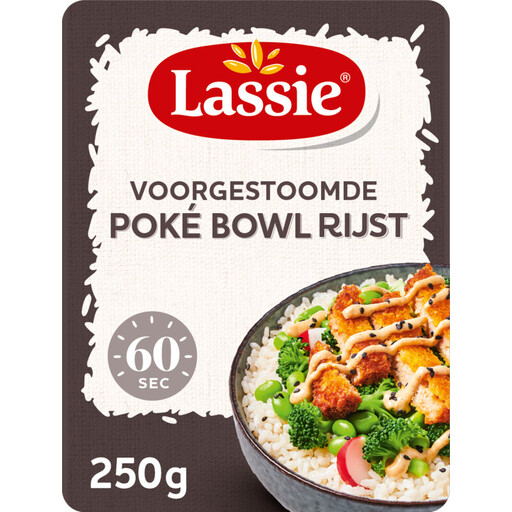
Why it suits this profile: A 250-gram pack is a manageable size for a quick lunch or a simple poke bowl. Just add toppings and dressing.
The portion size and preparation time are clearly stated. This means you can work out in advance whether one pack will be enough.
Ready in 60 seconds; 250 grams; according to the product information, vegan and free from the 14 main EU allergens.
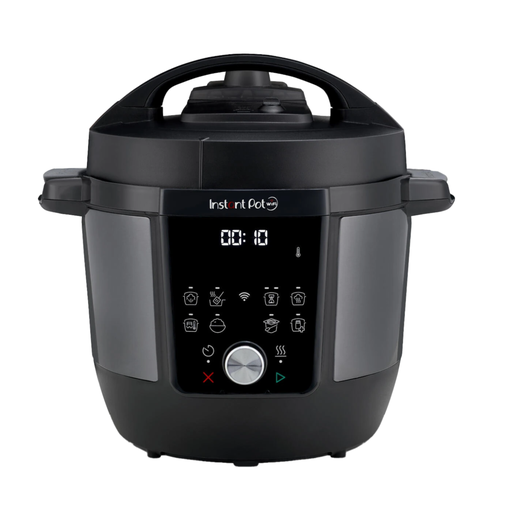
Why it suits this profile: Ideal for households that want to combine cooking rice with steaming, slow cooking, sautéing and other functions.
The functions are described clearly, while the safety instructions cover the fill limit, steam release and locking mechanism.
5.7-litre capacity; 15 programmes; stainless-steel inner pot; overheat protection and lockable lid.
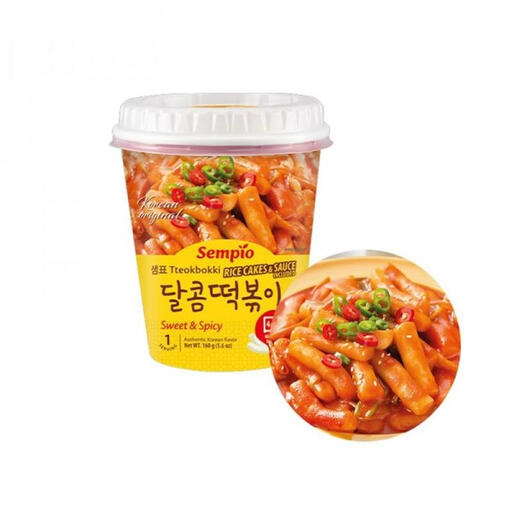
Why it suits this profile: A targeted choice for fans of Korean rice cakes and tteokbokki with a sweet and spicy sauce.
The flavour, 160-gram contents and allergens are stated clearly. This means you know in advance that the product contains soya and wheat.
Prepare it as a quick Korean snack or meal; 160-gram product; ingredients and nutritional values are available.
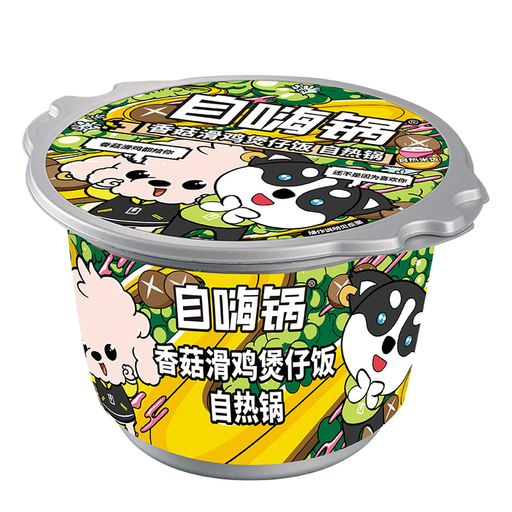
Why it suits this profile: Handy when no hob is available, for example while travelling, during outdoor activities or at the office with hot water.
The packaging states a net weight of 260 grams, allergens and separate instructions for the self-heating pack.
No external heat source required; rice meal with chicken and shiitake; suitable for quick preparation in accordance with the instructions.
We have put together a complete, up-to-date list of products that fully meet these strict selection criteria and the applicable European safety regulations.
Instant rice is usually pre-cooked or pre-processed and still needs to be heated or soaked. Ready-to-eat rice can sometimes be eaten straight away or briefly reheated. Always check the preparation instructions on the packaging.
That depends on how often you eat rice, the purchase price of the appliance and the portion size. A rice cooker requires a one-off investment and uses dry rice, while individual portions offer greater convenience but may work out more expensive per meal. For students or occasional use, instant rice may be more practical; for families, a larger rice cooker may be more efficient.
Use ready-to-eat poke bowl rice or cook rice in a rice cooker. Then add vegetables, tofu, chicken, fish or other toppings, and finish with, for example, soya sauce, sesame oil or a dressing. When using prepared ingredients, always check the allergen information.
