
Vandaag of morgen in huis

Kwaliteit gegarandeerd

Welkomstaanbiedingen ontgrendelen: GRATIS bezorging | Tot 80% korting | Gratis 30 dagen JoyPlus-proefperiode
Download de app
Rice noodles come in many forms, from fine rice vermicelli for Vietnamese salads to wide rice sticks for stir-fries. Yet the packaging does not always make it clear which type you need. The wrong thickness can cause noodles to fall apart, while an instant variety may not even be made from rice.
For home cooks in the Netherlands, three pitfalls are particularly important: the name on the front, the noodle thickness and the ingredients list. With the right checks, it is easier to choose between Vietnamese rice noodles, Thai rice noodles, dried rice noodles and instant rice noodles.
A product name can be misleading. For example, according to the product information, MAMA Pad Thai Instant Rice Noodles 150g contains wheat flour and soy sauce with wheat. This product is therefore not suitable if you are specifically looking for gluten-free noodles. Always check the allergen information on the packaging.
For products such as Bamboo Tree Rice Vermicelli Bun Toui and JUBJUB Tom Yum, the product information does state that they are gluten-free. Even so, check the current packaging, particularly if you have allergies or coeliac disease. A recipe or brand name is not a substitute for the official ingredients list.
A fine 1 mm noodle behaves differently from a 3 or 5 mm rice stick. Thin varieties soften quickly and work well in light broths, fresh spring rolls and bun dishes. Thicker varieties retain their shape better in pho, stir-fries and hearty soups.
The terms rice sticks, rice vermicelli and “rice noodles” are not used consistently by every brand. Check the stated diameter and preparation method rather than relying solely on the picture on the packaging.
Instant rice noodles are practical for the office, a quick lunch or a small pantry. However, the seasoning sachets account for much of the flavour and may contain allergens. Some instant products also contain relatively high levels of salt per serving. If you want more control over the ingredients, it is better to buy dried rice noodles and add your own stock, vegetables and source of protein.
Use this rule of thumb:
For rice noodles for pho, 3 mm is often a practical choice. For rice noodles for Pad Thai, wider rice sticks are customary, but check that the product really does contain rice noodles. An instant Pad Thai-flavoured variety may contain wheat.
Check whether the base consists of rice flour, rice, tapioca and water. Tapioca can affect elasticity and texture. Products also vary in their rice content. For example, Bamboo Tree Rice Noodles 1 mm and 3 mm state that they contain 72% rice, while according to the product information, Farmer Brand Rice stick noodle 3 mm is made from rice flour.
Also look out for:
Dried rice noodles usually need to be soaked or briefly boiled. The exact time varies by thickness and brand. Always follow the instructions on the packaging. Cooking rice noodles for too long makes them limp; soaking them for too little time leaves a hard centre.
Instant rice noodles are generally ready within a few minutes with boiling water. You often pay for this convenience with less control over flavour, salt and toppings. For a more complete meal, add pak choi, bean sprouts, egg, tofu or chicken, depending on your preferences and the allergens listed on the label.
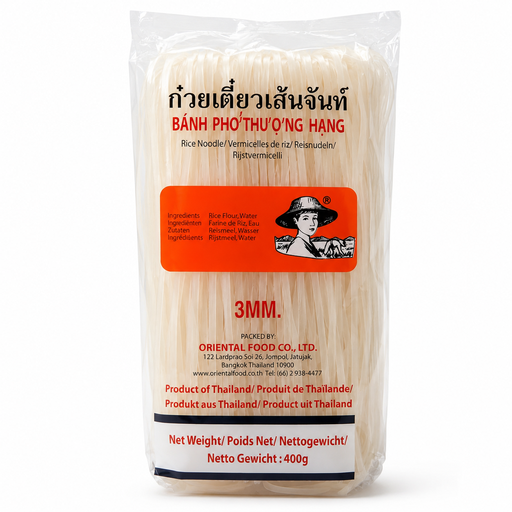
Why it suits this profile: The 400 g pack gives you enough noodles to prepare several Asian noodle dishes. The 3 mm thickness is versatile enough for stir-fries, soups and salads.
The diameter is clearly stated, so you do not have to rely solely on the product picture. The ingredients information lists rice flour.
3 mm thickness, 400 g contents and, according to the product information, none of the 14 major EU allergens.
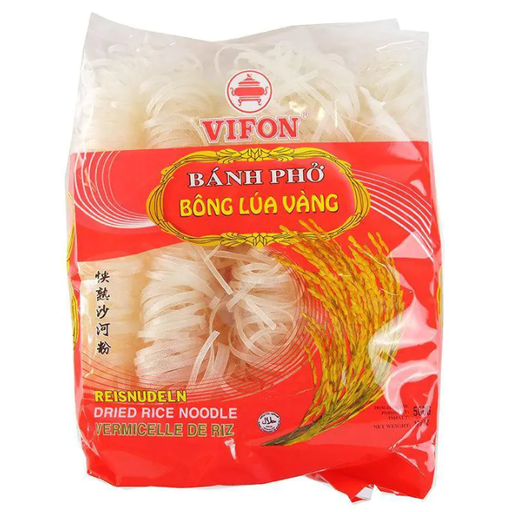
Why it suits this profile: According to the product information, these Vietnamese rice noodles have a diameter of 5 mm and are suitable for pho, soups, salads and stir-fries, among other dishes.
The stated size and preparation instructions make the choice more specific than a general term such as “authentic noodles”.
500 g contents, origin Vietnam according to the product information, and versatile use in soups and stir-fries.
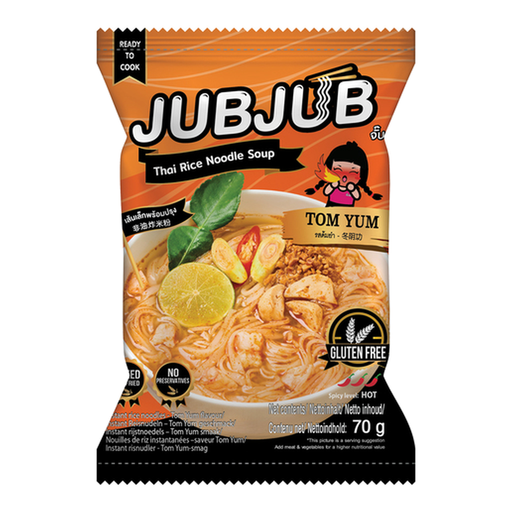
Why it suits this profile: The 70 g portion and preparation with boiling water are convenient for a quick meal at home, in the office or on the go.
The preparation steps and portion size are clearly described. The product information lists rice flour and tapioca flour rather than wheat flour.
Ready in around 3 minutes according to the packaging and described as gluten-free in the product description.
We have put together a complete, up-to-date list of products that fully meet these strict selection criteria and the applicable European safety regulations.
Store dried rice noodles in a cool, dry place away from direct sunlight and moisture. Seal the packaging securely after opening. Do not use any product whose packaging is damaged.
When cooking, use a timer and, if the noodles are intended for a salad or stir-fry, briefly rinse them with cold water if necessary. Add them to the pan at the right moment: fine noodles need less time than wide rice sticks.
No. Many dried rice noodles consist of rice, tapioca and water, but instant products may contain wheat, soya or other allergens. Always read the ingredients list and allergen information on the current packaging.
Wide rice sticks are usually used for Pad Thai, often around 3 mm. Pay particular attention to the ingredients of instant varieties: a Pad Thai-flavoured product may contain wheat flour and is therefore not a gluten-free choice.
Follow the best-before date on the packaging and store the product in a dry, cool place in a securely sealed container. Once opened, protecting the noodles from moisture is important to help prevent sticking and loss of quality.
