
Vandaag of morgen in huis

Kwaliteit gegarandeerd

Welkomstaanbiedingen ontgrendelen: GRATIS bezorging | Tot 80% korting | Gratis 30 dagen JoyPlus-proefperiode
Download de app
Rice noodles are ideal for quick Asian dishes, but the differences between varieties can be greater than the packaging suggests. Thin rice vermicelli behaves differently from broad rice sticks. Not every product labelled “rice noodles” is automatically suitable for a gluten-free diet or for the dish you have in mind.
With this buying guide, you can compare rice noodles based on thickness, ingredients, preparation method and allergens. This helps you avoid limp noodles in your pad thai, an overly thick texture in your pho or an instant meal that does not suit your dietary requirements.
Rice vermicelli, rice sticks, bun noodles and Vietnamese rice noodles do not always refer to exactly the same shape. “Vermicelli” is usually thin and suitable for salads, spring rolls and light soups. Rice sticks are often flatter or wider and work better in stir-fries such as pad thai.
So do not just look at the country or dish reference on the front of the pack. Also check the thickness in millimetres and the preparation instructions.
Some dried rice noodles contain rice, water and possibly tapioca or starch. Other products contain wheat, soy sauce or flavourings with allergens. In instant rice noodles, potential allergens are often found in the seasoning or sauce sachets rather than in the noodles themselves.
Always check the current packaging. For example, the product information for Sunlee Vietnamese Rice Noodles mentions wheat and soya as allergens, in addition to rice and water. This makes it important to use the packaging as the definitive source when you have specific dietary requirements.
Instant rice noodles are practical for the office, when travelling or for a quick meal. They often include several sachets containing stock, oil, vegetables and toppings. As a result, their flavour and nutritional values can differ significantly from those of ordinary dried rice noodles. Pay particular attention to salt, portion size and ingredients if you eat instant noodles several times a week.
Use this classification as a practical guide:
The preparation method remains important. Some varieties need to be soaked in hot water, while others require brief boiling. Cooking rice noodles for too long makes them soft and sticky. If necessary, rinse them briefly after cooking and only add them to your dish at the right moment.
Check the ingredients panel for:
A short ingredients list is easy to understand, but it does not by itself mean that a product is suitable for every dish. Also consider the shape, thickness and preparation time.
For consumers looking for gluten-free rice noodles, products with a clear gluten-free statement are the easiest to assess. Bamboo Tree Rice Vermicelli Bun Toui is described as gluten-free in the product information and, according to the listed ingredients, contains rice, tapioca, water and salt.
Be careful with combined instant products. VIFON Instant Rice Vermicelli Beef Hue Style lists rice noodles and Vietnamese stock, but the ingredients list also mentions wheat, fish and prawns. The noodles themselves are therefore not enough to determine whether the complete product is suitable.
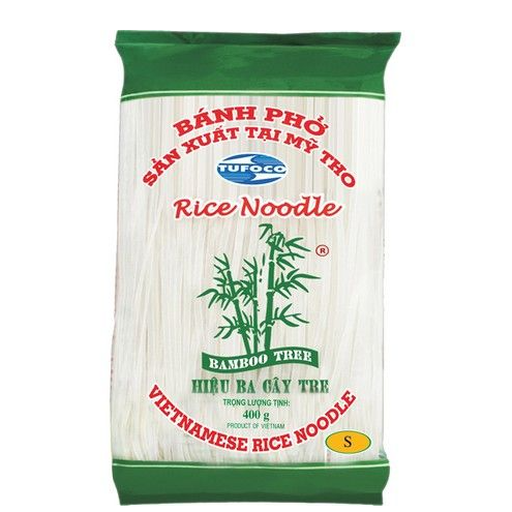
Why it suits this profile: The 400-gram pack is useful for several meals. Its thin texture works well in Vietnamese soups, salads and light stir-fries.
The 1 mm thickness is clearly stated, so you do not have to rely solely on the general name “rice noodles”.
400 g per pack; 72% rice according to the product information; none of the 14 main EU allergens are listed.
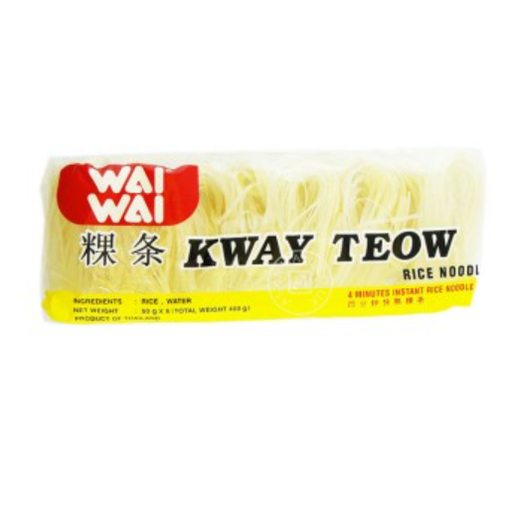
Why it suits this profile: These rice sticks are a natural choice if you want a simple base without seasoning sachets and prefer to control the sauce, vegetables and protein source yourself.
The ingredients are straightforward: according to the product information, the product consists of rice grain and water. There are no seasoning sachets adding extra allergens or salt.
400 g; 90% rice according to the product description; none of the 14 main EU allergens are listed.
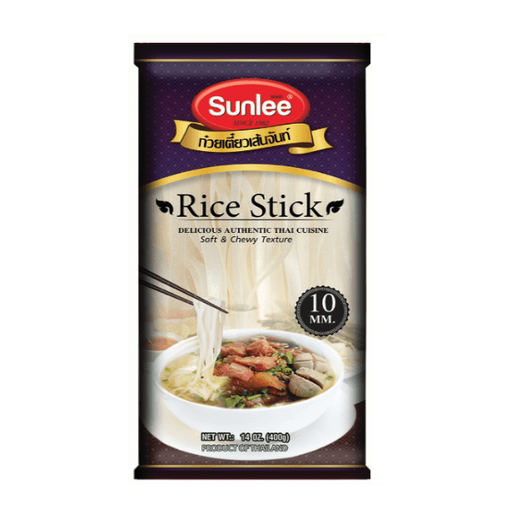
Why it suits this profile: The extra-wide shape is designed for substantial stir-fries, soups and pad thai dishes where you want a more pronounced noodle texture.
The 10 mm width makes its intended use clear. You are not buying thin vermicelli for a dish that calls for broad rice sticks.
10 mm wide; 400 g pack; according to the product description, suitable for pad thai, stir-fries, soups and cold salads.
We have compiled a complete, up-to-date list of products that fully meet these strict selection criteria and the applicable European safety regulations.
Choose instant rice noodles when speed matters more than creating a meal from scratch. According to the product information, MAMA Oriental Style Instant Rice Vermicelli is prepared with approximately 350 ml of boiling water and has a waiting time of around three minutes. For a spicy option, Hao Huan Luo Luo Luosifen and Baekje Rice Noodle Spicy Beef Soup are among the products available. However, check the allergens and salt content of these products carefully.
Dried rice noodles are more practical if you want to build your own recipe. You can decide how much sauce, seasoning, vegetables and protein to add. This is better suited to vegetarian dishes or when following a specific recipe for pho, bun or pad thai.
Store unopened rice noodles in a cool, dry place, away from sunlight, heat and moisture. Seal an opened pack securely. Do not use the product if the packaging is damaged, and check the best-before date on the pack.
Follow the instructions on the label when preparing the noodles. Thin rice vermicelli may only need soaking, while thicker rice sticks need brief boiling. For stir-fries, only add the noodles once the sauce and other ingredients are ready. This helps reduce the risk of a sticky texture.
Not always. Pure dried rice noodles may contain rice, water and tapioca, but seasonings, sauces or flavourings may contain wheat. Therefore, check the full ingredients list and allergen information. A product explicitly marketed as gluten-free, such as certain Bamboo Tree Bun Toui varieties, is easier to assess, but you should still check the current packaging.
Flat, medium-width to broad rice sticks are usually used for pad thai. A 3 mm variety is versatile, while a 10 mm rice stick provides a broader, firmer bite. The right choice depends on your recipe and the texture you want.
Unopened dried rice noodles generally have a long shelf life when stored somewhere dry and dark. The exact date is shown on the packaging. Once opened, it is important to keep the pack tightly sealed to prevent moisture and contamination. Prepared noodles are best used immediately, following the preparation instructions.
