
Vandaag of morgen in huis

Kwaliteit gegarandeerd

Welkomstaanbiedingen ontgrendelen: GRATIS bezorging | Tot 80% korting | Gratis 30 dagen JoyPlus-proefperiode
Download de app
Rice noodles might seem straightforward at first glance: grab a pack, soak or cook the noodles, and add them to the pan. Yet the wrong thickness or composition can quickly ruin a dish. Thin noodles turn limp in a hot broth, while wide rice sticks aren't always suitable for a fresh salad.
Packaging descriptions can also be confusing. Words like "authentic", "premium" or "versatile" don't tell you much without verifiable information about ingredients, thickness, weight and preparation method. With this practical selection guide, you can choose rice noodles that suit your dish and cooking routine.
Rice vermicelli, rice sticks and wide Thai noodles are sometimes used interchangeably. However, the thickness directly affects preparation and texture.
Always check the millimetre measurement on the product page or packaging.
Not every Asian noodle is a rice noodle. Glass noodles are often made from mung bean starch, pea starch or wheat starch. For example, Jing Xian Fang lists 97% wheat starch and 3% pea starch in its glass noodles. That is not a gluten-free option.
If you have an allergy or intolerance, don't just rely on the product name. Check the full ingredients list and allergen declaration. The information can vary from pack to pack. Bamboo Tree products, for instance, state that none of the 14 major EU allergens are present. Meanwhile, Sunlee Vietnamese Rice Noodles - 454 g lists wheat and soya as allergens in its product information. Always read the current label.
Dried noodles often need to be soaked or briefly cooked first. Overcooking can make them soft and fragile; under-soaking means they absorb moisture from the sauce during stir-frying.
Also pay attention to the pack size:
First, look at the base: rice, rice flour, tapioca and water are common in rice noodles. Farmer Brand Rice Stick Noodle 3 mm contains rice flour according to the product information and comes in a 400 g pack. Sunlee Premium Rice Stick 5 mm lists 90% rice flour and 10% water.
Starch may also be added to rice vermicelli to make the noodle firmer. That isn't necessarily a drawback, but it does affect the texture. For gluten-free noodles, always check the current allergen information, even if the name includes "rice noodles".
The shape determines how the noodle behaves in a dish:
Follow the instructions on the packaging. As a general guideline:
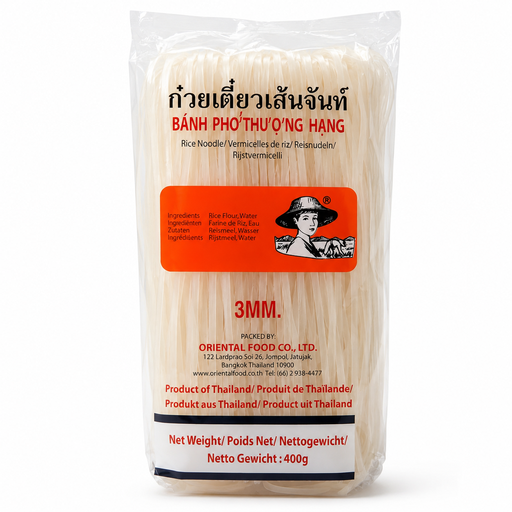
Why this fits the profile: The 3 mm wide rice stick is a useful medium size for anyone wanting to cook a variety of Asian dishes without buying multiple packs.
The exact thickness and weight are clearly stated. That means you don't have to rely on vague terms like "versatile".
400 g pack; according to the product information, made from rice flour and free from the 14 major EU allergens.
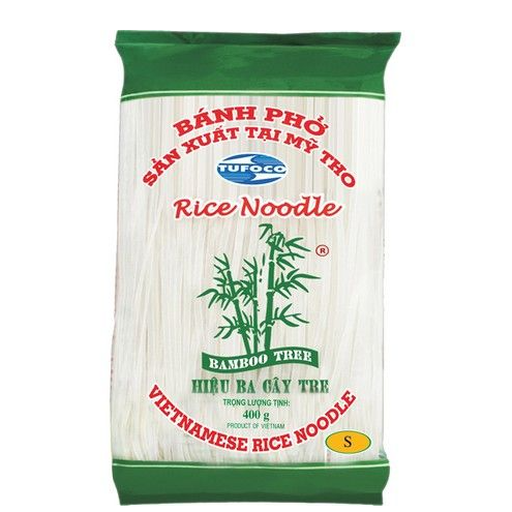
Why this fits the profile: These thin Vietnamese rice noodles are ideal for light broths, bun bowls and fresh spring rolls.
The 1 mm size indication makes it clear that this is not a wide stir-fry noodle. So you can choose deliberately for a fine texture.
72% rice; rice, tapioca and water listed as ingredients; 400 g pack.
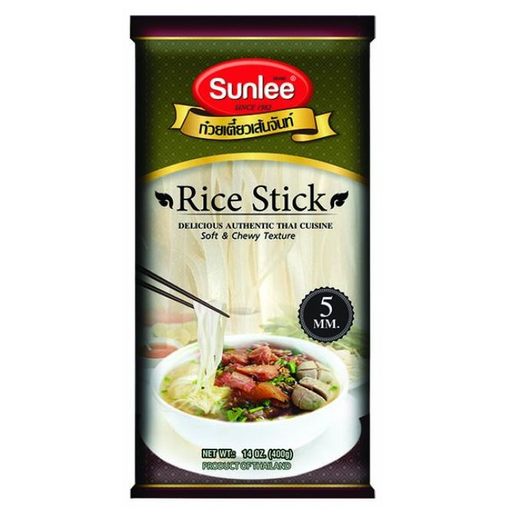
Why this fits the profile: The 5 mm rice stick offers more body in Pad Thai, stir-fries and hearty noodle soups.
The product information lists both the 5 mm width and the cooking time of 6 to 8 minutes. That helps with planning your stir-fry timing and sauce.
400 g pack; according to the product information, 90% rice flour and 10% water; suitable for Pad Thai and pho.
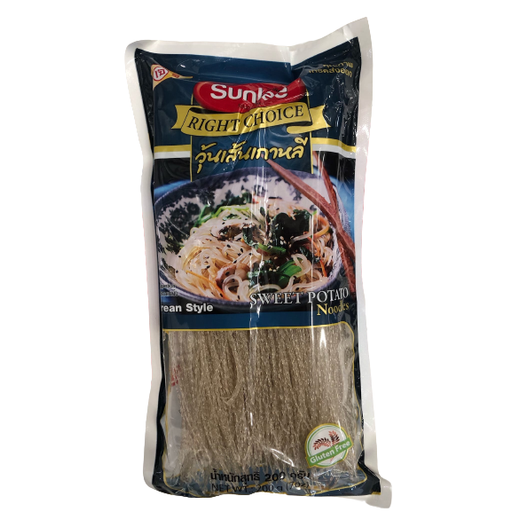
Why this fits the profile: These sweet potato noodles are an alternative to rice noodles when you're after a Korean texture and preparation method.
The main ingredient is clearly stated as sweet potato starch. So you're not buying rice noodles under a vague Asian umbrella term.
200 g pack; 89% sweet potato starch and 11% water according to the product information; allergen information states none of the 14 major EU allergens.
We've put together a full, up-to-date list of products that fully meet these strict selection criteria and comply with current European safety regulations.
No. Noodles made from rice can be gluten-free, but additions or cross-contamination may vary. Check the ingredients list and allergen declaration on the current packaging. Glass noodles, moreover, are not automatically gluten-free: Jing Xian Fang, for example, lists wheat starch.
For Pad Thai, medium-wide to wide rice sticks are typically used. A 5 mm variety is a practical choice. Extra-wide rice sticks of 10 mm can also work, but they give a noticeably thicker bite. Don't cook the noodles too soft before they go into the wok.
Store dried noodles in a cool, dry place away from direct sunlight. Seal the packaging well or use an airtight container. Check the use-by date before use and discard the contents if the packaging is damaged or the noodles have become damp.
