
当日/次日达

品质保障

开启新人专享福利: 全场免邮 | 低至 2 折 | 免费试用 30 天 JoyPlus 会员
下载 Joybuy
Rice noodles may seem simple at first glance: rice, water and a short cooking time. However, the wrong thickness or preparation method can quickly leave a dish limp, sticky or overly firm. You notice this particularly with Vietnamese rice noodles, Thai rice noodles and rice sticks for stir-fries.
When buying, do not focus only on words such as “authentic”, “premium” or “restaurant-style”. Pay particular attention to the ingredients, width and preparation instructions. This helps you avoid buying a large pack that is not suitable for your favourite recipe.
Rice vermicelli is usually thinner than rice sticks. A product labelled “wide vermicelli” may also be made from sweet potato, tapioca or corn starch instead of rice. This creates a different texture and does not automatically make the product suitable for pho or Pad Thai.
So check the millimetre measurement and the ingredients list. Thin noodles of around 1 mm work well in light broths, salads and fresh spring rolls. Noodles measuring 3 to 5 mm are more versatile for soups, stir-fries and Pad Thai. Wide rice noodles measuring 10 mm hold more sauce and offer a firmer bite.
Many dried rice noodles consist of rice flour and water and, according to the product information, contain none of the 14 major EU allergens. This applies, for example, to several varieties from Bamboo Tree, Sunlee and Erawan. However, you should always check the current packaging.
Some instant products or sauces contain wheat, soya, peanuts or sesame. Online product details may also differ from the packaging. If you are looking for gluten-free rice noodles, check both the noodles and any seasoning sachets or sauces.
Thin rice vermicelli may be ready after soaking for just a few minutes, while thicker dried rice noodles sometimes need to be boiled for 6 to 8 minutes first. Cooking them for too long results in a soft, fragile texture. Soaking them for too little time leaves the noodles hard in the middle.
Follow the instructions on the packaging and rinse the noodles with cold water after cooking if you plan to stir-fry them later. This slows further cooking and helps keep them separate.
Names vary from one brand to another. “Rice sticks”, “rice noodles”, “banh pho” and “kway teow” may refer to similar products, but the shape and thickness remain the deciding factors.
A short ingredients list is easy to assess. For example, Bamboo Tree lists rice, tapioca and water for several varieties. Sunlee Rice Stick Straight 3 mm is described as 90% rice and 10% water. Farmer Brand lists rice flour as an ingredient.
Pay extra attention to the flavour sachets in instant rice noodles. Yang Zhang Gui Wide Vermicelli contains, among other ingredients, soya, sesame and peanuts. The noodles are also made from sweet potato, tapioca and corn starch. This is a different type of product from classic rice noodles.
Dried rice noodles have a long shelf life and are convenient to keep in the cupboard. You can choose your own sauce, broth and toppings. Fresh varieties, such as Bún Tươi, often have a softer texture and only require brief soaking and rinsing.
Instant products are designed for speed. According to the product information, Acecook Nam Vang is cooked in 3 to 4 minutes. With Yang Zhang Gui, adding hot water and leaving the noodles to soak for 5 to 6 minutes is sufficient. With instant products, always check the salt content and allergens in the included seasonings; much of the flavour comes from these.
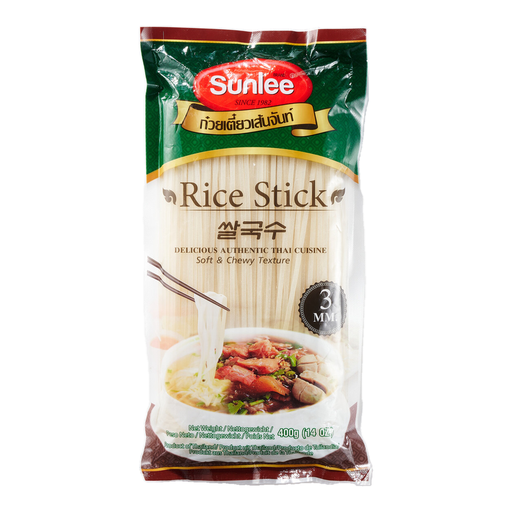
Why it suits this profile: The 3 mm size is versatile enough for stir-fries, soups and Pad Thai. The 400 g pack is practical for several meals.
The stated composition is 90% rice and 10% water; the clear 3 mm specification prevents you from having to guess based on the product name alone.
3 mm width, 400 g contents and a preparation time of approximately 3 to 4 minutes according to the product description.
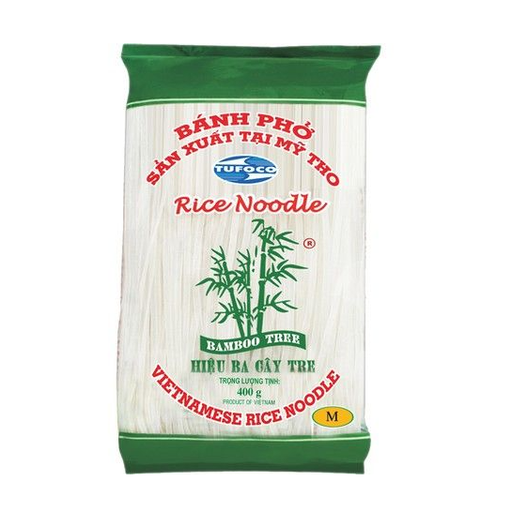
Why it suits this profile: A medium size gives you control with both Vietnamese and Thai recipes, without having to buy several types straight away.
The product information states the precise thickness and a base of rice, tapioca and water. Check the current packaging for the definitive allergen information.
3 mm width, 400 g pack and, according to the product listing, 360 kcal per 100 g.
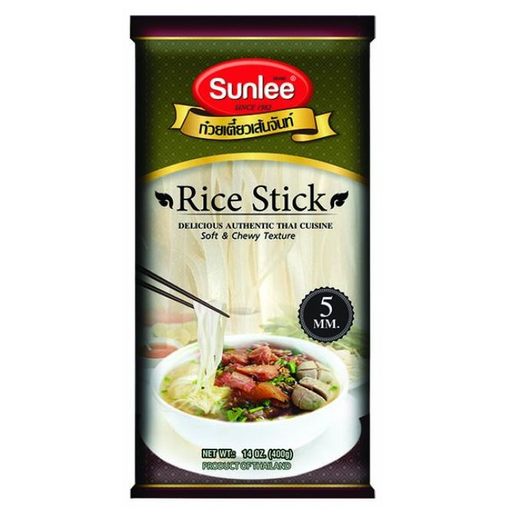
Why it suits this profile: The 5 mm size is suitable for hearty soups, stir-fries and Pad Thai when you want a more pronounced bite.
The product description states a preparation time of 6 to 8 minutes. This makes it clear that these noodles require more time than fine rice vermicelli.
5 mm width, 400 g contents and, according to the product information, a base of 90% rice flour and 10% water.
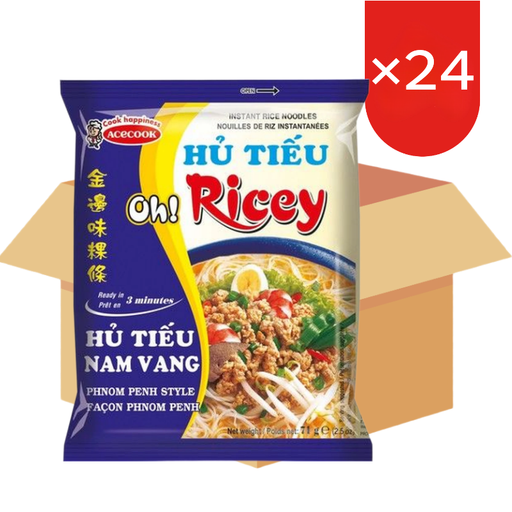
Why it suits this profile: A box of portion packs is convenient for the office, stocking up or enjoying a meal without having to buy separate broth and sauce.
The portion size and preparation time are clearly stated. However, pay attention to the listed allergens: soya, crustaceans and celery.
71 g per portion, 24 packs per box and a preparation time of approximately 3 to 4 minutes according to the product description.
We have put together a complete, up-to-date list of products that fully meet these strict selection criteria and the applicable European safety regulations.
Rice sticks measuring 3 to 5 mm are often used for Pad Thai. If you prefer a firmer bite, you can choose a 5 or 10 mm variety. Check the preparation method: noodles that need soaking first are convenient when they will then continue cooking in the wok.
For pho, Vietnamese rice noodles measuring around 3 to 4 mm are a practical choice. A product such as Vifon Banh Pho is described as 3 mm and is intended for soups and stir-fries. Thin 1 mm noodles can also be used, but they soften more quickly in hot broth.
Cook or soak them according to the instructions on the packaging, drain them immediately and, where necessary, rinse them briefly with cold water. Then mix them with the sauce or a small amount of oil. Store opened dried rice noodles in an airtight container in a cool, dry place and always check the best-before date on the packaging.
