
Vandaag of morgen in huis

Kwaliteit gegarandeerd

Welkomstaanbiedingen ontgrendelen: GRATIS bezorging | Tot 80% korting | Gratis 30 dagen JoyPlus-proefperiode
Download de app
Rice noodles are versatile, quick to prepare and available in many shapes. Yet not every packet is suitable for every dish. A thin rice vermicelli behaves very differently from wide rice sticks, while instant rice noodles often contain seasonings, oil and allergens you might not expect.
If you’re planning to buy rice noodles online, it pays to look beyond a photo or words like “authentic” and “quick to cook”. Always check the size, the ingredients and the preparation method. That way, you’ll avoid soggy noodles in your pho, broken strands in your pad thai, or a product that doesn’t fit your dietary choices.
The label “rice noodles” tells you very little about the final texture. Thin noodles around 1 mm are suitable for rice vermicelli, bun bowls, salads and light soups. For pad thai or hearty stir-fries, rice sticks of 3 to 10 mm are usually more practical. A noodle that’s too thin can quickly turn soft when you toss it.
Many rice noodles are made from rice and water and, according to the product information, contain none of the 14 major EU allergens. This applies, for example, to various options from Bamboo Tree, Green Delight and Sunlee. However, always check the current packaging. Some instant products contain wheat in the broth, soy sauce or seasoning sachets. A product description may also state that an item contains gluten, even if the noodles themselves are mostly rice-based.
Thin noodles sometimes only need soaking, whereas thicker rice sticks require a few minutes of boiling. Instant rice vermicelli is usually quick to prepare, but often comes with several seasoning sachets and can be relatively high in salt. So look at both the cooking instructions and the nutritional information per 100 g or per serving.
Use this practical guide as a starting point:
The shortest ingredients list isn’t automatically the right choice, but it does make comparing easier. According to the product information, Bamboo Tree Rice Noodles 1mm contains rice, tapioca and water. Green Delight Rice Vermicelli lists rice and water. Sunlee Rice Vermicelli Noodles 400g lists rice flour and water and is described as gluten-free.
Watch out for exceptions. VIFON Instant Rice Vermicelli Beef Hue Style lists wheat, fish and prawns as allergens. Bai Jia Hot & Sour Vermicelli contains wheat, sesame and sulphites, among other things. With composite instant products, you need to consider the ingredients of the noodles, broth, oil and toppings together.
A 400 g packet is practical for multiple meals, while a 200 g bag may be suitable for a smaller household. Products vary widely in preparation:
If you’re using cooked rice noodles in a salad or plan to stir-fry them later, briefly rinse them with cold water. This stops them from cooking further and reduces the chance of them sticking together.
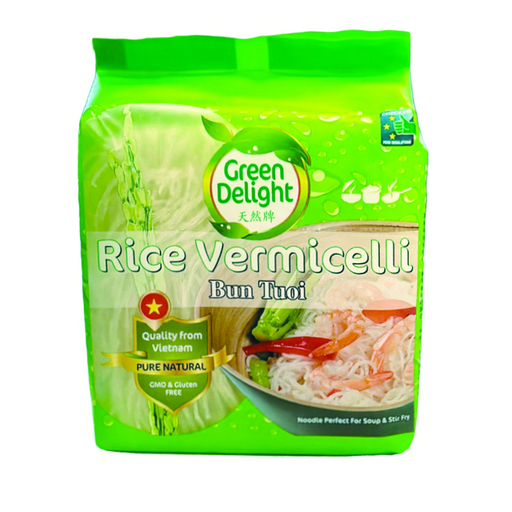
Why this fits the profile: The 200 g packet is manageable for anyone trying rice vermicelli for the first time who doesn’t want to buy in bulk. The thin texture works well in soups, salads and stir-fries.
The product information lists rice and water as ingredients and gives a clear use for wok dishes, soups and salads. Check the current packaging for allergens.
200 g packet; thin rice vermicelli; suitable for a variety of Asian dishes.
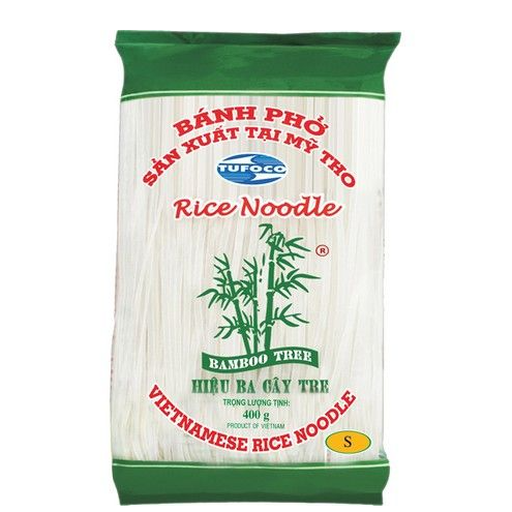
Why this fits the profile: The 1 mm thickness is designed for Vietnamese rice noodles used in pho, bun bowls and light dishes. The packet contains 400 g for regular use.
The specification clearly states the thickness and origin. This makes it easier to distinguish from wide Thai rice sticks.
1 mm thickness; 400 g content; ingredients according to product information: rice, tapioca and water.
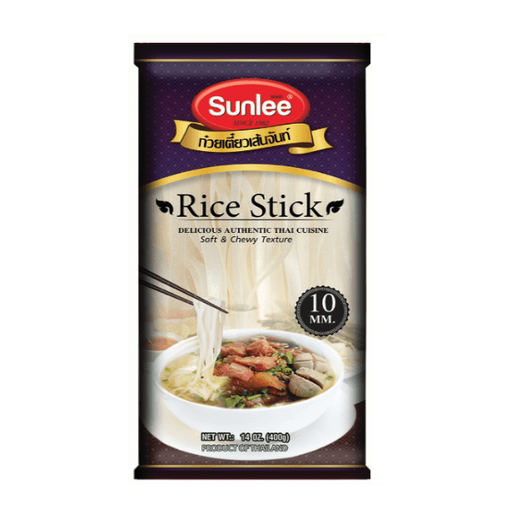
Why this fits the profile: The wide 10 mm rice sticks are intended for hearty dishes with sauce, such as pad thai, stir-fries and substantial soups.
The width is clearly stated in the product name. So you don’t have to use a thin vermicelli for a dish that calls for wide noodles.
10 mm wide; 400 g content; according to the product information, gluten-free and free from artificial colours or preservatives.
We’ve put together a full, up-to-date list of products that fully meet these strict selection criteria and comply with current European safety regulations.
First, read the instructions on the packet. Use plenty of water for dry rice vermicelli and gently stir to separate. Drain the noodles as soon as they are soft but still firm. For a stir-fry, you can cook them for slightly less time, as they will continue to cook in the pan.
For cold salads or bun bowls, a quick rinse with cold water helps. If you’re not serving the noodles straight away, toss them with a small amount of dressing or oil. Store opened dry noodles in a sealed container, in a cool, dry place away from moisture and heat.
For pho, thin Vietnamese rice noodles or rice vermicelli are usually used. Look for a size around 1 mm and check the preparation method, so the noodles don’t become too soft in the hot broth.
For pad thai, rice sticks of around 3 to 10 mm are common choices. Thinner sticks cook more quickly; wide 10 mm sticks give a fuller bite. The sauce, soaking time and wok temperature all influence the final result.
No. Many dry rice noodles list only rice, water and sometimes tapioca in their ingredients, but composite instant products may contain wheat, soy sauce or other allergens. Always check the label on the full packet and follow the current allergen information.
