
Vandaag of morgen in huis

Kwaliteit gegarandeerd

Welkomstaanbiedingen ontgrendelen: GRATIS bezorging | Tot 80% korting | Gratis 30 dagen JoyPlus-proefperiode
Download de app
Rice noodles may seem simple at first glance: rice, water and sometimes tapioca. Yet the difference between 1 mm, 3 mm and 10 mm can be noticeable in the pan. A noodle that is too thin can quickly turn soft in a stir-fry, while a wide rice stick is less suitable for a light soup.
Terms such as “authentic”, “gluten-free” and “ready in no time” also deserve attention. Always check the ingredients, preparation method and allergen information on the packaging. Product information online may change, and the packaging may contain more or different details.
Packaging often mentions dishes such as pad thai, pho or stir-fries. This does not automatically mean that every noodle will have the same texture when prepared that way. Thin rice noodles, for example, are suitable for light broths and salads, while rice sticks measuring 3 mm or wider are better suited to stir-frying.
Rice vermicelli usually consists of fine, thin strands. Rice sticks are often straighter and wider. Recipes sometimes use the terms interchangeably, but shape and thickness are important for the final result. So do not just look for “Vietnamese rice noodles” or “Thai rice noodles” on the front of the pack. Check the measurement in millimetres too.
Rice itself does not contain gluten, but added ingredients, production lines or unclear labelling may still be relevant to people with an allergy or coeliac disease. Check the ingredients and allergen information on the current packaging. According to the product information, the Bamboo Tree 1 mm, 3 mm, 5 mm and Bun Toui variants in this selection do not contain any of the 14 major EU allergens. Information may differ for other brands.
Use this classification as a practical guide:
The right size depends on the sauce, cooking method and texture you want. Where possible, follow the preparation instructions on the packaging rather than relying solely on the instructions in a recipe.
Do not compare rice percentages alone. For example, Bamboo Tree Rice Noodles 1 mm, 3 mm and 5 mm list rice, tapioca and water as ingredients, with 72% rice according to the product information. Farmer Brand Rice Stick Noodle 3 mm lists rice flour as an ingredient. Sunlee Thai Style Rice Vermicelli contains 88% rice and water.
Tapioca or starch can affect firmness and flexibility. This is not a guarantee of quality, but it is a verifiable product specification that can help when comparing products.
Check the following before buying:
One point to note: the supplied product information for Sunlee Vietnamese Rice Noodles lists both “rice and water” and an allergen warning for wheat and soya. These details do not appear to be fully consistent. Always check the label on the packaging when allergens are important.
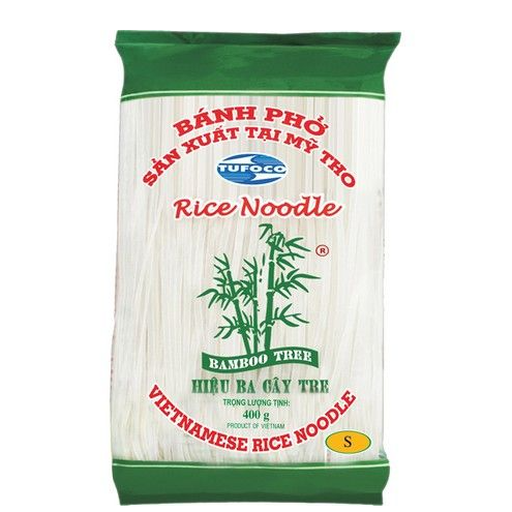
Why it suits this profile: The 400 g pack is practical if you want to try different Vietnamese recipes without immediately buying a large pack. The 1 mm thickness is suitable for light soups, salads and spring rolls.
The size is clearly stated, so you do not have to rely solely on the name of the dish. According to the product information, the ingredients are rice, tapioca and water.
1 mm thickness, 400 g contents and, according to the information provided, none of the 14 major EU allergens.
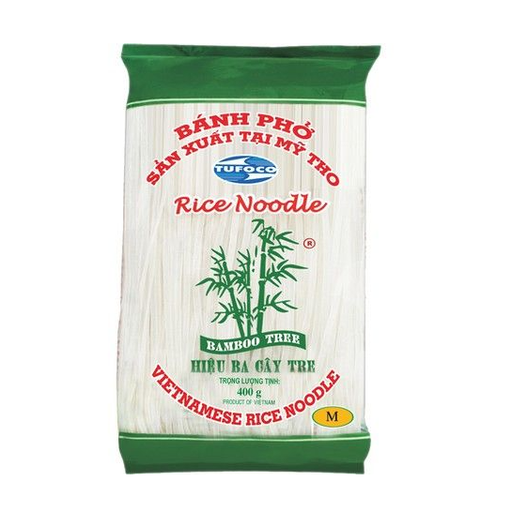
Why it suits this profile: 3 mm is a useful medium size for home cooks who want to use rice noodles in a range of Asian dishes, from stir-fries to soups.
The exact width is stated, and the composition is clearly described as 72% rice with tapioca and water. This makes it easier to match the texture to your recipe.
3 mm width, 400 g pack and Vietnamese origin according to the product description.
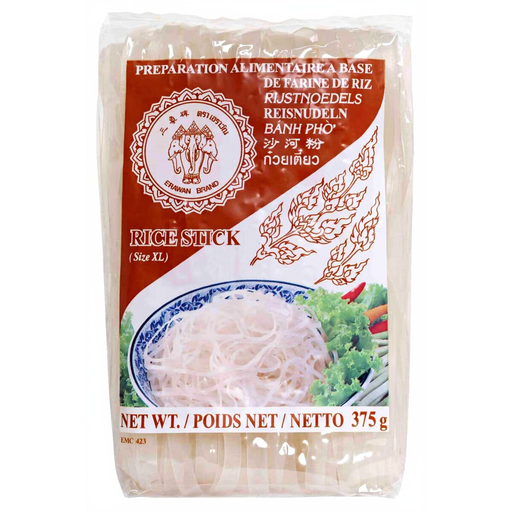
Why it suits this profile: The wide shape is designed for recipes that call for a firm, substantial noodle, such as pad thai, stir-fries and hearty soups.
The 10 mm width is clearly stated. This means you will not accidentally buy fine vermicelli when you are looking for wide rice noodles for a stir-fry.
10 mm wide rice stick, 375 g contents and ingredients of rice flour and water according to the product information.
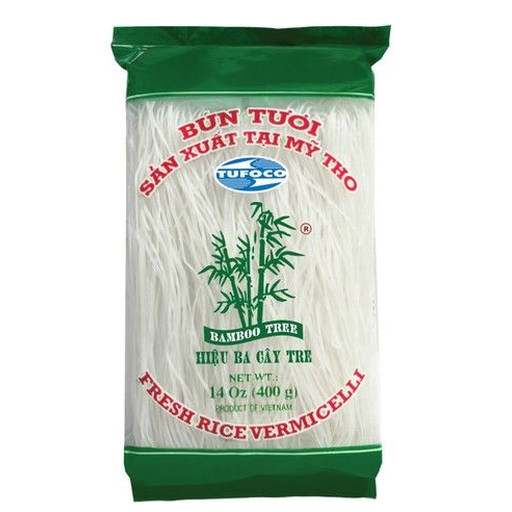
Why it suits this profile: According to the product information, this Vietnamese rice vermicelli is gluten-free and suitable for salads, soups and other dishes that use fine strands.
The product information explicitly states its gluten-free properties. Even so, check the current packaging and any precautionary allergen statements.
400 g pack, fine vermicelli and, according to the product description, none of the 14 major EU allergens.
We have put together a complete, up-to-date list of products that fully meet these strict selection criteria and the applicable European safety regulations.
The preparation method varies from product to product. For some thin rice noodles, soaking in warm water is enough; other varieties need to be boiled briefly. Keep the following points in mind:
Rice sticks between 3 mm and 10 mm wide are often used for pad thai. The best choice depends on the bite you want and the recipe. A 3 mm variety is more versatile, while 10 mm gives you a wider, firmer noodle. Always check the recommended soaking or cooking time.
No, do not rely solely on the name. Check the ingredients, allergen information and any precautionary allergen statement on the packaging. Some products consist of rice and water, while others contain starch or additional ingredients.
The shelf life is stated on the packaging and varies by product. Store dry rice noodles in a cool, dry place away from direct sunlight. Reseal the pack carefully after opening, and do not use the product if the packaging is damaged.
