
Vandaag of morgen in huis

Kwaliteit gegarandeerd

Welkomstaanbiedingen ontgrendelen: GRATIS bezorging | Tot 80% korting | Gratis 30 dagen JoyPlus-proefperiode
Download de app
Rice noodles may seem simple at first glance: rice, water and a short preparation time. Yet the wrong type can quickly fall apart, become too soft or fail to absorb enough sauce. You’ll notice this especially with Pad Thai, pho, stir-fries and cold bun bowls.
When you want to buy rice noodles, don’t just look at the brand or packaging. The thickness, ingredients, cooking method and portion size determine whether the noodles suit your dish. Claims such as “gluten-free” also require you to check the label.
Rice vermicelli around 1 mm is thin and light. This variety works well in spring rolls, salads, soups and Vietnamese bun bowls. For Pad Thai, wider rice sticks are usually used, for example 3 mm or more. Extra-wide rice sticks of 10 mm give a firmer bite, but also require a different cooking time.
Using a thin noodle for a dish that expects a wide rice stick can result in a limp texture. Conversely, a wide noodle in a light soup can feel too heavy.
Check the ingredients list. Some products consist of 100% rice, while others also contain tapioca, rice starch, modified starch or salt. This isn’t automatically a disadvantage, but it does affect the firmness and texture.
Also pay attention to the difference between rice noodles and glass noodles. Go-Tan Vermicelli Noodles (100 g), for example, are made from mung bean starch. These are not rice noodles, even though they are used in similar Asian dishes.
Many rice noodles are marketed as gluten-free. Nevertheless, always check the actual packaging, especially for products where the online information is limited or incomplete. The Bamboo Tree and various Sunlee varieties in this overview do not list any of the 14 main EU allergens. However, with Sunlee Vietnamese Rice Noodles (454 g), the product information also contains a contradictory allergen mention with wheat and soya, while the ingredients list only rice and water. In such a case, use the packaging as the leading source.
Use this practical guide as a starting point:
The naming varies by brand. “Rice vermicelli”, “rice sticks” and “rice noodles” are sometimes used interchangeably. Therefore, always look at the millimetre measurement if available.
If you’re looking for gluten-free noodles, start with varieties whose label lists only rice, rice flour, tapioca and water. Also check the allergen information and packaging. A product description on a web shop may be outdated or contain less information than the physical label.
Examples of simple ingredient lists include:
These ingredient lists give an indication, but they don’t solely determine how the noodles taste. The preparation method and cooking time have at least as much influence on the final result.
A pack of 400 g of rice noodles is practical for multiple meals or a family. For your store cupboard, 908 g packs are interesting, but with products that have a short shelf life, pay extra attention to the date and storage instructions.
Store dry rice noodles in a cool, dry place, tightly sealed. Do not use the noodles if the packaging is damaged. For fresh or short-life varieties, such as certain Bun Tuoi products, the date is especially important.
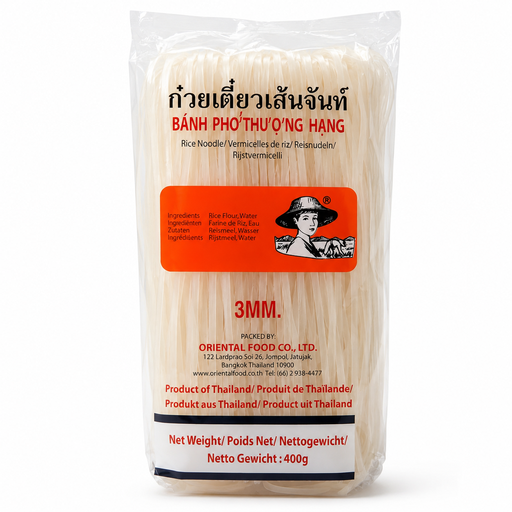
Why this fits the profile: The 3 mm size is versatile for a first Pad Thai, stir-fry or noodle soup. The 400 g pack is manageable for regular home use.
The clear thickness prevents you from choosing a too-fine vermicelli for a stir-fry. Do check the preparation instructions on the packaging.
3 mm thickness, 400 g pack and, according to the product information, solely rice flour as an ingredient.
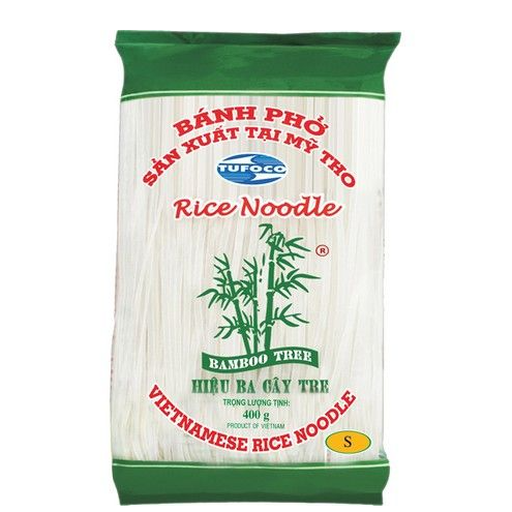
Why this fits the profile: These Vietnamese rice noodles are suitable for anyone specifically looking for fine noodles for bun bowls, soup, salad and spring rolls.
The stated 1 mm thickness makes the choice more transparent than a pack that only says “rice noodles”.
1 mm thickness, origin Vietnam and a composition of rice, tapioca and water according to the product information.
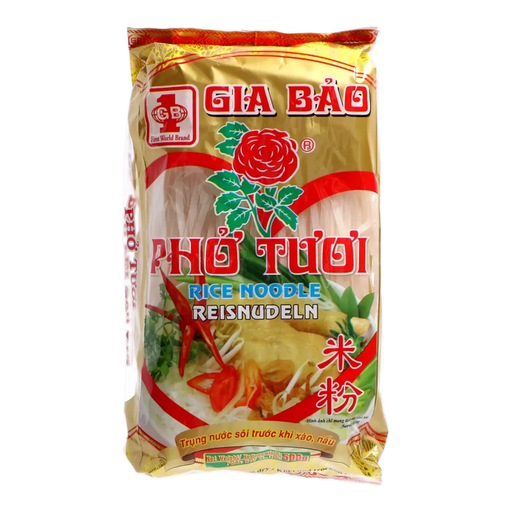
Why this fits the profile: The wide 4 mm noodle is specifically intended for pho and other Vietnamese soups with hot broth.
The product name and 4 mm measurement give a clearer picture than general terms like “Asian noodles”.
4 mm width, 500 g pack and designed for pho according to the product description.
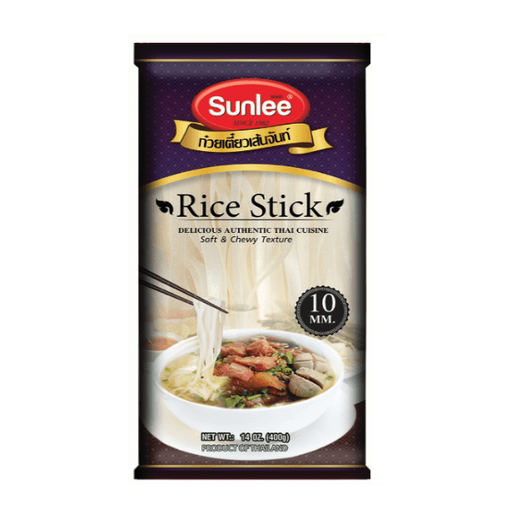
Why this fits the profile: The extra-wide 10 mm rice sticks are intended for anyone seeking a firm texture in Pad Thai, stir-fries or thick noodle soup.
The clear 10 mm specification prevents you from accidentally ordering fine vermicelli for a hearty wok dish.
10 mm width, 400 g pack and, according to the product description, free from artificial colours and preservatives.
Always follow the instructions on the packaging. In general, this approach works well:
We’ve put together a full, up-to-date list of products that fully meet these strict selection criteria and comply with current European safety regulations.
Many rice noodles, according to the product information, do not contain any of the 14 main EU allergens. This does not automatically apply to every product. Always check the label, especially when the online ingredients and allergen information is not fully consistent.
For Pad Thai, rice sticks of around 3 mm are usually used. If you want a wider, firmer texture, you can choose a 10 mm variety. Thin rice vermicelli is generally more suitable for salad, spring rolls or light soup.
Unopened dry rice noodles often have a long shelf life when stored in a cool, dry place, sealed. Always check the date on the packaging. After opening, it’s important to seal them well to avoid moisture and contamination.
