
Vandaag of morgen in huis

Kwaliteit gegarandeerd

Welkomstaanbiedingen ontgrendelen: GRATIS bezorging | Tot 80% korting | Gratis 30 dagen JoyPlus-proefperiode
Download de app
Rice noodles may look similar, but differences in thickness, shape and preparation have a big impact on the final result. Noodles that are too thin can quickly turn soft in a wok, while wide rice sticks need more time to cook through properly. Also, not every product labelled “rice noodles” is automatically gluten-free.
When buying rice noodles in the UK, you’re most likely to come up against three common pitfalls:
The width determines how firm the noodle feels and how well it absorbs sauce or broth.
For Vietnamese rice noodles and bun dishes, thin varieties are often the most practical. For Thai rice noodles for Pad Thai, rice sticks of 3 to 5 mm are a logical choice. If you want to stock your cupboard for several different dishes, a 400 g pack of rice noodles can be used for a range of recipes.
Many dried rice noodles are made from just rice and water. Some varieties also contain tapioca or starch. This can affect the texture, but on its own it doesn’t say anything about quality.
If you have a gluten intolerance, always check the current label. Products such as Wai Wai Rice Noodle Kway Teow, Green Delight Rice Vermicelli and various Sunlee and Bamboo Tree varieties are described in the product information as free from the 14 major EU allergens. Still, check the packaging, because formulations and product information can change.
Pay extra attention to instant products. The noodles themselves may be rice-based, but the flavouring could contain soya, wheat, peanut or sesame, for example. The MAMA Pad Thai variety lists wheat and soya, making it unsuitable if you’re looking for gluten-free noodles.
Follow the instructions on the packet rather than relying solely on cooking time. A general guideline:
For a stir-fry, the noodles should be slightly firmer, as they will continue to cook in the wok. For pho or another soup, you can prepare them separately and then add them to the bowl. This keeps the broth clearer and gives you better control over the texture.
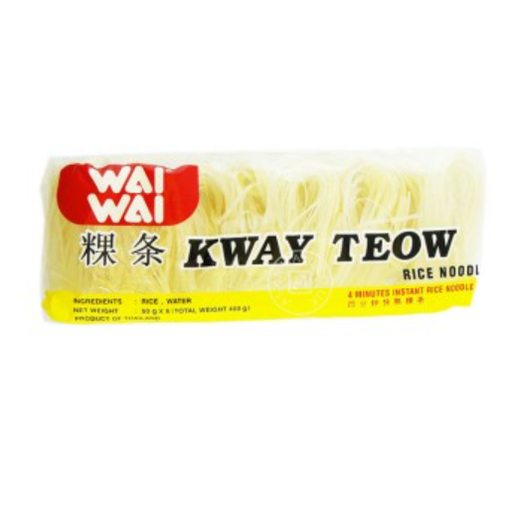
Why it fits this profile: The 400 g pack is enough for several meals. The ingredients list is short: 90% rice and 10% water.
The straightforward base without seasoning powder prevents you from mistaking an instant product for dried cooking noodles.
400 g content, 0.9 g fat per 100 g according to the product information, and none of the 14 major EU allergens listed.
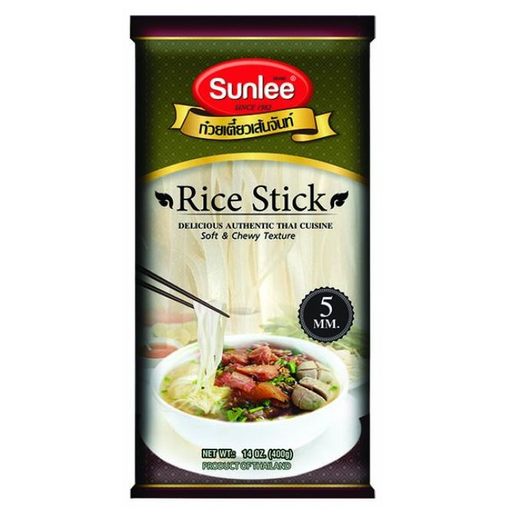
Why it fits this profile: The 5 mm width provides a firm base for Pad Thai, stir-fries and soups.
The stated cooking time of 6–8 minutes makes preparation more predictable than guessing based on appearance.
5 mm rice stick, 400 g content and, according to the product description, made from 90% rice and 10% water.
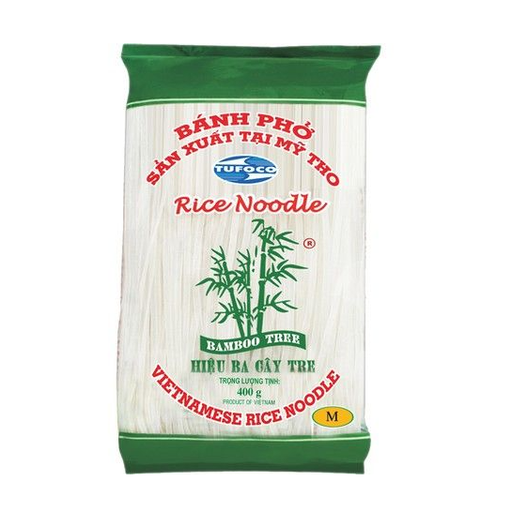
Why it fits this profile: The 3 mm size is useful for Vietnamese rice noodles, wok dishes and bowls with broth.
The stated width prevents you from choosing a fine vermicelli for a dish that needs more bite.
400 g pack, 3 mm width and, according to the product information, rice, tapioca and water as ingredients.
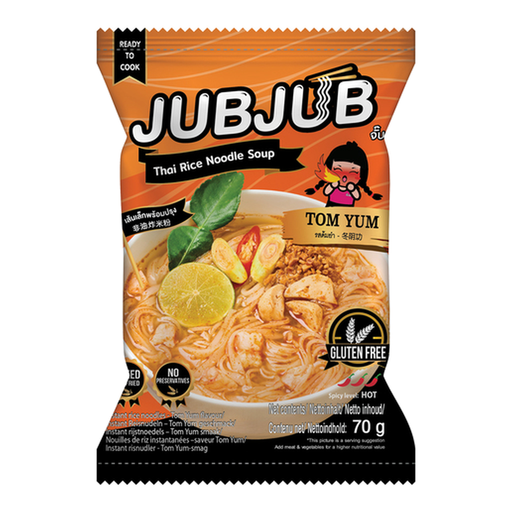
Why it fits this profile: The single-serving pack and preparation instructions using 400 ml of boiling water are handy for the office, a student room or a quick meal.
Preparation takes about 3 minutes according to the label. Do check the flavourings for allergens and the salt content.
70 g serving, tom yum flavour and clear instructions for cooking in boiling water.
We’ve put together a full, up-to-date list of products that fully meet these strict selection criteria and comply with current European safety regulations.
Rice vermicelli consists of very fine threads. This type suits pho, cold salads, spring rolls and light stir-fries. For a meal with plenty of vegetables, 200 g may be enough; for families, packs of 375 or 400 g are more practical.
Rice sticks are flatter and wider. They generally stay more recognisable in Pad Thai and stir-fries. Sunlee Rice Stick Straight 3mm 400g is an example for anyone looking for a size between fine vermicelli and wide noodles. For an extra-wide structure, you could look at a 10 mm variety, such as Erawan Rice Stick 10 mm 375 g.
Instant rice noodles often come with a sachet of seasoning or sauce. This saves time, but makes the ingredients list longer. Always check allergens, portion size and nutritional values. An instant product is not automatically suitable for a vegan or gluten-free diet.
Store dried rice noodles in a cool, dry place, away from moisture and direct sunlight. Seal the packet well after opening or use an airtight storage container. Check the best-before date on the packaging.
It’s better not to cook the whole bag at once if you only need one portion. Depending on the thickness, roughly 50 to 75 g of dried noodles per person is a useful starting point. The right amount depends on the role of the noodles in the dish and on how many vegetables, tofu, egg or other ingredients you’re using.
Rice itself does not contain gluten, but always check the full label. Some instant rice noodles contain wheat in the seasoning mix or sauce. Products made with only rice, water and possibly tapioca are often described as gluten-free, but the packaging remains the final authority.
Soak or cook them according to the instructions and keep them slightly firmer than if you were serving them straight away. Then add them to the wok with the sauce and other ingredients. This way they cook further without turning mushy straight away. Rice sticks of about 3 to 5 mm are practical for this.
The exact shelf life is stated on the packaging. Unopened dried rice noodles generally keep for a long time when stored in a dry, dark place. After opening, a well-sealed packet is important to keep out moisture and contamination.
