
Vandaag of morgen in huis

Kwaliteit gegarandeerd

Welkomstaanbiedingen ontgrendelen: GRATIS bezorging | Tot 80% korting | Gratis 30 dagen JoyPlus-proefperiode
Download de app
Rice noodles seem simple at first glance: rice, water and sometimes tapioca. Yet the result varies greatly depending on the type. A thin noodle for a salad behaves differently from a wide rice stick for pad thai. Terms like Vietnamese rice noodles, rice vermicelli and glass noodles are also frequently used interchangeably.
If you buy without checking the packaging carefully, you mainly run into three problems: the wrong thickness, a preparation method that doesn't suit the dish, and unclear information about ingredients. With this practical checklist, you can compare rice noodles based on verifiable specifications and make a more targeted choice.
"Vermicelli", "rice sticks" and "bún" are not complete product specifications. The diameter largely determines how quickly the noodles soften and how much sauce or broth they absorb. A 1 mm noodle is not simply interchangeable with a 10 mm rice stick.
Always check:
Glass noodles, also known as mung bean vermicelli or Longkou vermicelli, are usually made from mung bean or other starches. They become translucent after cooking. Rice noodles remain more white and have a different bite.
Also watch out for exceptions. Some glass noodles contain wheat starch according to the product information. Jing Xian Fang Glass Noodles, for example, consists of 97% edible wheat starch and 3% pea starch, and lists wheat as an allergen. "Glass noodle" therefore does not automatically mean gluten-free.
Many rice noodles are made from rice, tapioca and water and, according to the product information, contain none of the 14 main EU allergens. This applies, for example, to several Bamboo Tree products. However, recipes, production locations and packaging can change.
If you have an allergy or coeliac disease, always check the current packaging. Do not rely solely on a product title, image or older online description. Also look out for warnings such as "may contain traces".
The diameter is a practical starting point:
For pho, thin to medium-width noodles are often used. For pad thai, wider Thai rice noodles or rice sticks are usually more convenient, as they are less likely to lose their structure when tossed.
Don't just compare the percentage of rice. Bamboo Tree Rice Noodles 1 mm and 3 mm, for example, list 72% rice, with tapioca and water as additional ingredients. Other products are made from 100% rice, such as the Sunlee Vietnamese Rice Stick Noodles 908 g according to the product information provided.
Tapioca can affect the texture, but the precise cooking experience also depends on thickness and preparation. Always check whether wheat, soya or other allergens are listed on the label. With Bai Xiang Mung Bean Vermicelli, wheat is clearly part of the ingredients list; this product is therefore not suitable for a gluten-free diet.
Dried rice noodles are handy for store cupboards and meal prep. A 400 g pack is practical for household use. Larger packs of 908 g or 1,000 g are more interesting for families, catering, or anyone who cooks Asian food several times a week.
Fresh bún tươi offers a different experience. The product information for Sunlee Vietnamese Rice Stick Noodles states a weight of 908 g and a limited shelf life of 21 days. So with fresh products, pay extra attention to the date, storage and instructions.
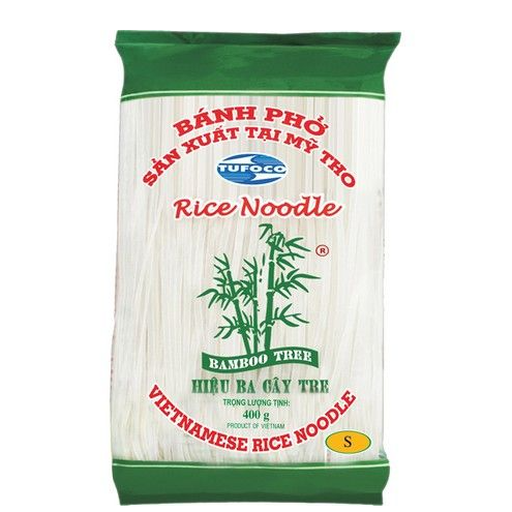
Why this fits: A compact pack for anyone wanting to try different Vietnamese dishes without buying in bulk straight away.
The thickness is clearly stated: 1 mm. This way you won't buy a wide noodle when you're actually looking for fine vermicelli.
400 g per pack; ingredients are rice, tapioca and water. The product information lists none of the 14 main EU allergens.
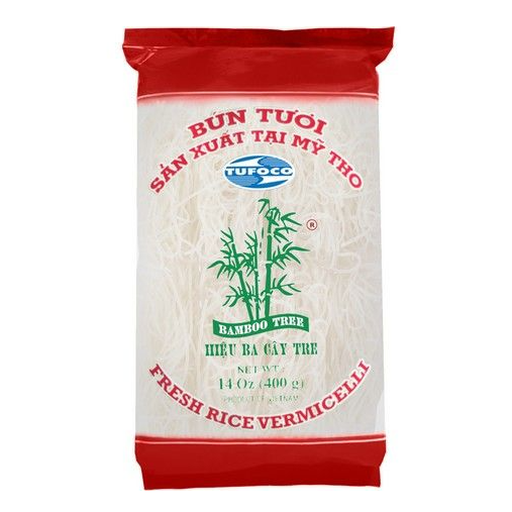
Why this fits: Aimed at bún bò Huế, bún chả, noodle salads and other Vietnamese preparations where a soft, fresh style is desired.
The preparation instructions state 3 to 5 minutes soaking in boiling water, then draining and rinsing with cold water.
The ingredients list states rice, tapioca and water. Do check the current packaging and shelf-life information before purchasing.
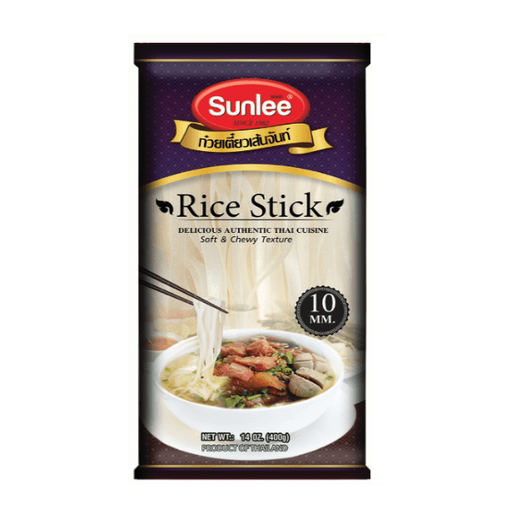
Why this fits: The wide rice stick is intended for Thai dishes, stir-fries, soups and cold salads.
The product name explicitly states the width. This means this choice cannot be confused with fine rice vermicelli.
400 g pack and 10 mm thickness; according to the product description, free from artificial colours or preservatives.
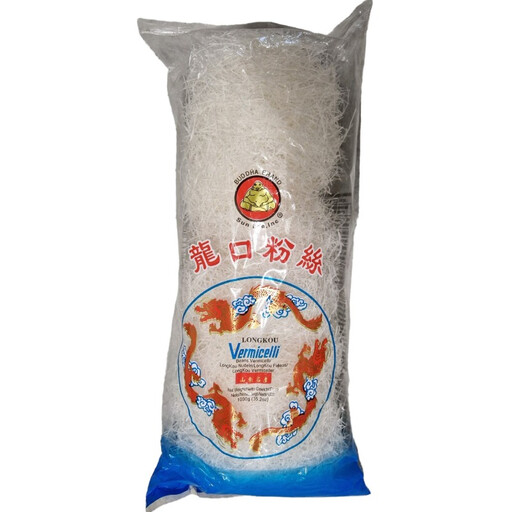
Why this fits: A large bulk pack for hotpot, stir-fries, soups, salads and spring rolls.
You won't be buying small bags for regular use. However, do check the "may contain soya or gluten" statement on the product information.
1,000 g mung bean starch vermicelli; suitable for multiple preparation methods and, according to the product information, fat-free.
Browse a current selection of natural vermicelli and compare packaging, ingredients and uses before you order.
Always follow the instructions on the packaging. As a general rule:
Don't automatically rinse noodles with cold water. For cold dishes, this helps stop the cooking process; with hot stir-fries, too much residual water can dilute the sauce.
No. Many products based on rice, tapioca and water list none of the 14 main EU allergens. But some products may contain wheat or traces of gluten. Therefore, always check the current ingredients list and allergen information.
For pad thai, wider Thai rice sticks are generally suitable, for example around 5 to 10 mm. The right choice depends on your preference and the preparation method. A 10 mm rice stick gives a clearly firm texture; fine vermicelli is usually less suitable for this.
According to the label, store unopened dried rice noodles in a cool, dry place away from direct sunlight. Seal an opened pack tightly and do not use the product if the packaging is damaged. The exact best-before date is on the packaging.
