
Vandaag of morgen in huis

Kwaliteit gegarandeerd

Welkomstaanbiedingen ontgrendelen: GRATIS bezorging | Tot 80% korting | Gratis 30 dagen JoyPlus-proefperiode
Download de app
Rice noodles come in many forms: from fine rice vermicelli to wide rice sticks. At first glance, packets can look very similar, but the thickness, ingredients and preparation method determine whether your noodles work well in pho, pad thai, a salad or spring rolls.
The biggest mistakes usually come down to three common misunderstandings:
The diameter is one of the most important buying criteria.
The names Vietnamese rice noodles and Thai rice noodles often refer to the culinary use or style, but don't always tell you exactly how wide the noodles are. So also look at the millimetre measurement.
Many rice noodles are made from rice or rice flour, water and sometimes tapioca or salt. Tapioca can contribute to a softer texture, but the ratio varies by brand.
If you're looking for a gluten-free alternative, don't just check the front of the packet. Look at:
For several products in this range, it states that they contain none of the 14 main EU allergens. This applies, for example, to several Bamboo Tree and Farmer Brand products according to the product information provided. However, for Sunlee Vietnamese Rice Noodles 454 g, alongside "rice and water" there is also an allergen mention of wheat and soya. That's contradictory information. So always check the label before consuming and contact the seller if in doubt.
A common mistake is treating rice noodles like wheat pasta. Some varieties need to be soaked in warm or boiling water first; others are boiled briefly.
Look out for these practical differences:
Follow the instructions on the packet. The stated preparation time is a starting point; the firmness you want can vary by recipe.
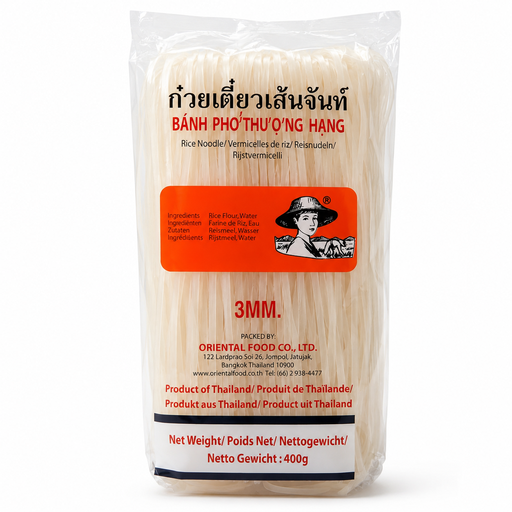
Why this fits: A practical middle size for anyone wanting to try different Asian noodle dishes at home without buying multiple thicknesses.
The 3 mm thickness is clearly stated. The ingredients list rice flour as the base, and the product information states it contains none of the 14 main EU allergens.
400 g packet; 3 mm wide; ingredients: rice flour; suitable for multiple uses.
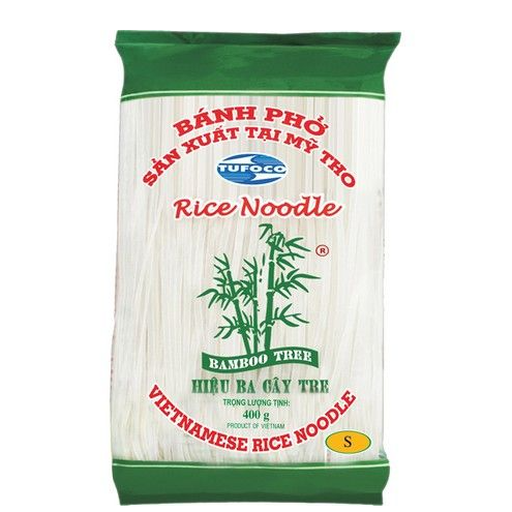
Why this fits: The fine 1 mm texture suits light Vietnamese noodle dishes, bun bowls and spring rolls.
The product name states the exact thickness, so you won't order wide rice sticks for a recipe that needs fine vermicelli.
400 g; 1 mm thick; made with rice, tapioca and water; according to the product information, free from the 14 main EU allergens.
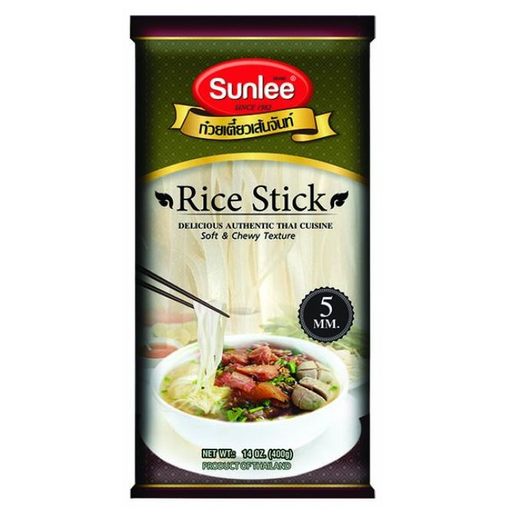
Why this fits: The 5 mm width is designed for dishes where the noodles are added to a sauce or broth after soaking.
The size is clearly specified and the preparation information mentions 6 to 8 minutes of boiling. Check the actual packaging for the final instructions.
400 g; 5 mm rice stick; composition according to the description: 90% rice flour and 10% water.
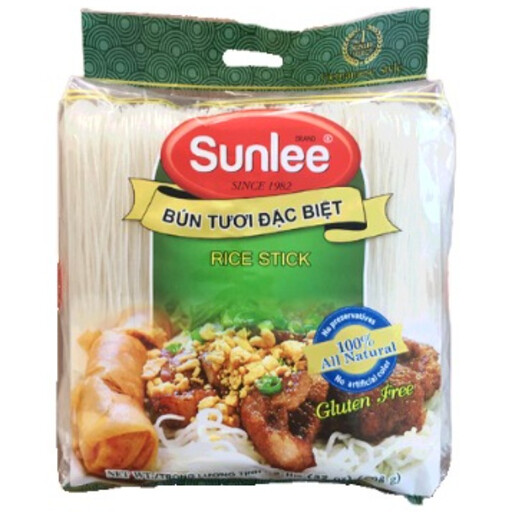
Why this fits: The larger packet is practical for regular use, meal planning or a household where Vietnamese dishes are made often.
The product information states 1.2 mm and 908 g. This avoids confusion with dried 400 g packets, but pay attention to the stated shelf life and storage.
908 g; 1.2 mm; according to the product information, made from 100% rice; the stated short shelf life of 21 days needs extra attention.
Browse the current range of vermicelli noodles and compare packet size, thickness, ingredients and use before you order.
No, you can't assume that without checking. Products that contain only rice, water, tapioca or salt may, according to the listed ingredients, be suitable for a gluten-free diet. However, always check the actual label, the allergen information and any warnings about traces.
For pad thai, rice sticks of around 3 to 5 mm are often used. A 5 mm variety gives a more noticeable structure, while 3 mm cooks faster and can also work for other stir-fries. Follow the preparation instructions and don't cook the noodles for too long before they go into the pan.
Soak or boil them according to the packet and drain them straight away once they have the right firmness. Rinse some varieties briefly with cold water, especially if you're using them later in a salad or stir-fry. Then mix them with the sauce or a little oil, depending on the recipe. Store opened dry noodles in an airtight container, in a cool, dry place.
