
Vandaag of morgen in huis

Kwaliteit gegarandeerd

Welkomstaanbiedingen ontgrendelen: GRATIS bezorging | Tot 80% korting | Gratis 30 dagen JoyPlus-proefperiode
Download de app
Rice noodles may seem simple at first glance: rice, water and sometimes tapioca. Yet choosing the wrong thickness can make or break a dish. Noodles that are too thin quickly turn soft in hot broth, while wide rice sticks are not always suitable for a light salad. Terms such as rice vermicelli, rice sticks, “gluten-free” and “instant” are not always used clearly either.
As a Joybuy Product Recommendation Officer, I therefore focus mainly on verifiable details: the ingredients, thickness, pack size, preparation method and allergen information. This helps you avoid buying a pack that does not suit your recipe or dietary requirements.
“Vietnamese rice noodles” and “Thai rice noodles” tell you something about the cooking tradition, but not always about the precise use. Vermicelli measuring 1 mm behaves differently from a 5 or 10 mm rice stick. Always check the stated width or thickness.
Rice noodles often contain no wheat, but added ingredients, sauces or production lines may still involve allergens. For dry products such as Bamboo Tree Rice Noodles 3 mm, the product information lists rice, tapioca and water and states that the product contains none of the 14 major EU allergens. Even so, check the packaging when it arrives, especially if you have coeliac disease or a severe allergy.
Instant products are different. According to the product information, Ma Liu Ji Hot & Sour Glutinous Rice Vermicelli contains wheat, soya, egg, sesame and peanuts, among other ingredients. So the name “rice vermicelli” does not automatically mean gluten-free.
A 400 g bag of rice noodles is practical for several meals, but opened noodles should be stored somewhere dry and in a well-sealed container. For restaurants, catering or a large household, a 908 g pack or a box with individually portioned servings may make more sense. For occasional use, a smaller pack can help reduce waste.
Thickness mainly determines the texture and how you use the noodles.
Please note: a brand name or serving suggestion is no guarantee of the final result. Check the product thickness and follow the preparation instructions on the packaging.
Many dry rice noodles are made from rice flour, water and sometimes tapioca. Tapioca can affect their elasticity and firmness. Farmer Brand, for example, lists rice flour as an ingredient, while Bamboo Tree uses rice, tapioca and water.
For gluten-free noodles, you should read more than just the ingredients list. Also check the allergen information and any warning about cross-contamination. Website information may differ from the current packaging. According to the product information for Oh! Ricey Rice Noodles 500 g, the product is gluten-free, but customers are directed to the packaging for allergen information. This means the label on delivery should be treated as the definitive source.
Dry rice noodles have a long shelf life and give you the most flexibility when preparing them. Fresh varieties, such as some bun or phở products, may have a shorter shelf life. The 908 g Sunlee Vietnamese Rice Stick Noodles Bun Tuoi states a limited shelf life of 21 days, so check the date and storage conditions.
Instant rice noodles are primarily designed for convenience. Ma Liu Ji, for example, recommends covering the noodles with boiling water and leaving them for 5 to 6 minutes. With instant products, however, you are buying more than just noodles: they may also include seasoning, oil and allergens. Check the salt content, flavour sachets and ingredients list if you plan to add your own vegetables, tofu or egg.
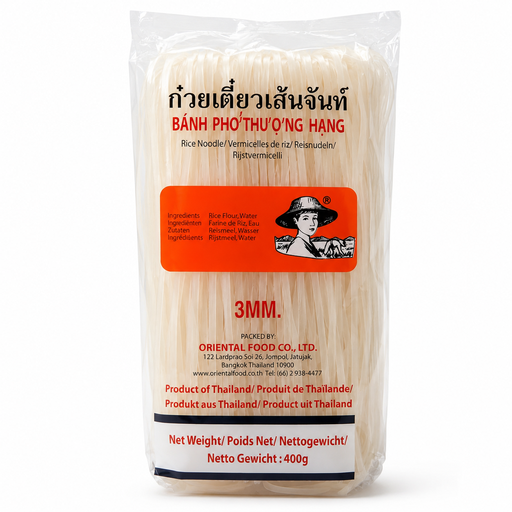
Why it suits this profile: The 3 mm medium size works well in stir-fries, soups and salads. The 400 g pack is manageable for a first purchase.
The stated width and pack size make the choice clear. The ingredient information lists rice flour and none of the 14 major EU allergens; check the packaging when it arrives.
3 mm width; 400 g pack; simple rice flour-based ingredients.
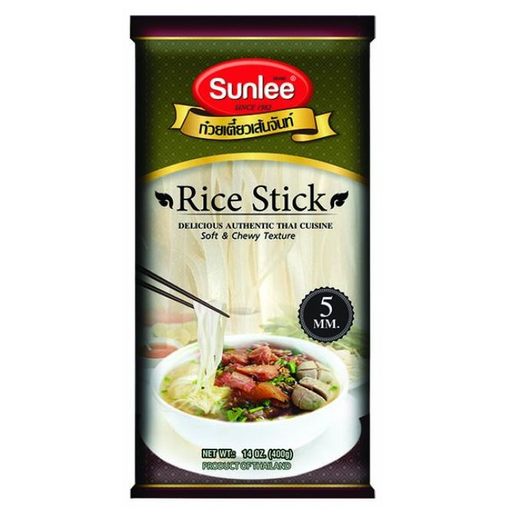
Why it suits this profile: The 5 mm thickness gives dishes such as pad thai, pho and stir-fried noodles a firmer texture. The pack is large enough for several portions.
The product information specifies the thickness, pack size and a clear cooking time of 6 to 8 minutes. This means you do not have to rely on vague marketing terms.
5 mm width; 400 g pack; according to the product description, made from 90% rice flour and 10% water.
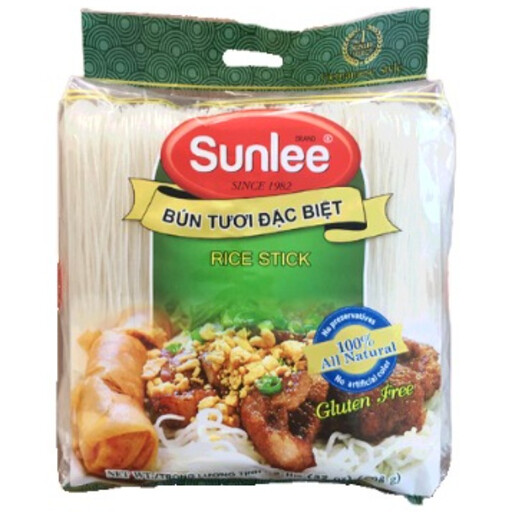
Why it suits this profile: The 1.2 mm rice sticks are designed for Vietnamese bun dishes and larger cooking sessions. The 908 g pack is suitable for families, catering businesses and trade buyers.
The thickness and shelf life are clearly stated. As the product has a shelf life of 21 days according to the information provided, it is important to plan consumption and storage in advance.
1.2 mm width; 908 g pack; suitable for bun and larger portions.
The correct cooking method varies by brand and size. Follow the instructions on the packaging, but use these basic guidelines:
Store opened dry rice noodles in a well-sealed container in a cool, dry place. Fresh noodles have different storage requirements. Always check the date and instructions on the label.
We have put together a complete, up-to-date list of products that fully meet these strict selection criteria and the applicable European safety regulations.
No. Many dry rice noodles contain no wheat according to their ingredients list, but this does not apply to every product with rice in its name. Instant rice noodles may contain wheat, soya, egg, sesame or other allergens. Read the current packaging and check the allergen information.
Pho is often made with wider, smooth noodles, such as a 4 or 5 mm variety. According to the product description, Gia Bao Rice Noodle Phở Tươi 4 mm 500 g is intended for pho and other Vietnamese soups. The desired texture still depends on the cooking time and when you add the noodles to the broth.
Dry rice noodles generally stay usable for longest when stored in a dry, cool and airtight place. The exact shelf life is stated on the packaging. Fresh varieties and instant products may have shorter or specific storage periods. If in doubt, use the packaging as your guide.
