
Vandaag of morgen in huis

Kwaliteit gegarandeerd

Welkomstaanbiedingen ontgrendelen: GRATIS bezorging | Tot 80% korting | Gratis 30 dagen JoyPlus-proefperiode
Download de app
Searching for the right rice noodles for your pho, pad thai, or a quick weeknight meal? The selection can be overwhelming. Many home cooks end up with noodles that are too mushy, too thick, or simply unsuitable for their dish. This not only leads to kitchen disappointment but also to food waste.
The problem often lies in unclear packaging and marketing jargon. Before you buy another pack of noodles that gets lost in the back of your cupboard, let's break down the two most common pitfalls and how to easily avoid them.
You don't need to be an ingredient expert to make the right choice. Just pay attention to the following three specifications on the packaging.
The width of the noodle, often indicated in millimetres (mm), determines its best use.
The ingredient list is your most important tool.
Below is a selection of rice noodles, matched to specific user profiles.
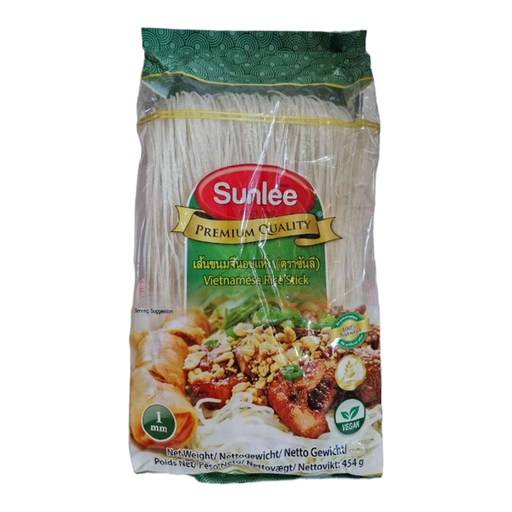
Why This Fits Their Persona: Perfect for those seeking authentic Vietnamese noodles for dishes like bún salads or fresh spring rolls. The specific 'Bun Tuoi' designation guarantees the right type for these recipes.
The clear specification (1mm Bun Tuoi) prevents you from buying the wrong thickness, ensuring your salad or spring roll has the perfect texture.
Made from 100% rice, which provides the authentic, soft texture characteristic of Vietnamese cuisine.
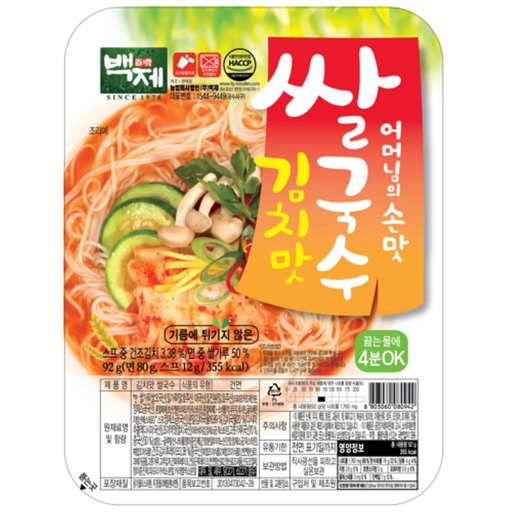
Why This Fits Their Persona: A complete, flavourful meal for students or time-crunched professionals. These Korean instant noodles are ready in minutes and require no extra ingredients.
The packaging makes it immediately clear that this is an instant meal, including seasoning. No confusion with dried noodles that require a long preparation time.
The combination of soft rice noodles with a spicy kimchi broth offers an authentic Korean taste experience with minimal effort.
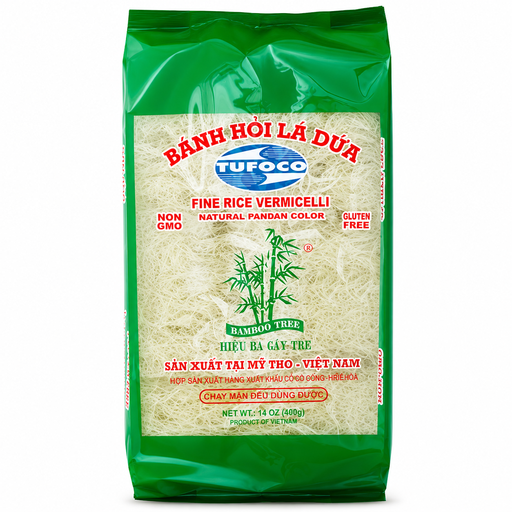
Why This Fits Their Persona: A reliable and flavourful option for anyone following a gluten-free diet. These noodles are an excellent alternative to traditional pasta in soups and salads.
The explicit "Gluten Free" claim and the ingredient list (88% rice) remove all doubt about the presence of hidden wheat.
The addition of pandan leaf provides a subtle, unique flavour and colour. The texture is light, soft, and silky after cooking.
We have compiled a complete, up-to-date list of products that fully meet these strict selection criteria and EU regulations.
The main difference is the shape. Rice vermicelli is thin and round (like spaghetti) and is often used in salads and fresh spring rolls. Rice sticks are flat and wide (like fettuccine) and form the base for stir-fry dishes like Pad Thai and soups like Pho.
The easiest method is to rinse the noodles with cold water immediately after cooking. This stops the cooking process and removes excess starch that causes stickiness. If you are not serving the noodles right away, you can toss them with a small amount of neutral oil (like sunflower or peanut oil).
No, definitely not. Many popular noodle types, such as ramen, udon, and soba (unless 100% buckwheat), are made from wheat flour and therefore contain gluten. Even products sold as "rice noodles" can contain wheat starch. If you want to buy Asian noodles for a gluten-free diet, it is essential to always check the ingredient list on the package.
