
Vandaag of morgen in huis

Kwaliteit gegarandeerd

Welkomstaanbiedingen ontgrendelen: GRATIS bezorging | Tot 80% korting | Gratis 30 dagen JoyPlus-proefperiode
Download de app
Whether you're dreaming of a steaming bowl of pho, a perfect pad thai, or a fresh noodle salad, the right rice noodles are the foundation. Yet, the Asian noodle aisle is often a maze. You pick a package, follow the instructions, and end up with a sticky, mushy mess instead of the springy noodles you envisioned. Sound familiar?
Many home cooks fall into the same traps. They waste money on noodles that aren't suited for their recipe or are filled with unnecessary additives. Let's look at the most common missteps so your next Asian meal is a guaranteed success.
You don't need to be an expert to make the right choice. It's all about checking a few key features. Focus on the following specifications to find exactly what you need for your dish.
The thickness of the noodle is crucial for the final result. Each type serves a specific purpose.
A good rice noodle starts with good rice. Always check the ingredient list.
To help you get started, we've matched several products to specific home cook personas. These choices are based on clear product specifications and intended uses.
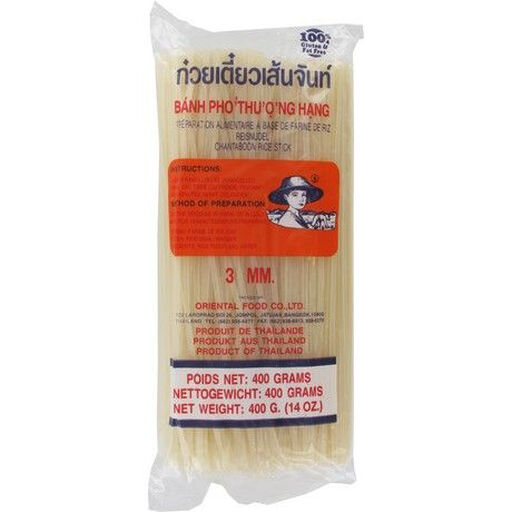
Why This Fits Their Persona: This person wants to create an authentic meal without the fuss. These noodles have the perfect all-around thickness for both a hearty pho soup and a stir-fried pad thai.
The clear 3 mm specification means you know exactly what you're getting. This avoids the "one-size-fits-all" mistake and guarantees the right texture for classic dishes.
Made with a high rice content for a pure flavour. The noodles hold their shape well in hot soup and absorb sauce perfectly.
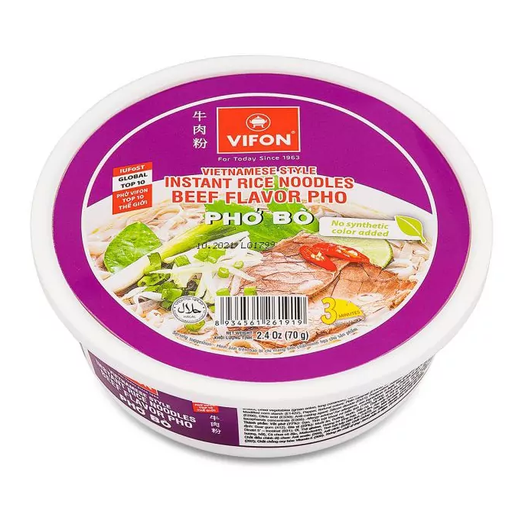
Why This Fits Their Persona: For anyone who needs a warm, flavourful meal quickly. This bowl is a complete solution: noodles, broth, oil, and vegetables, ready in three minutes.
This product bypasses the vague marketing trap. It's not "authentic" pho, but an honest, easy, and fast alternative. You know exactly what you're getting: an instant meal.
Ultimate convenience. All the components for a flavourful pho-style soup are in the bowl. All you need is boiling water.
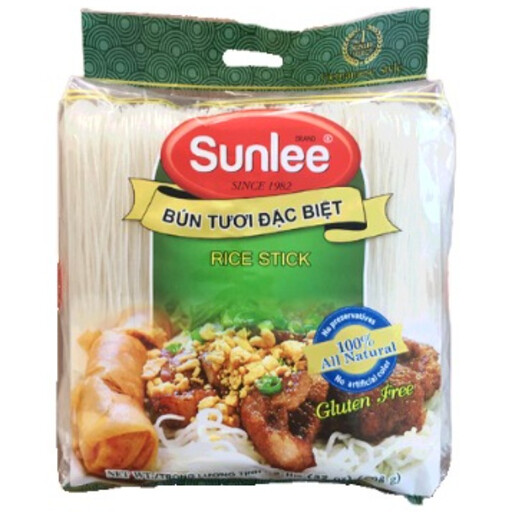
Why This Fits Their Persona: This person needs a reliable, gluten-free option. These noodles are perfect for salads, soups, and fresh spring rolls, without any worries about hidden gluten.
This product avoids the pitfall of unclear ingredients. The list is as short as it gets: Rice (100%). No starch, no fillers, no doubt.
Guaranteed gluten-free and made from pure rice. The thin 'bun' style is versatile and cooks quickly, making it ideal for various light dishes.
Want to discover more types suitable for your favourite Asian dishes? Explore our full range, carefully selected based on clear specifications.
How do I prevent my rice noodles from getting mushy? The key is not to overcook them. For most dried noodles, this method works best: first, soak them in lukewarm (not boiling) water for 15-20 minutes until they are pliable. Then, boil them for only 1-3 minutes until just cooked (al dente). Drain and immediately rinse with cold water to stop the cooking process and prevent sticking.
What is the difference between pho noodles and pad thai noodles? Functionally, they are often interchangeable. Both are flat rice sticks. Traditionally, slightly wider noodles (3-5 mm) are used for pho as they hold up well in the hot broth. A similar width is popular for pad thai because it absorbs the sauce effectively. The choice ultimately comes down to personal preference for texture.
Are all rice noodles gluten-free? No, not automatically. While rice noodles made exclusively from rice and water are naturally gluten-free noodles, it's crucial to always check the label. Some instant noodles may contain textured wheat gluten, and cross-contamination can occur in facilities that also process wheat products. Look for an explicit "gluten-free" claim on the packaging if you have celiac disease or are highly sensitive.
