
Vandaag of morgen in huis

Kwaliteit gegarandeerd

Welkomstaanbiedingen ontgrendelen: GRATIS bezorging | Tot 80% korting | Gratis 30 dagen JoyPlus-proefperiode
Download de app
Rice crackers come in many varieties: from mild Japanese crackers with wasabi to Chinese rice snacks with chilli, Sichuan pepper and mala seasoning. Yet a striking packet doesn’t always tell you enough about the flavour, texture or ingredients. If you only look out for words like “extra crispy” or “authentic taste”, you could end up with a snack that’s too salty, too spicy or goes soft too quickly.
So pay particular attention to these three common pitfalls:
Ingredients are listed in descending order by quantity. If rice or millet appears first, this generally forms the base of the cracker. In other products, maize flour, wheat flour or starch may come first.
This difference affects not only the flavour but also the texture. Millet crackers often have a firm, grainy bite. Crackers with more starch can feel lighter and more brittle. If you’re specifically looking for Chinese rice snacks, it’s worth checking the ingredients list rather than just relying on the product name.
Asian rice crackers frequently contain soya, sesame, wheat or oats. Soya sauce powder and spice blends in particular can contain wheat. If you have an allergy, always check the packaging, even if the snack appears to be rice- or millet-based.
Examples from the range:
The product page provides useful information, but the packaging remains the definitive source when recipes or allergens change.
A portion can sometimes look small, while a bag contains several servings. So compare the values per 100g. In the product information provided, energy values range from 378 kcal for Snack A Jacks Barbecue Pepper to 555 kcal for Penguin Planet Five-Spice.
Also look out for:
Nutritional values aren’t a judgement on the product, but they help you choose a snack that fits your eating occasion.
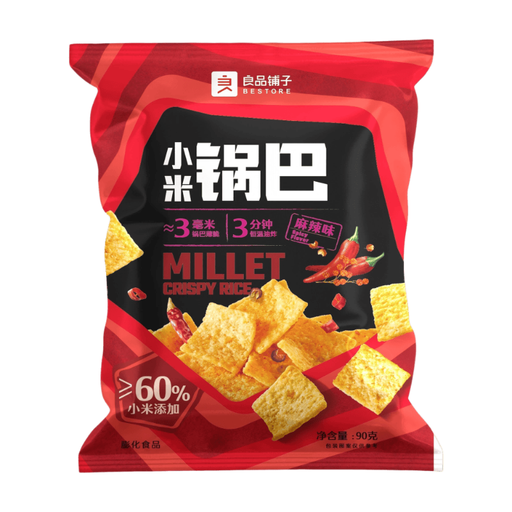
Why this fits the profile: The 90g pack is manageable if you want to try spicy rice crackers first without committing to a large stock. The snack is ready to eat straight away.
The millet content and weight are clearly stated, so you don’t have to rely solely on the flavour name. However, note that the ingredients list also includes wheat.
90g, 502 kcal and 1.0g salt per 100g according to the product information; suitable for home, office or on the go.
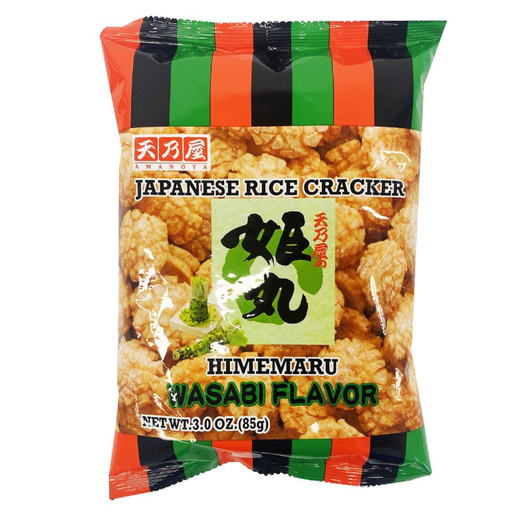
Why this fits the profile: This Japanese rice cracker combines rice with wasabi powder and chilli. It’s ideal for a snack moment with green tea or for sharing different Japanese flavours.
The flavour is specifically described as wasabi with chilli, which gives you more certainty than a general label like “spicy”.
85g, product of Japan and a clear ingredients list with rice, wasabi, chilli and soya sauce.
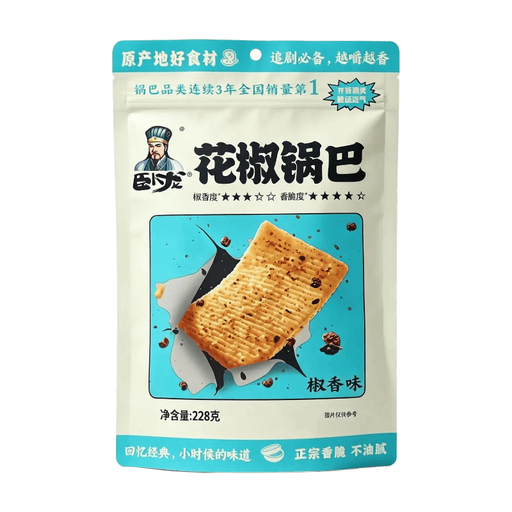
Why this fits the profile: For fans of mala flavour and Sichuan pepper, this variety offers a distinctive seasoning for a snack moment with tea, a soft drink or a tipple.
The label states a minimum of 60% millet, a minimum of 0.5% Sichuan pepper and a minimum of 0.5% sesame. So the intensity isn’t just tied to a marketing name.
228g, 543 kcal and 1.4g salt per 100g; contains soya and sesame, with possible presence of gluten.
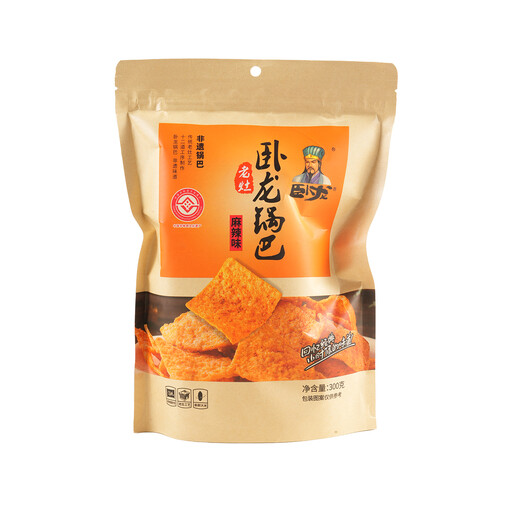
Why this fits the profile: The 300g bag is practical when several people are eating together or if you want to keep a crispy rice snack in the cupboard regularly.
The product information states a minimum of 65% millet and a non-fried, low-temperature baked process. Make sure to seal the bag well after opening to keep moisture out.
300g, ready to eat, 472 kcal and 1.1g salt per 100g; the product information lists no allergens, but mentions possible traces of gluten, soya and sesame.
We’ve put together a full, up-to-date list of products that fully meet these strict selection criteria and comply with current European safety regulations.
Store opened Asian snacks in a cool, dry cupboard, away from direct sunlight and heat sources. Seal the bag as tightly as possible. A resealable packet is handy, but a well-sealed storage container can also help keep moisture out.
Check the best-before date on the packaging. The stated quality after opening only applies when the snack is stored dry. If the product smells unusual or the packaging is damaged, do not use it.
No. Rice cakes are usually large, airy discs of puffed rice. Rice crackers are often smaller and are seasoned, baked or otherwise made crispy. The texture and the salt and fat content can therefore differ.
Look for terms like Sichuan pepper, mala, chilli and “spicy & numb”. Wo Long Sichuan Peppercorn, Wo Long Mala Rice Crust, Xuntangji Mala Xiangguo and Lai Yifen Glutinous Rice Crisps mention this flavour direction in their product information. Also check the salt content and allergens.
That depends on the packaging, humidity and storage method. For several of the products mentioned, manufacturers advise sealing the bag well and consuming the snack as soon as possible after opening. Store them dry and only take out the amount you need each time.
