
Vandaag of morgen in huis

Kwaliteit gegarandeerd

Welkomstaanbiedingen ontgrendelen: GRATIS bezorging | Tot 80% korting | Gratis 30 dagen JoyPlus-proefperiode
Download de app
Rice crackers come in many varieties: from light rice cakes and sweet rice snacks to Japanese rice crackers with soy sauce, seaweed or wasabi. Asian versions with honey, coconut, barbecue or chilli are also increasingly available online at your fingertips. This wide selection makes choosing less straightforward than it seems.
A packet can look large, yet contain only a few portions. What’s more, a label like “rice snack” doesn’t automatically mean the product is made solely from rice. Some snacks also contain maize, wheat flour, palm oil, milk ingredients or flavour enhancers. With the points below, you can compare rice crackers in a practical way.
Compare the net weight, the number of pieces and any individual sachets. A 150g bag, for example, may consist of several small portions, while a 520g packet is mainly intended for sharing. So don’t just look at the packet price — check the price per 100g too.
Individually wrapped rice crackers are also more convenient for a lunchbox, the office or on the go. A large opened bag can absorb moisture more quickly and therefore become less crunchy.
Check the ingredients list rather than just the front of the packet. With several rice cakes, the base is a combination of rice and maize. Snack A Jacks Barbecue Pepper Rice Wafers, for example, contains 47% brown rice and 46% maize. With other products, the base consists of at least 60% rice or japonica rice.
Oil, sugar, syrup, spice blends and flavourings can also make a big difference to taste and nutritional values. A sweet rice snack and a savoury rice cracker are therefore not simply interchangeable.
Asian rice crackers with soy sauce may contain soya and wheat. Rice crackers with seaweed can also contain fish ingredients. Cheese varieties often contain milk or whey powder. So always check the allergen information on the packet, especially if you have a food allergy or intolerance.
Product information online is useful for an initial comparison, but the packet at delivery remains the definitive source. Manufacturers can change recipes or labels.
First, choose between three clear flavour profiles:
Also pay attention to texture. Thin, baked rice crackers generally have a different structure to airy rice cakes. Puffed snacks made from millet or rice can feel lighter and more porous, while senbei is often firmer and harder-crunchy.
Use the table per 100g to compare products fairly. Look particularly at:
A claim like “30 kcal per cracker” only applies to the stated serving size. Check how many grams one cracker weighs and how many pieces the packet contains.
Check the best-before date, net weight and how the product is packaged. Individually wrapped snacks are practical for sharing and on the go. Loose crackers are often handier when you want to quickly fill a bowl at home.
Store rice crackers according to the label: usually in a cool, dry place away from direct sunlight. Seal an opened packet well and avoid contact with moisture. It’s best not to use a damaged packet.
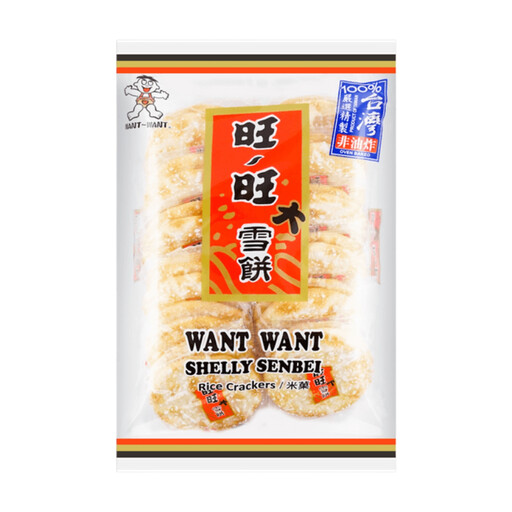
Why this fits the profile: The mildly sweet, airy rice crackers are an accessible choice if you’re trying Asian snacks for the first time. The packet contains 12 individually wrapped pieces.
The number of pieces and net weight are clearly stated, so you can better estimate the price per portion and suitability for on the go.
150g, 12 portions, ready to eat and individually wrapped.
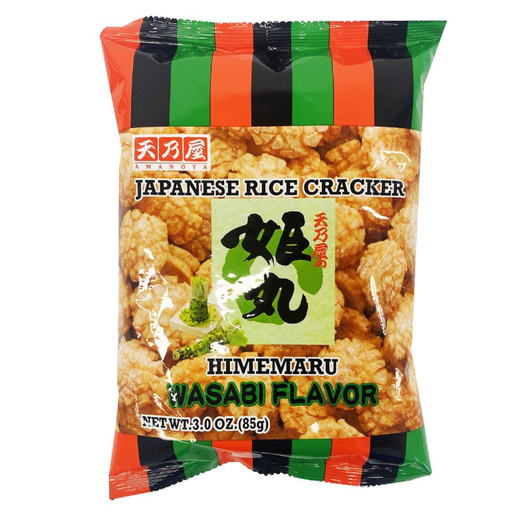
Why this fits the profile: This Japanese rice cracker combines rice with wasabi powder, chilli and soy sauce. It suits those who enjoy a distinctive, spicy snack to accompany tea.
The flavour direction is clearly described. Do check the stated soya and possible traces of wheat on the packet.
85g, product from Japan according to the product information, with wasabi and chilli.
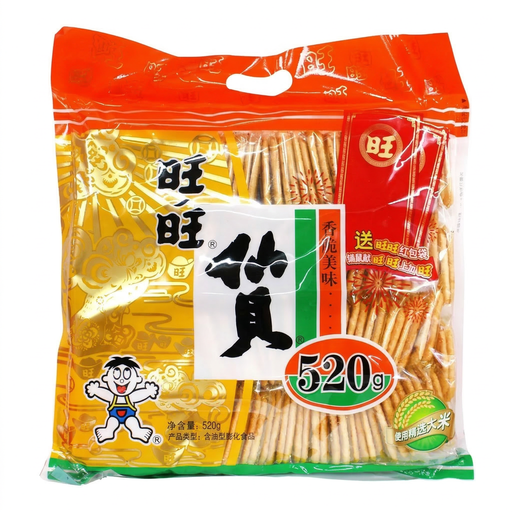
Why this fits the profile: The large packet with 88 packs is designed for sharing with family, guests or colleagues. The lightly savoury senbei flavour works well with tea and a cheeseboard.
The high number of individual packs makes the contents easy to manage and limits the problem of one large bag that quickly dries out.
520g, 88 packs, ready to eat and suitable for sharing.
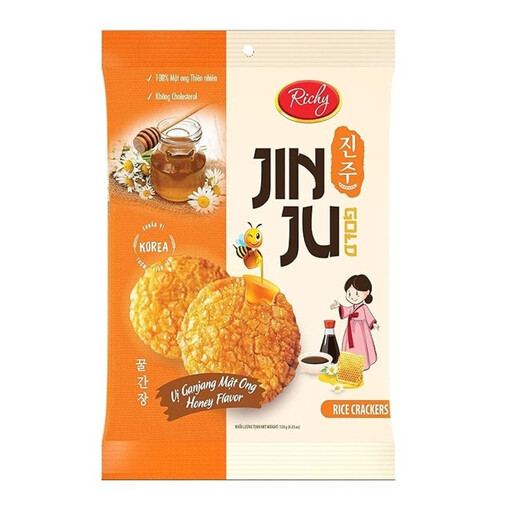
Why this fits the profile: The combination of rice, honey and soy sauce creates a sweet-savoury flavour. This snack suits a tea break or a small portion on the go.
The ingredients list states, among other things, 51.372% rice and 4.634% honey. This shows that honey is part of the flavour but not the main ingredient.
100g, honey flavour, ready to eat and clearly stated soya and wheat allergens.
We’ve put together a full, up-to-date list of products that fully meet these strict selection criteria and comply with current European safety regulations.
Rice crackers are usually smaller, crunchy snacks with a flavour coating such as soy sauce, sugar, seaweed or spices. Rice cakes are often larger and airier. The terms aren’t used consistently everywhere, so check the ingredients, size and weight per piece.
Keep them cool and dry, seal the packet well and keep moisture away. Individually wrapped rice snacks are easier to keep fresh. Ideally, use an opened packet within the period stated on the label and watch for changes in smell, taste or crunchiness.
That depends on the ingredients. Soy sauce often contains soya and wheat, cheese rice crackers usually contain milk, and some seaweed varieties contain fish ingredients. So always read the current allergen information on the packet before buying or serving a product.
