
Vandaag of morgen in huis

Kwaliteit gegarandeerd

Welkomstaanbiedingen ontgrendelen: GRATIS bezorging | Tot 80% korting | Gratis 30 dagen JoyPlus-proefperiode
Download de app
Rice crackers come in many varieties: from Japanese rice crackers with seaweed or wasabi to rice cakes with barbecue, cheese, chocolate or caramel flavour. With such a wide selection, it’s not always easy to choose. A large pack isn’t automatically better value, for example, and an airy rice cake has a very different texture to a compact Asian rice snack.
These practical selection tips will help you see at a glance which rice crackers suit your occasion: whether you’re enjoying them with tea, grabbing a snack on the go, or sharing them at a get-together.
A 500 g bag might look appealing, but always check the price per 100 g and the number of servings. Individually wrapped rice snacks tend to stay crunchier for longer and are handy for sharing. Loose crackers can absorb moisture more quickly once opened.
Rice cakes feel light and airy, but their nutritional values vary from one variant to another. So always compare the table per 100 g. In our range, for example, values range from around 378 to 552 kcal per 100 g. The sugar and salt content can also vary significantly.
A product with chocolate or caramel flavour usually contains more sugar than a plain or savoury option. That doesn’t make it unsuitable, but it is useful information for making an informed choice.
“Barbecue”, “seaweed” and “cheese” don’t tell you exactly which ingredients have been used. A barbecue seasoning, for instance, may contain milk derivatives. Japanese rice crackers or rice snacks with soy sauce often contain soya and wheat. If you have an allergy, always check the packaging and the current product information.
There’s a practical difference between rice crackers, rice cakes and puffed rice snacks:
Also look out for the description “baked” or “puffed”. This gives you a clue about texture, but it doesn’t tell you anything about the total fat or sugar content.
Choose based on when you plan to eat the snack:
For flavoured snacks, always check the ingredients list. This will show you the proportion of rice, added sugars, oil, flavour enhancers and allergens.
A pack of 70 to 166 g is practical for home or on the go. Larger packs, such as 303 g or 520 g, are better suited to families or group snacking. After receiving your order, check the best-before date on the packaging. Store rice crackers in a dry, cool place and keep them well sealed. Moisture is a major cause of a soft, limp texture.
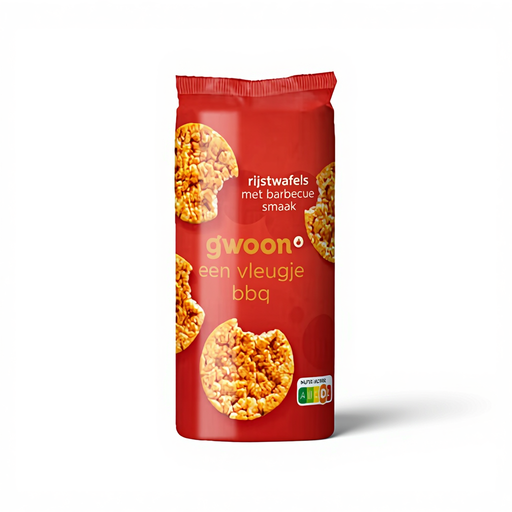
Why this fits the profile: A straightforward pack of 12 with a familiar barbecue flavour makes this an easy choice for a first taste of savoury rice cakes.
The number of pieces and nutritional values are clearly stated. Per 100 g, this variant contains 439 kcal, 5 g sugar and 1.3 g salt.
12 servings, brown rice as the main ingredient and a clear barbecue seasoning blend. Contains milk.
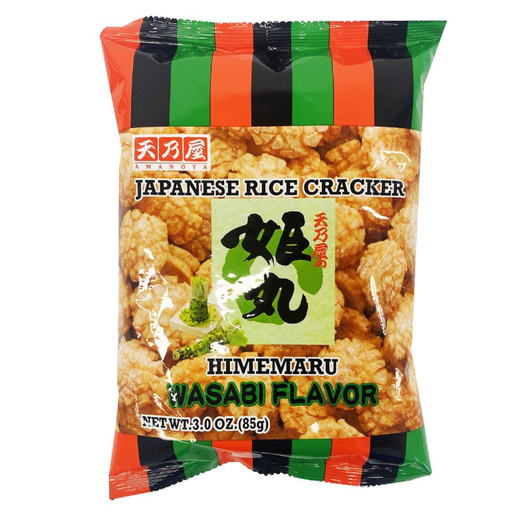
Why this fits the profile: For those looking for a distinctive Japanese rice cracker with wasabi, chilli and a firm, crunchy bite.
The flavour direction is clearly described: wasabi, chilli and soy sauce. So you know exactly what to expect, rather than relying on the product name alone.
Product from Japan, 85 g and 450 kcal per 100 g according to the product information. Contains soya; check the packaging for possible traces of wheat.
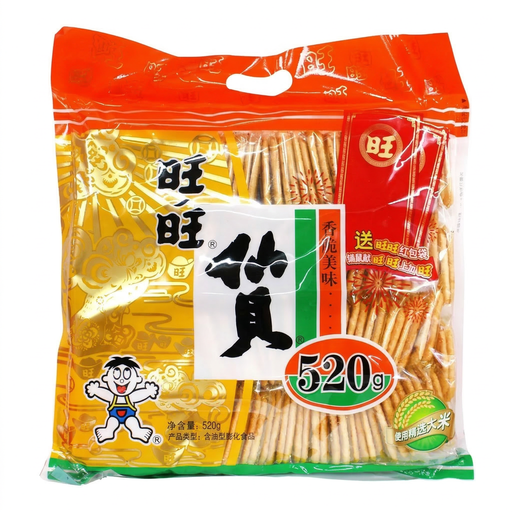
Why this fits the profile: A large stock with 88 individual packs is practical for families, offices, visitors or regular snacking occasions.
The portions are individually wrapped, so the whole stock isn’t exposed to air and moisture at once.
520 g total weight, senbei style and ideal for sharing. Contains soya and gluten from wheat; salt content is 1.88 g per 100 g.
For a sweet snacking moment, Bin Bin Rice Crackers with Sugar, Richy Sweet Rice Cracker and Snack a Jacks Smooth Caramel Rice Waffles are logical options to compare. If you prefer savoury, you can look at rice crackers with seaweed, cheese, barbecue or wasabi.
With chocolate or caramel products, pay extra attention to the sugar content. According to the product information, Snack a Jacks Rice Wafers Choc Chip contain 23 g of sugar per 100 g, while the cheese variant contains 2.4 g. So the choice depends on taste, portion size and when you plan to eat the snack.
We’ve put together a full, up-to-date list of products that fully meet these strict selection criteria and comply with current European safety regulations.
No. Rice cakes are usually light and round, whereas rice crackers are often more compact, harder and more strongly seasoned. The terms are sometimes used interchangeably in online shops, so check the product photo, weight and description.
Keep them dry and seal the packaging well. A resealable bag or an airtight container helps maintain their crunchy texture. Discard the product if the packaging is damaged or the taste and smell have clearly changed.
Compare the net weight, the price per 100 g, the number of servings, the ingredients list and the allergens. Also check the nutritional values per 100 g. This way, you can fairly compare a small bag of Japanese rice crackers with a large pack of Asian snacks.
