
Vandaag of morgen in huis

Kwaliteit gegarandeerd

Welkomstaanbiedingen ontgrendelen: GRATIS bezorging | Tot 80% korting | Gratis 30 dagen JoyPlus-proefperiode
Download de app
Rice crackers come in many varieties: from sweet rice cakes with honey or coconut to spicy rice crackers with Sichuan pepper and Chinese rice snacks with seaweed. With such a wide range, choosing isn’t always straightforward. A striking packet, for example, tells you little about the ingredients, portion size or allergens.
That’s why it’s worth paying attention to three common pitfalls:
With the right checks, you’ll find it easier to pick a rice snack for tea time, for sharing, or for a spicy treat.
First, look at the ingredients list. Products made with rice, glutinous rice or rice flour often have a different texture to snacks based on starch, maize or millet. A glutinous rice cracker is usually compact and brittle, while puffed snacks can feel lighter.
Also pay attention to the mandatory allergen labelling. Among the range on offer, you’ll find these allergens:
The warning “may contain traces” is also relevant if you have allergies. Always read the label on the packet; ingredients and product information can change.
Choose the flavour based on when you’ll be eating it. Spicy rice crackers with chilli and Sichuan pepper suit those who enjoy a fragrant, slightly numbing taste. For a more relaxed snack, sweet rice crackers with honey, sugar or coconut are a better fit.
The nutritional values per 100g help you make a fair comparison. Among the products available, the salt content ranges from 0.6g to 4g per 100g, for example. The sugar content also varies widely. According to the product information, one coconut-based product contains 25g of sugar per 100g, while some savoury varieties list no sugar at all.
Bear in mind that a portion of 30g or 40g is not the same as the value per 100g. Rice crackers are ready to eat and don’t need any preparation, which means you can easily eat more than you planned.
For one person or on the go, bags of around 60g to 100g are easy to manage. The Lai Yifen varieties at 98g and the Want Want Mini Crispy Bites at 60g are examples of compact packs.
A size of 135g to 200g works well for home, the office or a small group. If you regularly share, you could look at a 303g pack or the WANT WANT Senbei at 520g with 88 individual packets. Individually wrapped snacks are also more convenient when the bag isn’t finished in one go.
Store opened rice crackers according to the product instructions: cool, dry and well sealed, away from moisture and direct sunlight.
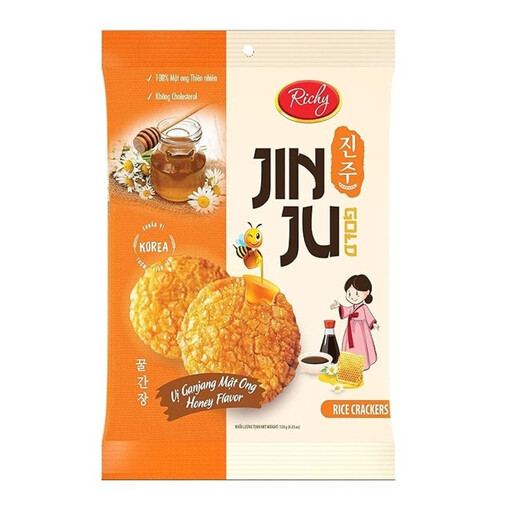
Why this suits the profile: The 100g size is easy to manage for anyone trying Asian snacks for the first time. The honey flavour combines a sweet taste with soy sauce and works well as a snack or with tea.
The ingredients and nutritional values are clearly stated. However, note that this product contains soya and wheat, despite the rice base.
100g, honey flavour, 51.372% rice and ready to eat.
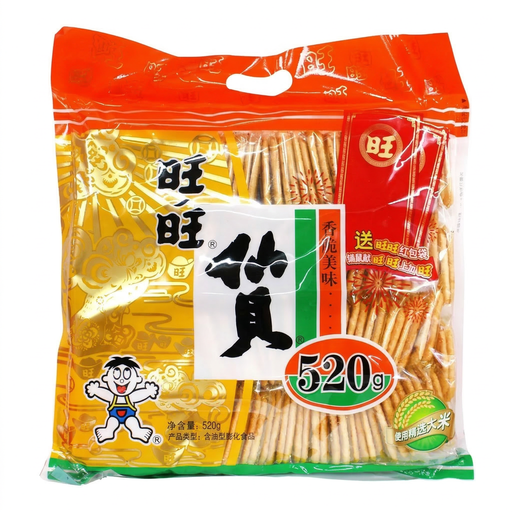
Why this suits the profile: The large pack with 88 individual portions is designed for sharing, regular use and tea-time snacks. The product description mentions a Japanese style, but the product comes from China.
The individual wrappers limit exposure to moisture after opening the outer bag.
520g, 88 portions, rice base and a lightly savoury profile.
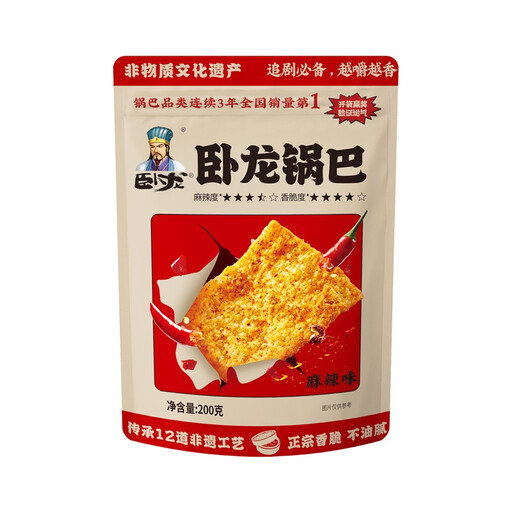
Why this suits the profile: This Chinese rice snack is aimed at fans of chilli and Sichuan pepper. The 200g bag is ideal for snacking at home, sharing, or keeping a stash for several occasions.
The flavour is specifically described as chilli and Sichuan pepper, so you’re not relying on a vague label like “spicy”.
200g, 65% starch base, 0g sugar per 100g and ready to eat.
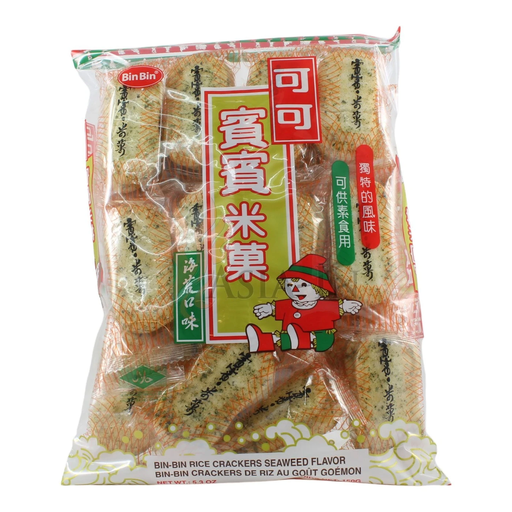
Why this suits the profile: The combination of rice, soy sauce powder and 0.8% seaweed is ideal for anyone looking for a savoury Asian snack without a strong chilli flavour.
The amount of seaweed is listed in the ingredients. Do check for the presence of wheat and soya if you have an allergy.
150g, 0.8% seaweed, 0.6g salt per 100g and ready to eat.
We’ve put together a full, up-to-date list of products that fully meet these strict selection criteria and comply with current European safety regulations.
That depends on the flavour. Lightly sweet varieties with honey, sugar or coconut go well with tea. Savoury senbei, seaweed rice crackers and varieties with five-spice blend work well when you prefer a salty snack with a neutral drink.
Keep the bag cool and dry, and seal it tightly. Moisture quickly makes crispy rice cakes go soft. Individually wrapped rice crackers are practical when you want to take small portions to the office, on the go or in a lunchbox.
Chinese rice snacks often have spicy flavours such as chilli, Sichuan pepper or five-spice blend. Japanese rice crackers, often called senbei, are usually described as lightly savoury and crunchy. Always check the country of origin: “Japanese style” doesn’t automatically mean it was made in Japan.
