
Vandaag of morgen in huis

Kwaliteit gegarandeerd

Welkomstaanbiedingen ontgrendelen: GRATIS bezorging | Tot 80% korting | Gratis 30 dagen JoyPlus-proefperiode
Download de app
Are you a bit tired of the usual peanuts and potato chips? Then the world of Asian rice crackers is an excellent next step. But anyone searching online for rice crackers or Asian snacks will quickly notice that the selection is enormous. The packaging promises crunchy, flavorful experiences, but the reality can sometimes be a disappointment. As a Joybuy Product Recommendation Officer, I'm here to help you see through the marketing hype and make a choice that suits your taste.
Before you fill your shopping cart, here are a few common pitfalls:
rice snacks are largely made of corn or wheat flour. This isn't necessarily bad, but it results in a very different texture and flavor than a cracker made primarily from rice. You expect a firm, crunchy bite and get a light, puffed snack instead.spicy snack from Sichuan is a world away from one dusted with paprika powder.seaweed snacks.To avoid a bad purchase, pay attention to a few concrete specifications on the packaging or in the product description. This will help ensure you get what you expect.
The texture of a cracker is determined by its main ingredient. Here's what you need to know:
Japanese crackers (senbei) and many Chinese snacks. It provides a hard, satisfying crunch. The flavor is neutral, allowing the seasonings to shine through.rice crackers.So, always check the ingredients list. If rice or millet is listed first, you're on the right track for an authentic experience.
The intensity of the flavor depends on how it's been added.
spicy snack uses specific types of peppers, like Sichuan pepper, instead of a generic "chili powder."seaweed snacks? Check if there are actual pieces of dried seaweed (nori) included. This provides a much richer and more authentic flavor than powder alone.A clear specification of the flavorings, such as "Sichuan peppercorns" or "roasted seaweed," is a sign of a quality product.
To get you started, we've highlighted a few options that cater to different flavor profiles. These choices are based on their clear product specifications.
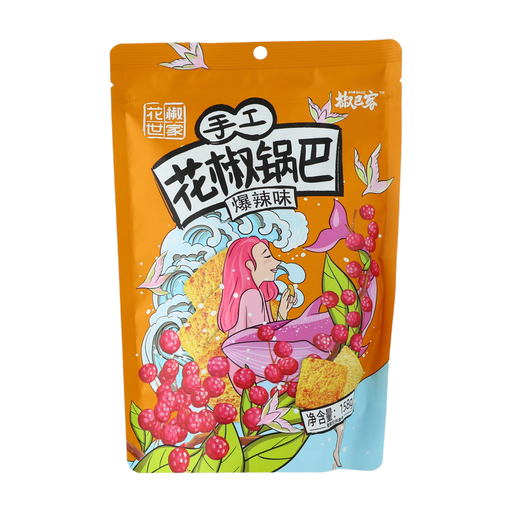
Why This Fits Their Persona: Ideal for those seeking the authentic 'mala' (spicy and numbing) sensation of Sichuan cuisine. This isn't just another spicy snack; it's an experience for lovers of intense flavors.
This product avoids the pitfall of vague flavor descriptions. The name "Sichuan Peppercorn Extra Spicy" and the ingredients list with Sichuan peppercorn flakes are specific and manage expectations: this is genuinely spicy.
Offers a unique, tingling spiciness rarely found in European snacks. The base of rice and soybeans provides a light, crispy texture.
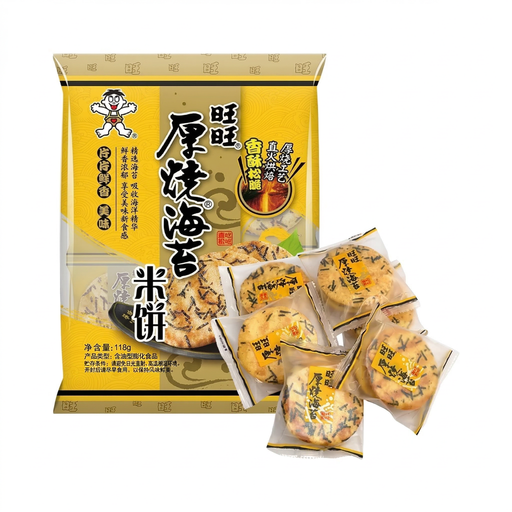
Why This Fits Their Persona: Perfect for those who love the classic savory flavor of Japanese crackers. The combination of seaweed, soy sauce, and a hint of fish flavor (bonito) is a pure umami bomb. Excellent as an appetizer or bar snack.
This product sidesteps the "packaging vs. content" pitfall. The ingredients list specifies 1.6% seaweed and bonito extract, indicating that the flavor comes from real components and not just a layer of powder.
The base of 70% rice ensures an authentic, firm crunch. The individual packs (6 count) keep the crackers fresh and make them easy to take on the go.
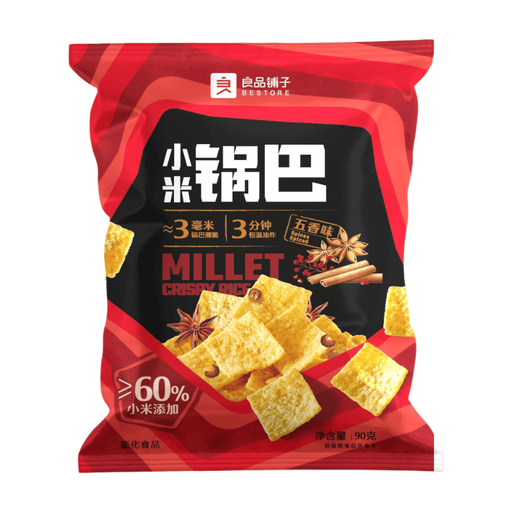
Why This Fits Their Persona: For those seeking a complex but not overpowering flavor. The classic five-spice blend offers an aromatic and savory experience that remains interesting with every bite.
This product avoids the "rice illusion." It clearly states that it's made from millet, which promises a different texture than a standard rice cracker. The flavor is specifically described as "Five-spice," not a vague term.
The base of millet and sesame provides a layered, brittle texture. The spice blend (including pepper, cinnamon, and fennel) leaves a deep, savory aftertaste.
We've compiled a complete, up-to-date list of products that meet these selection criteria. Discover more flavors and textures that match your preferences.
Although there are many variations, a general distinction can be made. Japanese crackers (like senbei or arare) are often baked or grilled and flavored with soy sauce, mirin, and seaweed. They typically have a hard, crunchy texture. When you buy Chinese snacks, you're more likely to find crackers that are fried or puffed, with a wider range of flavors, including more complex and spicy blends like five-spice powder or Sichuan pepper.
Crispiness is key. To prevent your rice snacks from going soft, it's best to seal the opened bag tightly with a clip. Even better, transfer the contents to an airtight container. Store them in a cool, dry place, away from direct sunlight.
That depends entirely on the specific product and its preparation method. Some rice crackers are baked and contain less fat, while others are fried and can be comparable to potato chips in terms of calories and fat content. The best approach is to check the nutritional information on the packaging. Pay close attention to the fat and sodium content per 100 grams to make an informed choice.
