
Large-group facilitator
You want to prepare one batch for everyone, so you compare the amount of dry rice per batch, the available workspace and the power supply. HENDI and Tefal provide capacity information for specific models.


Choose a rice cooker based on the amount of dry rice you need to cook each time: a compact model suits individual practice stations, while a larger cooker is designed for a batch shared by the whole group. Also check the jasmine rice instructions for the exact model you choose, and don’t assume that a keep-warm setting means the rice is being held at a safe temperature.
You want to prepare one batch for everyone, so you compare the amount of dry rice per batch, the available workspace and the power supply. HENDI and Tefal provide capacity information for specific models.
You want to show how rice programmes and water quantities affect the cooking process. Reishunger’s own instructions vary by model, so it’s important to use the right model manual.
You need to coordinate cooking and serving, and distinguish between a keep-warm function and safe storage. The NVWA and Voedingscentrum provide guidance on food safety and storage.
First decide how much dry rice you need for each batch and whether participants will cook together or practise at individual stations. Then compare the instructions for each model and plan how to serve the rice safely.
| What to consider | What should you check? | Who is this important for? |
|---|---|---|
| Amount per batch | Work out how much dry rice you need, then check the measuring cup and maximum fill level for the model. HENDI lists model 240403 as having capacity for 30 measuring cups of uncooked rice. | If I want to make one batch for a group, I need to match the dry-rice capacity to my workshop. Around 31% of consumers focus primarily on batch capacity. |
| Cooking jasmine rice | Follow the instructions for your chosen model. Reishunger’s own table gives a ratio of 1 part rice to 1.25 parts water for jasmine rice in the digital model, and 1 to 1.5 for the basic model. | If I want to demonstrate how to cook jasmine rice during the class, I need instructions that match the cooker I’m using. Around 25% of consumers prioritise cooking jasmine rice. |
| Serving and storage | Plan cooking and serving times. For commercial food preparation, check the applicable hygiene code and the actual temperature; the NVWA specifies a minimum of 60 °C for holding food in a hot cupboard or bain-marie. | When participants aren’t eating at the same time, I want to manage the time between cooking and serving. Around 25% of consumers prioritise serving arrangements. |
| Space at each cooking station | Compare the dimensions with the available workspace, and check the capacity and cleaning instructions for each model. A compact cooker may suit each station, but a larger group might need several cooking rounds. | If participants are cooking independently at different stations, I want to be able to distribute the appliances and workspace practically. Around 19% of consumers focus primarily on a compact class setup. |
Manufacturers describe capacity in different ways. So a capacity given in litres doesn’t, by itself, tell you how much dry rice you can cook per batch for your workshop.
First work out how much dry rice you need, then check the measuring cup and maximum fill level for the model you’ve chosen.
A test batch takes extra preparation time.
A household rice cooker for a medium-sized shared batch.
A choice of basic and digital models for lessons that include rice settings.
A compact cooker for small practice stations.
A larger household rice cooker for workshops that need a bigger batch.
These Joybuy product picks are intended for cooking rice during a cooking workshop. Compare the stated capacity with the amount of dry rice you need per batch; a keep-warm function doesn’t prove that the rice is being held at a safe temperature.
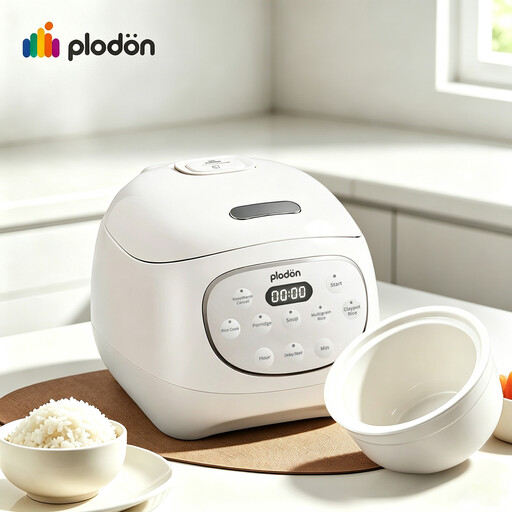 No image available
Suitable for a small cooking batch for 1–2 people.
Capacity 1,2 l; 300 W; ceramic inner pot; delayed start and automatic keep-warm for up to 8 hours.
The stated capacity is intended for 1–2 people.
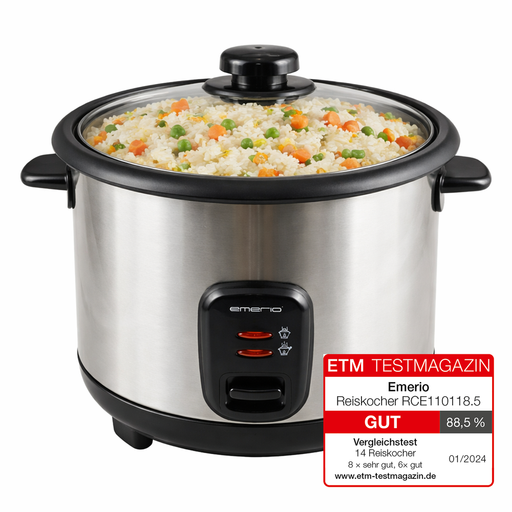 No image available
May suit a small household cooking batch if the stated capacity meets your needs.
Capacity 1,5 l; the product name lists a keep-warm function.
The product description specifies indoor household use only, not commercial use.
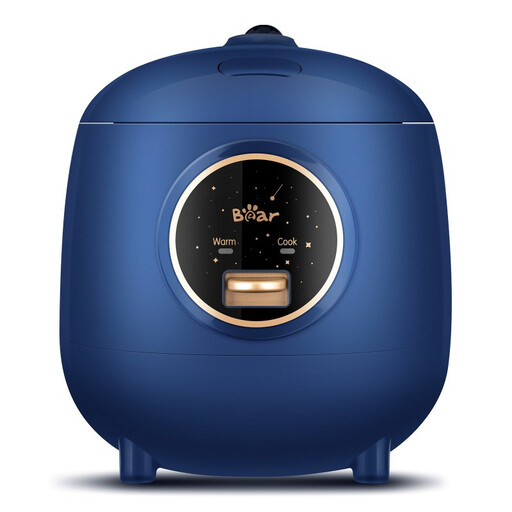 No image available
The stated capacity is intended for a small cooking batch for one or two people.
Capacity 1,2 l; power 200–238 W; one-button operation, automatic keep-warm and a non-stick inner pot.
According to the product description, the appliance must cool for more than 15 minutes before the next cooking cycle. The keep-warm function doesn’t prove that the rice will stay at a safe temperature in your setup.
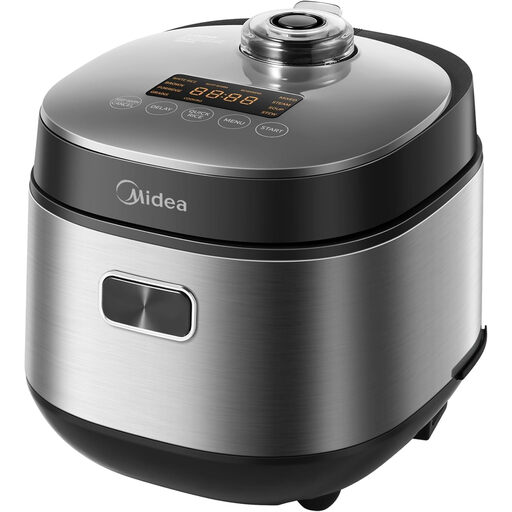 No image available
The stated capacity and functions may help you plan a small shared cooking batch.
Capacity 2 l; the product name lists 4 cups, 9 functions, a timer and a keep-warm function.
According to the product description, the capacity is intended for 1–3 people. A keep-warm function doesn’t prove that the rice will stay at a safe temperature in your setup.
 No image available
Compare the stated capacity with the amount of rice you want to cook per workshop batch.
The product name lists a capacity of 1,6 l of rice and 4 l of water.
No, follow the instructions for the specific model. Reishunger’s own table gives a ratio of 1 part rice to 1.25 parts water for jasmine rice in the digital rice cooker, and 1 to 1.5 for the basic model. These ratios don’t automatically apply to other brands.
Don’t leave cooked rice out of the fridge for more than 2 hours. Voedingscentrum advises cooling leftovers quickly and storing them covered in the fridge. It warns about Bacillus cereus in rice that has been kept for too long or not chilled sufficiently.
No, the name of the function alone doesn’t show that the rice will stay at a safe temperature. For commercial food preparation, the NVWA sets out HACCP requirements and a minimum temperature of 60 °C for holding food in a hot cupboard or bain-marie. Check the applicable hygiene code and measure the actual temperature. This doesn’t confirm that a specific rice cooker will reach that temperature in your conditions of use.
Not simply because it’s a workshop. The NVWA says that food businesses must have a food safety plan or follow a hygiene code. So assess whether the organiser and activity fall under those commercial rules.
According to the Dutch government, there’s no fixed statutory warranty period in the Netherlands, but a product must be fit for purpose. If the product doesn’t meet the terms of the agreement, the seller must provide a solution; any manufacturer’s or additional warranty offered doesn’t replace this legal right.